large house plants delivered uk

Best Large House Plants

What are the best large house plants?

Whether you’re looking for a tall, thin indoor plant to fit into the corner of your room or a big bushy palm to fill out a vacant space; finding the best large house plant for your space and taste can prove challenging. That’s why we’ve listed what we consider to be the best large house plants, to breathe life into your home.

Large house plants are a great way to transform the decor and atmosphere of your home, with little effort and without spending a fortune. So put the paint brush away, find the perfect tall indoor plant for your home or the perfect bushy palm and click away.


So what are the best large house plants to choose from?

Our 14 Best Large House Plants

Bird of Paradise Plant

Strelitzia Nicolai

At the top of our list is the Bird of Paradise Plant. This stunning tropical indoor plant transforms any space with it’s broad waxy leaves. The foliage is so unique to the plants we have in Europe it will transport your mind far away overseas to a land of sun, fun and sunshine. Are there any better large house plants to kick off this list?

Kentia Palm

Howea Forsteriana

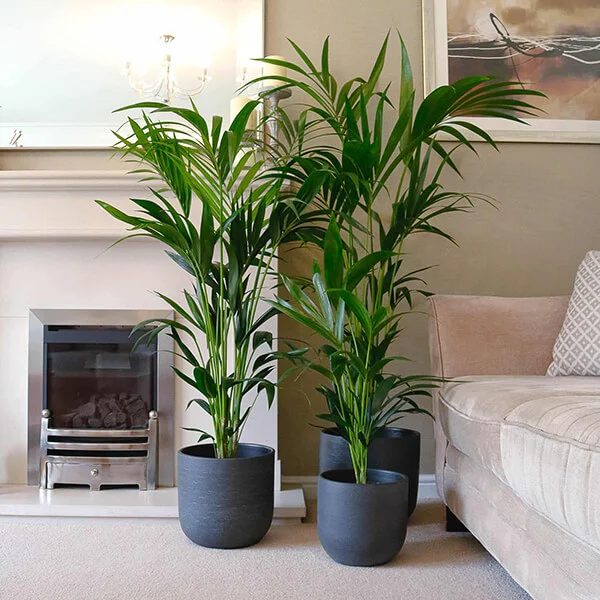
Coming in at number 2 in our list of best large house plants is the Kentia Palm. Known for surviving in low light conditions – it’s huge plumes of foliage extend out and can cast beautiful interesting shadows in the evening if placed near a lamp. If you’re looking for large house plants that can survive in dark rooms, then the Kentia is definitely an option for you!

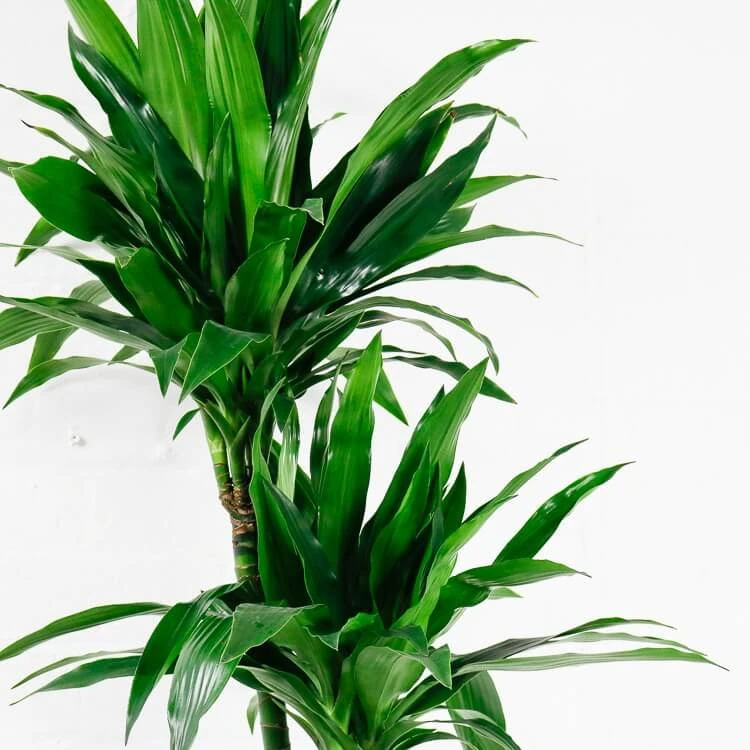
Janet Craig

Dracaena Fragrans

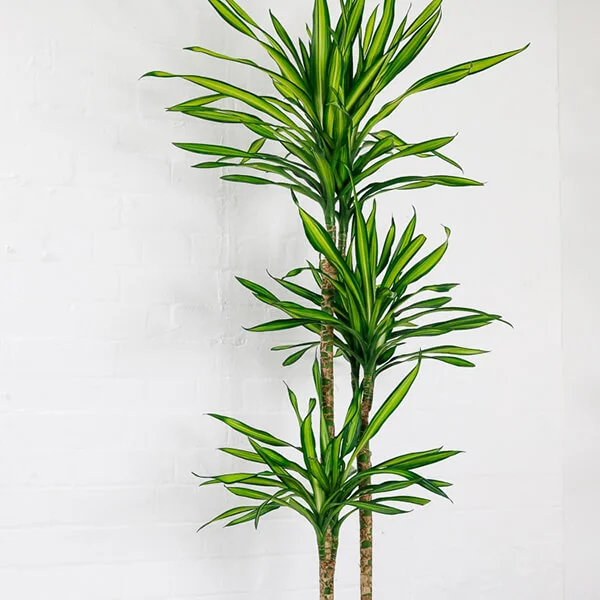
The tall, stunning dracaena comes highly listed on our 10 best large house plants – it’s talll, slim nature means it can slink into almost any corner to break the harsh square lines of a room and it can easily survive in low light conditions. These large house plants are perfect in an office or workspace!

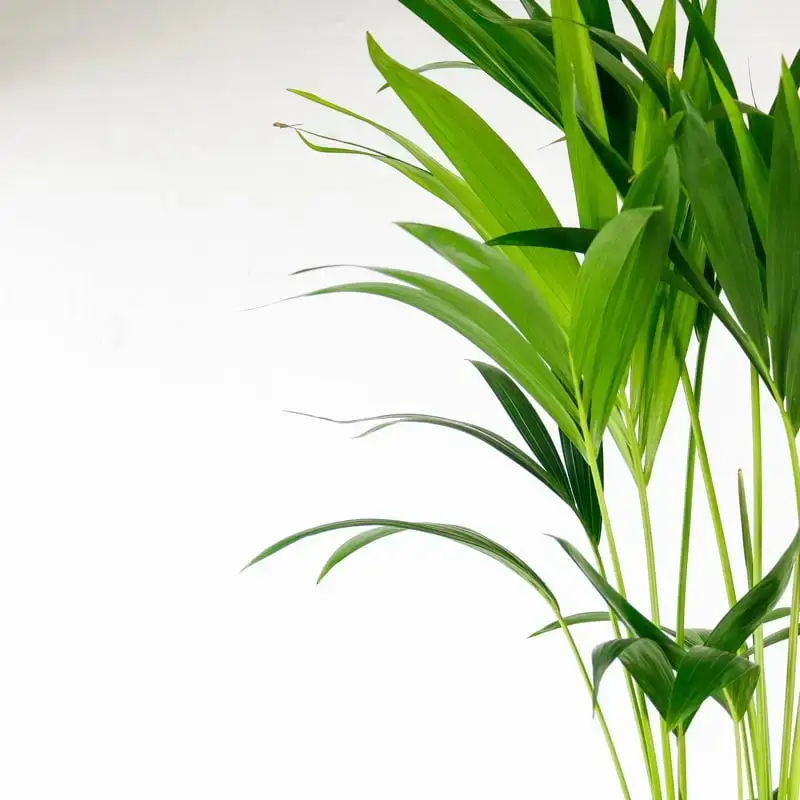
Areca Palm

Dypsis Lutescens

One of our most popular large house plants is the Areca Palm. Known as a powerful air purifying plant, the large Areca Palm can be even more effective at cleaning your indoor air, as well as adding vast amounts of stunning greenery to your home with just the click of a button.

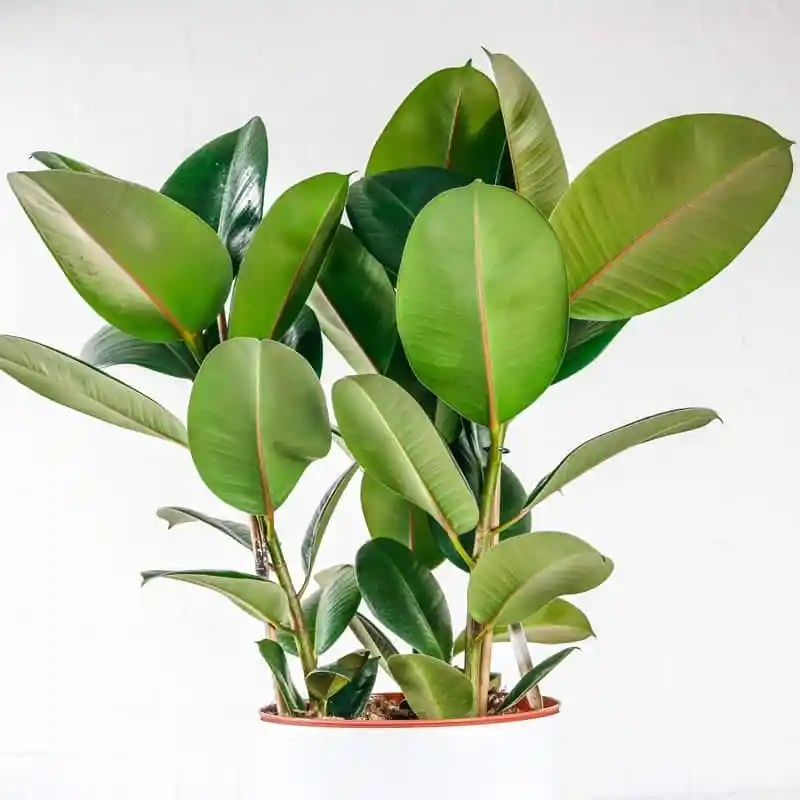
Rubber Plant

Ficus Elastica

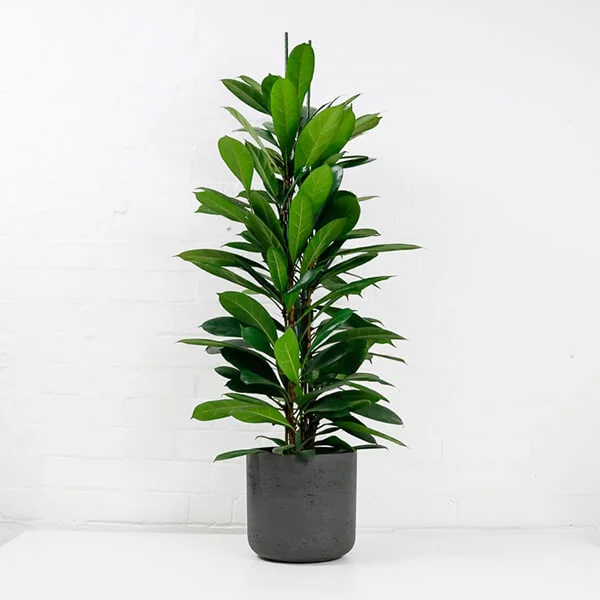
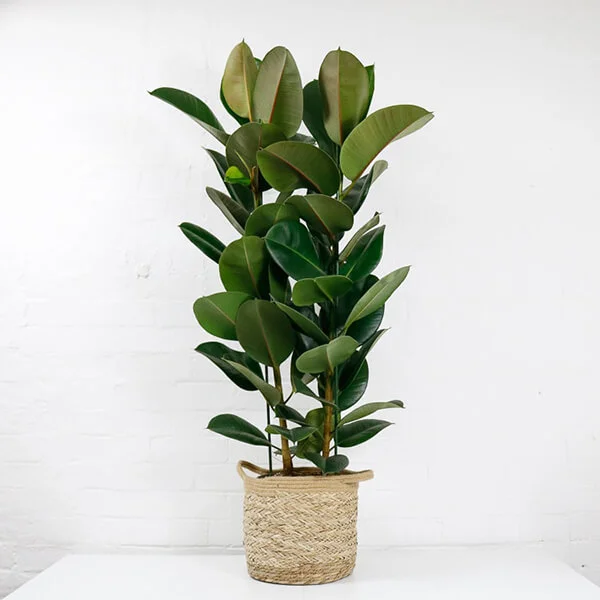
With its thick large leaves, the Rubber Plant is perfect for those needing an easy-care showstopper! Native to a number of regions around the equator, this rugged indoor plant is perfect for those who are not so green fingered.

Dragon Tree

Dracaena Marginata

This tall and slender palm is sure to bring charm and act as a great showstopper in your home. Available in 4 sizes, the largest at 150cm! Bring the beach to your home with this exotic palm.

Fiddle Leaf Fig

Ficus Lyrata

The large broad leaves of the fiddle leaf fig, are violin shaped with thick deep veins running throughout the foliage. A very popular choice as a large house plant and it’s easy to see why. It easily transforms any home it resides in with its huge characteristic leaves.

Our largest Fiddle Leaf Fig measures at 150cm tall with a whopping 34cm pot! This is a real statement of a large indoor house plant.

Weeping Fig

Ficus Benjamina

Another ficus plant which has made it into our best large house plants is the Weeping Fig. The beautiful oval leaves are delicate and come in a variety of colours; the Golden King has bright green variegated leaves and the Danielle has deep, dark leaves which exude opulence.

Money Tree

Pachira Aquatica

The large braided Money Tree is a beauty to behold. As well as bringing good luck and fortune to your home it brings tonnes of charm. This fast-growing large house plant is a great choice if you’re looking for something a little rare more rare and out of the ordinary.

African Fig Tree

Ficus Cyathistipula

Ficus Cyathistipula, the African Fig Tree, is a species of fig tree from the tropical forests of Africa. Able to grow up to heights of 5 metres, this shrub-like fig tree is a great choice for someone looking for a plant with huge growth potential.

Yucca

Yucca Elephantipes

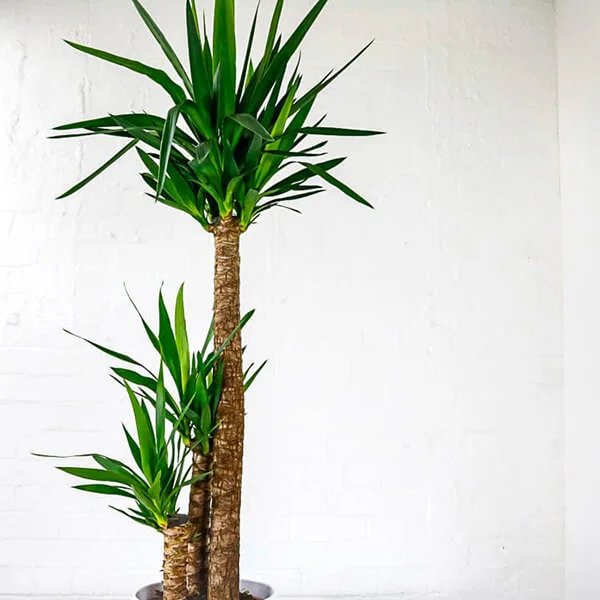
A tall, strong and rugged plant which adds a tropical charm. The slender nature of the larger Yukka plant means it will work really well in a warm, sunny corner. We sell this large house plant at 120cm+ so you can add an instant wow factor to your home.

Banyan Fig

Ficus Roy Benghalensis

The Indian Banyan Fig also known as a Ficus Roy can grow upto heights of 15m+ so if you’re looking to grow the largest house plant you can – the Banyan Fig would be a great choice. The large, soft, furry leaves of the banyan are beautiful and we love this unique fig plant. This is one of our favourite large house plants. 

Swiss Cheese Plant

Monstera Deliciosa

Monstera Deliciosa (aka Swiss Cheese Plant) is a tropical climbing plant named appropriately for the holes in its leaves. This huge, luscious, climbing vine is one of the most popular houseplants of all time, with its large, broad fleshy leaves, which ooze tropical opulence.

Umbrella Plant

Schefflera Aboricola

The large umbrella plant is a great choice for the home. Its distinctive, oval leaves extend out in a fan-shaped manner. This houseplant has a delicate, chaming nature and due to being tall and slender it fits well in many spaces.

Why invest in large house plants?

Making home improvements can often be expensive & time consuming. Many of us don’t have the time, experience or money to completely redecorate our homes. But, investing in a house plant can be a cheap way to quickly transform your space without spending a fortune! Not only that, but you can buy large house plants online and get them delivered straight to your door.

Big leaf plants provide interesting natural structures to your home and bring us closer to nature. The large green leaves of a houseplant bring colour and provide superb colour contrast against painted walls. But the benefits aren’t just aesthetic!

Large indoor house plants bring us closer to nature which provides us with many health benefits. It has been scientifically proven to lower stress and improve indoor air quality; making your house a healthier place to live! In the list above, Areca Palms, Parlour Palms, and Birds of Paradise are all air purifying house plants. This means harmful toxins such as Xylene, Formaldehyde, and Toluene are absorbed by your plant and removed from your home. With one of these indoor plants, you may literally be breathing easier!

Struggling to work out where a large indoor houseplant would look good in your home? Why not have a look on our Instagram or Pinterest for some inspiration?

What large house plant would look good in my home?

When it comes to large indoor plants, the main point for consideration is going to be your desired size of foliage. Whilst the Kentia Palm and Corn Plant are tall and relatively slim, Weeping Figs and Areca Palms tend to bush out a little as well!

Have a think about where your house plant is going to go. If you’re looking for a large plant to fill a corner, then a big, bushy plant may be a great choice to fill the space in your home. Equally, if your large plant is going to be place next to a television or fire place. Having a tall, thin house plant will make sure that you’re getting that plant action in your home whilst not blocking any views or becoming a hazard!

Another thing to consider when thinking about what plant is going to look good in your home is the pot you’re using! At Plants-Depot, we have a wide range of plant pots that can bring some colour into your room. Whether you want a nice neutral ceramic pot, or something a little more colourful, we’ve got you covered.

What large house plant is easy to care for?

If you’re ever at your wit’s end trying to care for a plant, all plant-care information can be found on our website.

When it comes to plant care, there are three main things you have to watch out for: 

With watering, the two easiest large plant families to care for are the Palms and Corn plants. These plants come from hot climates and like to be watered once the soil in your plant pot has fully dried out. One of the benefits of larger indoor plants, as opposed to smaller house plants, is that they do not need to be watered as often. Larger plants are able to store more water in their stems. If you’re a little prone to forgetting your watering schedule, or a beginner to the world of plant care, a larger plant is a little more forgiving than a smaller plant.

Getting the correct amount of light for your large indoor plant is actually a really simple process! Simply have a look at your plant on our website and follow the light and location guidelines on our website!

  • Direct Sunlight – The Yucca is a large indoor house plant that loves to catch those rays! Be sure to place this in a sunny spot when it can catch as much sun as possible. Beside a bay-window is ideal!
  • Indirect Sunlight – most large indoor house plants love indirect sunlight. Put simply, this means you should be placing your plant in a room that catches plenty of light over the day, but (ideally) keeping it away from the direct sun of the windows. The corner of a living room or kitchen would be fantastic for an Areca Palm or Fiddle Leaf Fig.
  • Shade Loving – Whilst many plants like a little bit of light, some can still thrive in darker conditions like hallways and bathrooms. Shade loving plants like the Parlour Palm came to popularity in the Victorian Period specifically because it was able to thrive in the dark and dingy conditions of Victorian houses!

Finally, all leaves on large indoor plants love an occasional mist. This helps to shake off the dust that may collect over time. This helps your plant maximise its light absorption over the course of each day. It also acts like moisturiser to the leaves stomata which can dry over time if they don’t get any water. Grab yourself one of our water misters.

Perhaps, a more important thing to consider when thinking about the leaves on large indoor plants is shedding! There’s nothing you would rather do less than whip out the vacuum for shedding leaves. The only big indoor plant notorious for this is the Weeping Fig. So, if you’re a little bothered by this, maybe consider one of our other indoor plants

If you’re looking for more information on indoor plant care, we find RHS and Good Housekeeping are always useful!

Still haven’t found the perfect plant for you? Or, are you eager to find more plants to add to your collection? Browse our entire large indoor plant range to find a plant that you can rely on.

pet friendly houseplants safe for cats dogs

10 Pet Friendly Houseplants

What are the best pet friendly houseplants?

When shopping for houseplants it can be overlooked whether the plants you are buying are safe to have around your pets. In fact, houseplants are listed as the 8th most reported toxin to pets. Cats and dogs can often innocently decide to have a nibble on a leaf or two, so knowing which pet friendly houseplants to buy before you get them into your home can be crucial.

Many houseplants are considered toxic to pets. On every product page, we have offered guidance on which plants can be considered safe and which you should think twice about before purchasing.

Every pet is different and as their owner you will have a better idea on the likelihood of whether your pet will decide to nibble on your new beloved indoor plants. For instance, a placid dog may be of no risk in eating your houseplants, but a hyperactive cat might get chewing as soon as you turn your back – you might even have a mischievous tortoise who’s on the prowl for leafy greens.

To eliminate this risk we have collated a list of our Top 10 pet friendly houseplants below so you can buy your favourite plants online worry-free.

Top 10 pet safe houseplants

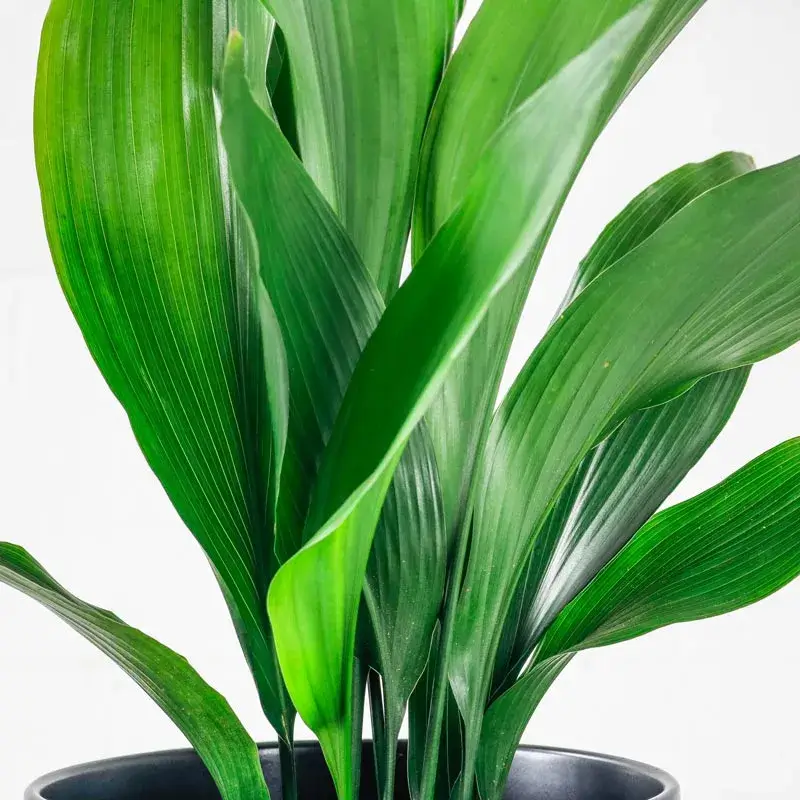
Cast Iron Plant

Aspidistra Elatior

safe for cats

safe for dogs

As part of our unkillable range, the Cast Iron Plant makes for a fantastic first houseplant & present. What’s even better is the fact that Cast Iron is completely pet friendly and safe.

What can be better than a durable house plant that you don’t have to worry about?

Areca Palm

Dypsis Lutescens

safe for cats

safe for dogs

This beautiful palm adds plumes of rich foliage to any home or office it resides in. Not only that, but it’s totally safe around your pets and children. Coming in three different sizes, the Areca Palm can fit in a range of environments. Our largest size (120cm) can even provide a little bit of shade for your furry friends on a hot day!

kentia palm howea forsteriana

Kentia Palm

Howea Forsteriana

safe for cats

safe for dogs

Kentia Palms are a fantastic house plant that require little care and attention. As well as being tolerant to shade and the occasional under watering, they’re completely safe around your pets and children. Kentia Palms can also purify the air. This means they would be actively helping the companions in your home. 

Prayer Plant

Prayer Plant

Maranta leuconeura

safe for cats

safe for dogs

Recognisable for it’s beautiful, distinctive, leaves. The prayer plant makes a great housewarming gift for friends with pets.

Not only is a Prayer Plant pet safe, it’s small enough to be placed on a coffee table or side board. You’ll definitely be able to keep it out of the way of wandering and explorative pets!

Parlour Palm

Chamaedorea Elegans

safe for cats

safe for dogs

Another easy care indoor plant that is safe around pets is the Parlour Palm. The Parlour Palm is also shade-friendly and a beautiful addition to even the darkest of rooms. Being an air purifying plant, it can also help absorb toxins in the air helping your pets and children breathe easier.

Spider Plant

Chlorophytum Comosum

safe for cats

safe for dogs

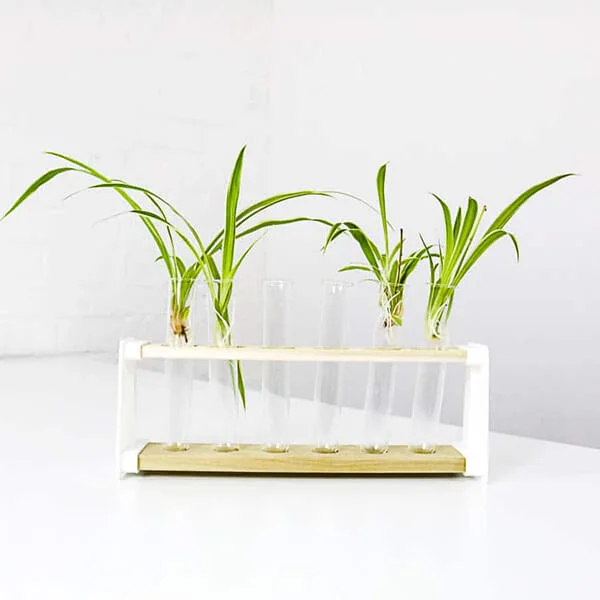
Another pet friendly house plant you can consider introducing into your home is the spider plant. Small, beautiful, pet friendly and easy to propagate. Moreover, this non-toxic plant is perfect to sit on a table top or sideboard!

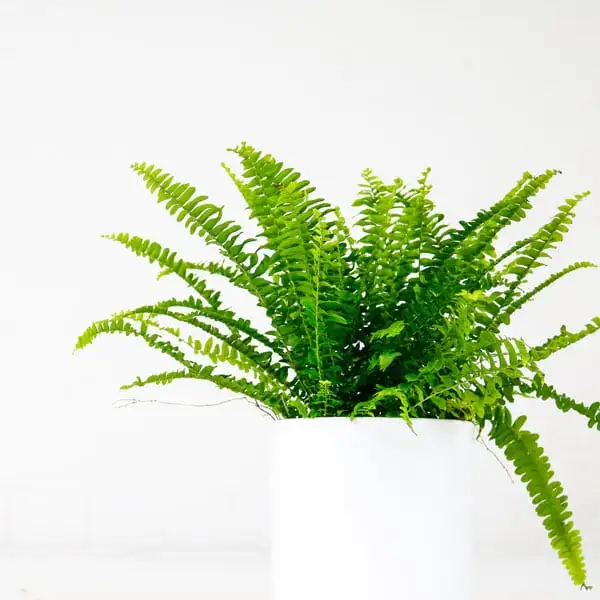
Boston Fern

Nephrolepsis Exaltata

safe for cats

safe for dogs

The fronds of the Boston Fern give it bags of character aswell as being a pet friendly house plant it has a unique form and charm. Like many of our indoor plants, the Boston Fern is also small and air purifying. You can keep it on a sideboard, so your pet won’t even notice as it removes toxins from your home. Out of all our pet friendly houseplants, this beauty will improve your quality of life!

Banana Plant

Musa Dwarf Cavendish

safe for cats

safe for dogs

Not only is the Banana Plant one of the most popular fruit plants on the planet, it is also one of our pet friendly houseplants! What’s against bringing the tropics into your living room or conservatory? Spice up your home decor with a pet-safe Banana Plant. 

Money Tree

Pachira Aquatica

safe for cats

safe for dogs

One of our most popular plants is the money tree and for good reason. It’s beautiful, fast-growing and non-toxic to pets. Additionally, the money tree also has a thick stem/trunk making it perfect for those with larger dogs like German Shepherds or Sheep Dogs. It is certainly resilient to the odd bash or contact. It’s definitely one of our most sturdy pet friendly houseplants

toxic houseplants snake plant

Why Get Pet Friendly Houseplants?

At Plants Depot, we understand just how important our family and friends (sometimes furry) can be. When you’re trying to make your house safe for your cats, dogs or children you might add a baby-gate or plug socket covers. But have you ever considered the plants in your house?

Having a quick think about whether you have child or pet friendly house plants can be crucial in ensuring that there is no need for a sick bowl or, in rare cases, a trip to hospital! Definitely consider having some non-toxic plants if you have a little companion that you can foresee chomping on a leaf or two…


pet safe houseplants

What Makes a House Plant Toxic?

Just like humans, plants are made up of thousands of chemical compounds. This helps them to stay alive, absorb nutrients and sunlight, remain rigid, and survive in some of the harshest conditions. However, if humans, cats and dogs are to accidentally ingest some of these plants, they can have some quite nasty effects on our health.

One of the most common poisonous chemical components found in plants is insoluble Calcium Oxalate.

  • Spathiphyllum (Peace lily)
  • Alocasia (African mask)
  • Colocasia (Elephant ear)
  • Monstera (Swiss cheese)
  • Caladium
  • Epipremnum (Pothos, Devil’s ivy)
  • Philodendron
  • Diffenbachia (Dumb cane)
  • Zantedeschia (Calla lily)

These plants form calcium oxalate crystals in order to regulate their own calcium levels; the crystals act as a calcium reserve.1 They also function as protection against predation. These needle-sharp crystals usually exist in formations called raphides. When an animal bites into the plant tissue, the crystals are released and cause irritation, swelling of the oropharyngeal region, and vomiting.1 It’s recommended by the ASPCA to keep these types of plants away from pets. They have a great, comprehensive list for cats and dogs. A popular recommendation is to provide cats with cat grass instead.

Where possible we have tried to indicate on product pages what some of the toxic effects are from each plant and how to proceed if an accident occurs. For example, on the Fiddle Leaf Fig we highlight the following:

The fiddle leaf fig is classed as poisonous; if parts of the plants are eaten, vomiting, nausea and a loss of appetite could occur. Consumption of large quantities must be dealt with quickly; acquire medical assistance for further information. The sap can also cause dermatitis and skin allergy to sensitive individuals, so be sure to wear gloves when handling.

If you own one of these, you may want to have a think about where you’re going to place these plants in your home. Why not move them into an upstairs bedroom, or on a windowsill that is out of reach?

What Pet Friendly Houseplants are Suitable for Big Dogs?

When it comes to big dogs with even larger personalities, it can sometimes be difficult to find house plants suitable to live alongside them. Whether you have a German Shepherd that loves to chomp on some foliage or a Golden Retriever that gets a little too excited for its walk, having some non-toxic, pet friendly houseplants that are up to the challenge of taking a bashing really goes a long way! There are three things you can do to prevent any of the accidents mentions above:

money tree large
Choose Strong Pet Friendly Houseplants
Sometimes, a house plant with a strong stem, or trunk, can be the perfect addition to a home with an excitable pet. We get it, sometimes plants can be knocked over through no fault of our own. Making sure you have a houseplant with a strong stem can go a long way in ensuring that you still have a live plant after an encounter with a wagging tail or energetic puppy! If you’re wanting a house plant that is going to be placed on the floor, why not consider a Money Tree or Ponytail Palm? These two hardy house plants are stalwarts of the busy home and can really put up with a battering. Similarly, if your plant does get knocked over and soil is knocked out of the pot, these plants are fairly tolerant. Simply refill the soil in the nursery pot and act like nothing ever happened!
Choose Some Smaller Pet Friendly Houseplants

It may sound like common sense, but if you have an energetic puppy or a wandering toddler, why not keep your plants off the floor?

One of the simplest things we can do as plant owners is to keep them out of the way of danger. Try keeping your smaller house plants on windowsills or mantle pieces so that they’re unlikely to be touched by your pets or children. 

Some suitable house plants would be the Spider Plant and Boston Fern. These will sit happily on a ledge or table and unlikely to be toppled over and get soil all over that rug or carpet!

chinese money plant pilea peperomiodes
pet safe houseplant placement corner
Put Your Pet Friendly Houseplants in a Safe Corner

If you do opt for one of our large pet friendly houseplants, choosing where to place them can help minimise any pet or child induced accidents. We advise opting for a safe corner where the wall can offer some extra cover and support; opposed to having your houseplant free where it can be knocked over from multiple angles.

Choose a spot that doesn’t have regular traffic of passers by to reduce the chances of your houseplant getting knocked over. Voila, your pet friendly houseplants will be in tip-top condition for years to come!

Struggling to Find What You're Looking For?

Still haven’t found the perfect plant for you? Or, are you eager to find more plants to add to your collection? Maybe you don’t need one of our pet friendly houseplants! Browse our indoor plant range to find a plant that you can rely on.


Equally, if you want to do some more research on pet friendly house plants, we find Gardener’s World to be a really useful place to start!

shade friendly

Plants That Like The Shade

So you’re looking for plants that like the shade,  but you’re worried about how much light they need. Your house is dark and you know some indoor plants are more demanding of light than others.

This is why we have compiled a list of houseplants that are shade friendly and can tolerate low-light conditions. Why not have a look at some of our plants that like the shade?

What is a shade tolerant plant?

Shade tolerant plants are usually found below the canopy in a forest or jungle. They live in a low-light area amongst the floor space, or climb up trees. The trees themselves are usually much more tolerant of full sunlight and help protect the more vulnerable plants that like the shade.

So we can apply this knowledge of which plants like the shade more and find the right place in your home for them. Below we have listed the top 10 plants that like the shade, so you can add a touch of greenery even in that darker corner of the room, which doesn’t get as much sunlight.

Just remember, all houseplants require some amount of light even if it is indirect. Even though plants that like the shade are more tolerant, they still need some natural light, as we all do. If you are looking for plants for the bathroom, which might not get any light at all – maybe you should consider an artificial plant (though we personally hate the idea of a plastic plant).

It’s also worth noting that plants that like the shade will require watering less frequently than those that like to bathe in sunlight. So make sure you don’t go too heavy with the watering can for your shade tolerant plants.

Plants That Like The Shade Lingo: What Do These Terms Mean?

When it comes to plants that like the shade, there are a number of terms plant-lovers frequently use. However, to the untrained eye they can sometimes be a little confusing. That’s why we have developed this handy little “Plants That Like the Shade” list: 


Partial Shade/Semi Shade – sometimes referred to as “indirect sunlight”, partial shade is the term we give to indoor plants that like being in a darker corner of a brightly lit room. Perhaps, keep your Parlour Palms and Cast Iron Plants in shady areas – something like a room with a North-facing window is perfect.

Full Shade – full shade is the term we give to plants that hate being in the sun. Typically, these are usually woodland plants that provide a little bit of ground cover. These plants are fantastic for dark and moist environments like bathrooms and kitchens.

Dry Shade – dry shade refers to the type of soil your plants for shade sit in! A plant that likes dry shade will also like dryer soil and is typically used to a warmer environment. A living room or bedroom would be perfect for one of these plants!

Damp Shade/Wet Shade – for plants that like moist soil as well as plenty of shade. Usually, damp shade-loving plants will have deep green leaves. Picture something like a Cast Iron Plantor Peace Lily!

Direct Sun – although the polar opposite to some of our shade-loving plants, “direct sun” is a term we give to some indoor plants that love to catch those rays! Plants like the Aloe Vera, African Milk Tree love full sun. Place them near a South-facing window and they’ll do the rest!

Top 10 Houseplants That Like The Shade

Boston Fern

Nephrolepsis Exalta

If you’ve ever taken a walk through the woods or a forest, you’ll have seen ferns amongst the flora and fauna and there’s a good reason for it. Boston Ferns love the shade! Their fronds are sensitive to light and too much will scorch them. A Boston Fern is a great place to start when looking for a shade liking plant.

Cast Iron Plant

Aspidistra Elatior

This shade tolerant plant is one of the most easy care plants out there. From the forest floors of Japan and Taiwan, the Cast Iron likes a shady spot and can tolerate period without water for up to 1 month (temperature and light dependent).

Kentia Palm

Howea Fosteriana

The Kentia Palm was popularised for the fact that it likes the shade and its easy-care nature. It makes a great choice for adding a touch of elegance and opulence to a dark room.

Janet Craig

Dracaena Fragrans

Even though the Corn Plant originates from Africa it is tolerant of shade – even coping in North facing rooms. Just ensure you don’t over-water your Corn Plant if it is in the shade. Test the soil before watering.

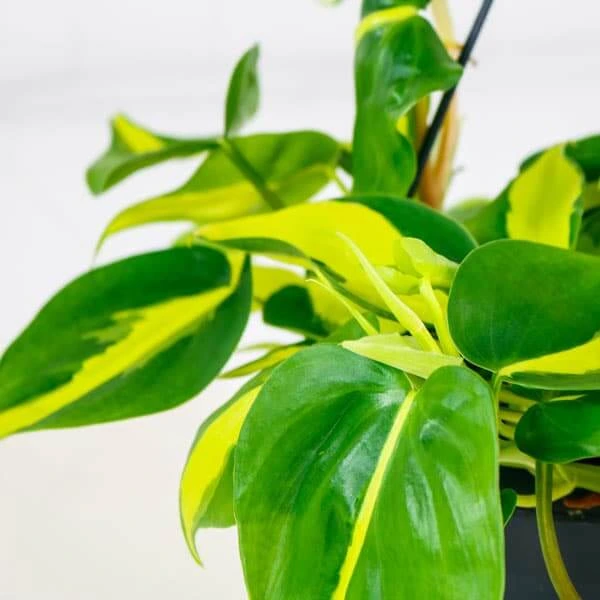
Heartleaf Philodendron

Philodendron Scandens

This hanging plant really likes the shade. It’s beautiful foliage will cascade in that shady corner of your room or in a brightly lit spot – just don’t let it sit in a spot that gets too much direct sunlight during the day.

Spider Plant

Chlorophytum comosum

The spider plant is a super easy care plant that requires little attention. Find it a spot it will like in the shade and avoid overwatering to keep it happy as larry.

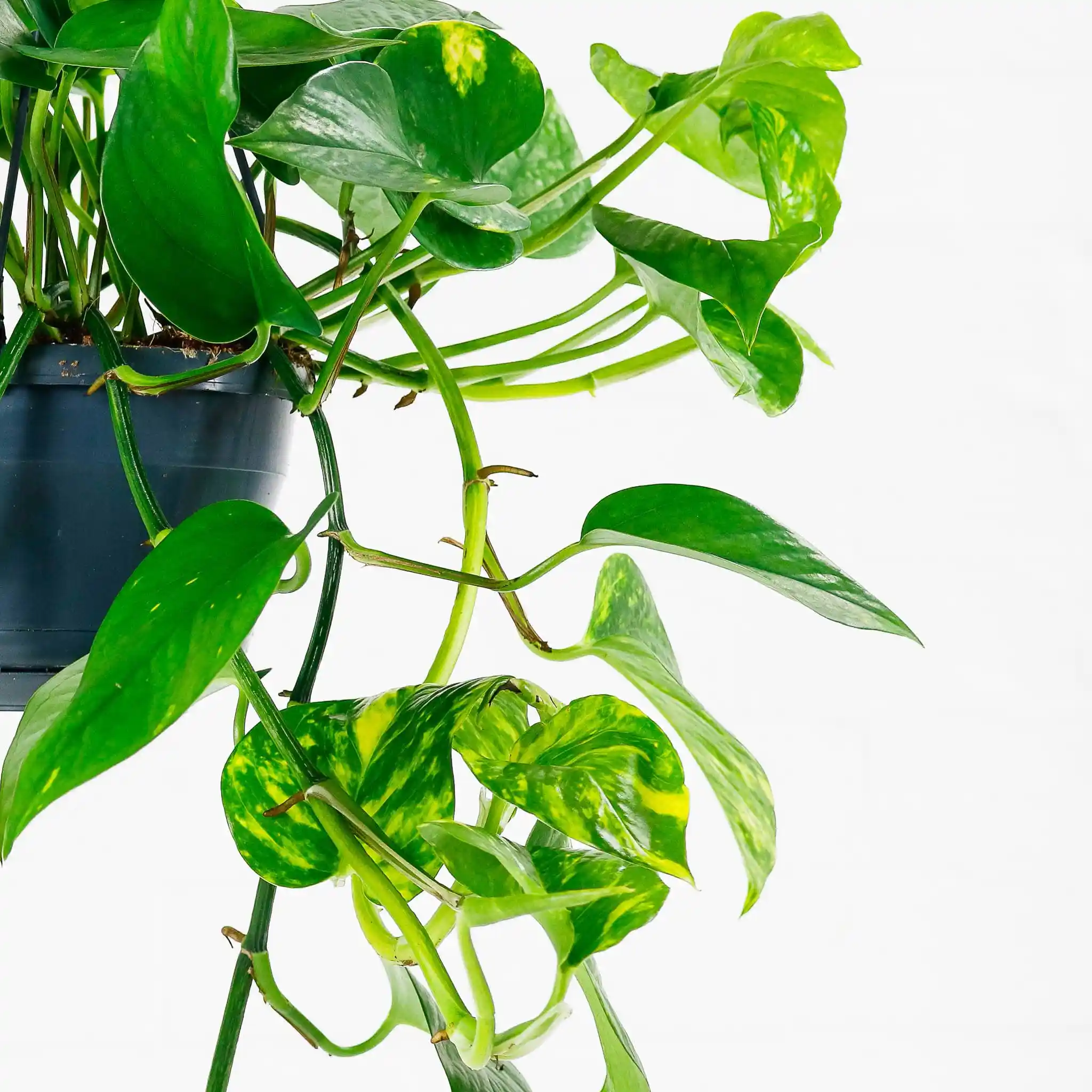
Devils Ivy

epipremnum aureum

This shade liking plant performs best in a brightly lit spot away from direct sunlight. Devils Ivy are actually a climbing plant and grow from the floor to reach some of the brighter light at the top of the canopy.

Rubber Plant

Ficus Elastica

The rubber plant can tolerate the shade, but prefers a brightly spot where possible. It will really go almost anywhere, just avoid over-watering if situated in a very shady spot and keep your eyes peeled for the leaves getting too soft – if they do, move it to a spot with a little more light.

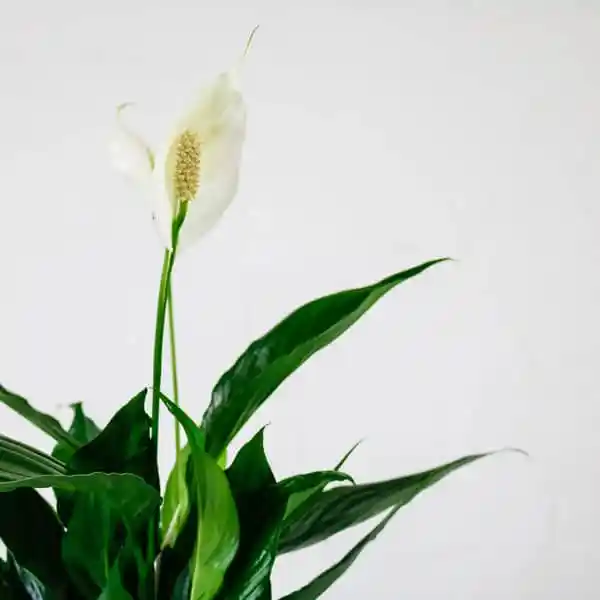
Peace lily

Spathiphyllum

Peace lilies like the shade and will not tolerate direct sunlight. In fact, their leaves get scorched quite easily if they’re sat in too much sunlight so keep them away from a south facing window and find them a cosy spot in the shade.

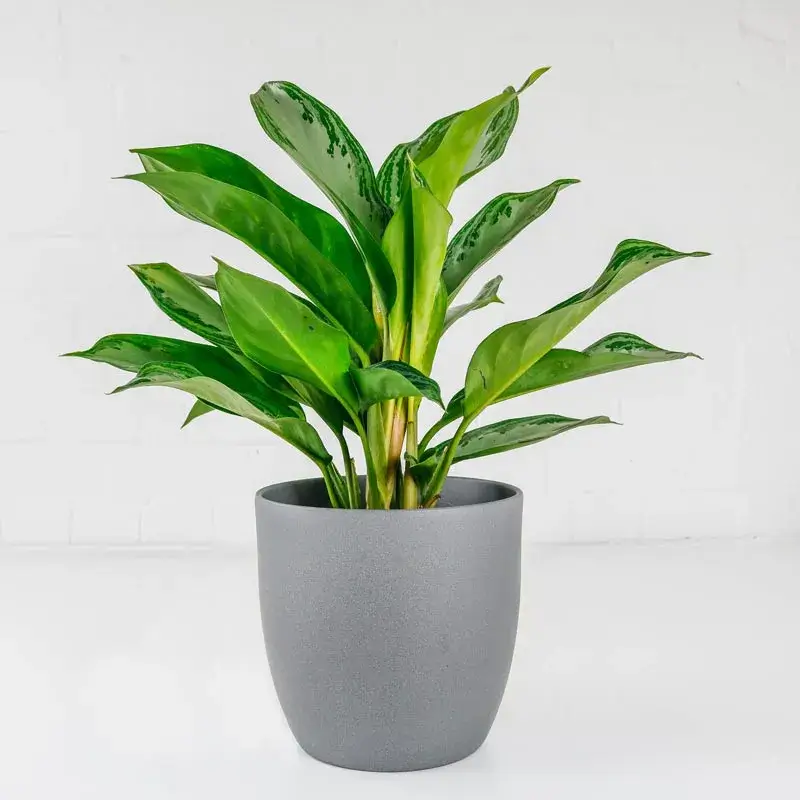
Chinese Evergreen

Aglaonema

Another indoor plant that likes the shade. The Chinese Evergreen can sit in a North facing window without too much bother. It’s a really easy care plant and looks great as a medium-sized plant.

Choosing your houseplant according to its light needs

To make it easy we have grouped our plants based on their need for natural light, so you can choose your plant according to where they will live. Why Not Look at NASA’s Clean Air study for their air-purifying qualities…

How can I make the most of growing plants in my shadier room?

In shadier spots, one of the hardest things to overcome is getting enough light to your plants.  Often in rooms with smaller (or no) windows – like your kitchen or bathroom, some indoor plants are going to struggle to stay alive! So, we’ve some up with this essential guide to help you with your plant-care regime.

  • Use Shade Tolerant Plants – If you’re thinking about buying a plant for a shadier room, there’s one that will fit the bill perfectly: English Ivy. The easiest way to keep your plants thriving in shadier spots is by buying plants that love it. This trailing plant finds these conditions absolutely perfect, making your job as a carer so much easier! Simply, hang this plant off a shelf and you’re good to go. 
    • Equally, if you have a unit you want to place a plant on, other fantastic options are the Chinese Evergreen and Peace Lily. These plants prefer darker conditions and will thrive in your shadier spots!
  • Use Window Sills – If you have access to a window in your kitchen, or bathroom, this can be the perfect place for plants needing an hour or two of direct sunlight. Indoor plants like the Chinese Money Plant rely heavily upon the sun’s rays to thrive and grow.
  • Water less often – One of the most important pieces of advice we can offer is to avoid overwatering your plant. Plants require less water if they preside in shadier spots. Keep your eyes peeled for how dry the soil is, allow the top inch to dry by testing with your finger and top up when necessary.

Shade Tolerant Hanging Plants

One of the easiest ways to improve your home decor is by adding hanging plants into your home!

Perfect for almost any room in the house, these indoor plants will be perfect on a shelf, bookcase, or hanging from a wall. Put simply, a hanging plant, sometimes called a climber, is a plant with a lovely, long, cascading foliage. Many of this variety are well known for their love of shade and will certainly liven up even the dullest of rooms. Here are some of the hanging plants we have on offer:

Measure how much light your plants are getting

There are a few different ways to monitor how shady your plants environment is in. Without purchasing any products to test, a good way to check is if you can’t read a book where the plant is without additional light then it’s too dark for your plants. However, to get a better reading and to test both the light levels and soil moisture and acidity, we recommend purchasing one of our soil & light testers.

biophilic design living walls

Biophilic Design

Biophillic Design

THE ISSUE

Modern life in Britain is continually changing. As we continue to see an incline in rates of urbanisation, this appears to have had a number of detrimental societal effects. Businesses have fallen in favour minimalist designs, inhabitable large warehouses and office spaces in order to be able to store products and meet customer demands. As such, employees are forced to work dull and often uninspiring spaces. This appears to be something of a worsening problem as companies require employees to be more productive whilst, at the same time, neglecting their mental and physical well-being.

Is there a solution?

There is. And the solution is simple, cheap and effective.

Turn our sterile, dull, minimal working environments into abundant, thriving places to work.

Translating from Greek as a love of life or nature, Biophilia can be defined as humankind’s innate desire to connect with nature and the natural world.

Have you ever found yourself drawn to the crackling of a smoldering fire, captivated by a walk around a country park, or fearful of predators such as snakes and spiders? Well, that’s biophilia. Key to humankind’s ability to thrive is our fascination and dependence upon the natural world. Such fascinations have even been noted for hundreds and thousands of years by philosophers, poet’s, and scientists.

One of biophilia’s most prominent researchers, Stephen Kellert asserts: ‘modern society has become adversarial in its relationship to nature’. With the effects of urbanisation leading to a lack of biodiversity, an increase in chemical pollution, and decreased people’s productivity, nature has been used to solve these problems; this solution is called ‘Biophilic Design’.

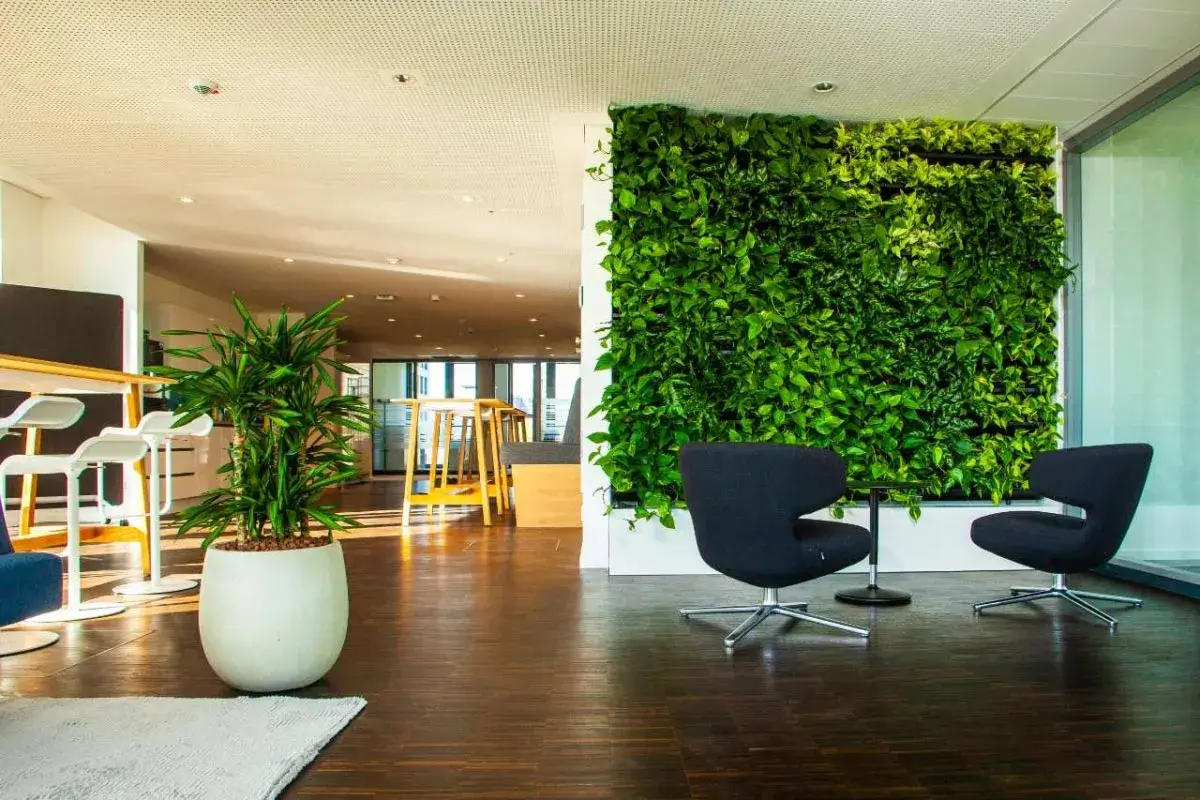
Simply put, Biophilic Design is the attempt to integrate nature into urban spaces and, as a result, bring nature to the forefront of the human experience. Major companies such as Amazon, LinkedIn, Etsy, and Adobe have incorporated Biophilic Design with each, respectively, making their head offices lighter, earthlier, and greener spaces.

In practice, companies that have made biophilic design a reality have:

Made workspaces lighter and brighter

Incorporated plants into workspaces and artwork

Increased ventilation in workspaces

Increased the number of earthly tones

Examples of effective biophilic design
Biophilic Design

Amazon's Spheres

In 2013, Amazon decided to rebuild their headquarters in Seattle to create ‘The Spheres‘ a fully immersive experience for their workers. The project took 7 years and 600 people to build it, with 40,000 plants and 300 species included in it. They keep the environment at 22 degrees celcius and 60% humidity creating the most ideal environment for them to work in.

If the most successful company in the world sees the benefit and reward from implementing such efforts, why would you not follow suit?

Biophilic Design

Adobe's San Jose Headquarters

When HGA redesigned Adobe’s San Jose Headquarters, they even went as far as creating a different nature theme for each floor of the building – creating nature immersive environments with their implementation of biophilic design.

What are benefits of biophilic design?

The perceived benefits of Biophilic Design have been researched extensively by scientists with their findings suggesting a number of benefits. As Timothy Beatley argues, the addition of Biophilic Design into urban areas has had a series of positive effects on its profiters, encouraging healthy behaviours such as walking and cycling. In turn, he suggests the long term effects of biophilic design to be one of helping people live healthier, happier, and longer lives.

Biophilic design has also been seen to have a great impact upon the workplace. Studies have shown the addition of plants into interior environments to help reduce levels of stress (Gillis & Gatersleben 2015). Moreover, Sanchez (2018) found biophilic design to improve levels of concentration for workers.

Similarly, Ebbini (2021) found biophilic design to have a positive effect upon students, not only increasing their creative output, but also recording an increase in the inclusion of biophilic principles into work. Similarly, Dannenberg (2011) also children raised in green neighbourhoods had fewer symptoms of asthma than those raised in urban environments.

Clean your air

Remove harmful toxins and improve your indoor air

UTS laboratory research shows indoor plants:
  • Have strong capacity to remove VOCs; and If concentrations rise, so do rates of removal
  • All species are about equally effective – main removal agents are normal root-zone bacteria; plant nourishes & regulates its microorganisms (symbiosis)
  • Hydroculture plants work also (just a bit slower to get started)
  • VOC’s are removed day and night (24/7)
  • Absorbed VOC’s don’t accumulate — broken down to CO2 and water

Boost Productivity

Improve concentration & productivity up to 10%

Indoor plant presence increases productivity, performance, job satisfaction, by >10%, measured by:
  • Faster times to complete computer tasks
  • Creative task performance
  • Sorting and editing tasks
  • Attention capacity
  • Job satisfaction (on all 10 criteria tested)
  • Promotes good office relationships
A European study by engineers/physicists found a 1% reduction in dissatisfaction with IAQ resulted in a 10% increase in productivity!(18) – that means indoor plants repay more than the cost of their keep!

Reduce Stress

Reduce the symptoms of stress up to 50%

International research shows indoor plant presence reduces feelings of stress and negativity:

  • Lowered tension levels, using EEG, EMG & blood pressure readings
  • Survey questionnaires probing stress and/or negativity

UTS office study (55 staff; single offices) recorded average scores of reductions in stress and negative mood feelings of over 40% with plants in the office

Improve sick leave

Reduce short term absenteeism up to 60%

Medical research shows workplace stress reduces productivity and performance, & leads to illness; stress-related illness is a widespread urban health concern; and staff illness & sick-leave absences are used as direct indicators and measures of lost productivity(19-21).International research shows Indoor plant presence reduces illness and absences(22-24):
  • Sick-leave — from 20 to >60%
  • Coughing & wheezing — 35%>
  • Dry eyes, nose, throat — 20%>
  • Perceptions of pain — 25%

How can you implement Biophilic Design into your workplace?

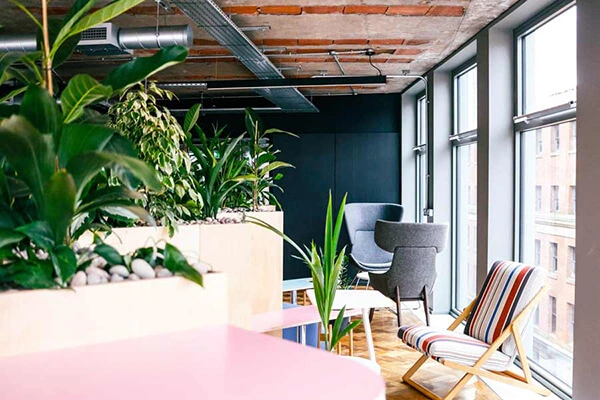
Incorporating biophilic design into your workplace is not only easy, but cheap as well. You can begin by really making the most of your office or workspace. Make sure nothing is covering or blocking your windows. These are vital in getting light, ventilation, and natural sounds into your workplace.

Next, begin to think about introducing plants – we can offer a range of services to help here. Whether you want to simply buy indoor plants in our online shop, discuss our plant rental service, discover living walls, or look for a bespoke design & fit out – we can find the right solution for your business.

Rent plants for your office

Buy Indoor Plants

indoor-living-wall

Discover living walls

Office plants

Request a bespoke design & fitout

Finally, you can even spice up those white or magnolia walls with considerable ease. Begin by adding in some ‘earth tones’ (Greys, Greens, Browns) into your room. You don’t necessarily have to do anything too drastic, like painting walls. Instead, maybe look to buy some plant pots in keeping with the principles of biophilic design.

Get a FREE quotation

Just give us a call on + 447481142947 and speak to a member of our friendly team, or fill in the form below

Biophilic Design:

Concept used within the building industry to increase occupant connectivity to the natural environment through the use of direct nature, indirect nature, and space and place conditions.

  • Great health, environmental, and economic benefits
  • Dannenberg (2011) -children growing up in green neighbourhoods had fewer symptoms of asthma than those who did not.

Environmental & Economic benefits: 

  • Newman (2015) – adding biophilic design and landscapes, cities like New York can see savings nearing $470 million due to increased worker productivity and save $1.7 billion from reduced crime expenses.
  • Beatley’s (2013) concept of urban resilience. The addition of biophilic design into urban environments causes good behaviours (adaptive capacity) that have positive knock-on effects (resilient outcomes) for occupants.

Plants for Offices

Breathe life into your business with indoor plants.

We consult, design, maintain and replace plants in businesses across the North West. We also deliver indoor plants to businesses nationwide, so you can green your team or treat them to a gift that will grow for years.

pexels max vakhtbovych

Rare House Plants You Need In Your Home

Rare House Plants You Need In Your Home

Many house plant owners long for a unique addition to their collection to take centre stage in their home. The unusual foliage, unique colours and striking shape of rare houseplants make them appealing to plant keepers of all calibre.

If you’re new to plant parenting, don’t be put off by the term ‘rare’ – the plants in question are surprisingly easy to care for. 

Here, we talk through some of our rare houseplants and offer a quick guide on how to care for them.

monkey mask plant monstera

Monkey Mask Monstera

Coming in at number one, we have the monkey mask monstera. This is a truly beautiful plant with a distinctive look. A close relative of the Swiss Cheese Plant (Monstera deliciosa), the Monkey Mask is often also referred to as Monstera Obliqua.

However, a true Obliqua is a little different to the Monstera Adansonii and has more holes than leaves. This guy is much more attractive.


Care requirements: This plant is easy to care for, requiring high humidity levels and low light conditions.


String of bananas

String of Bananas

You’ve probably heard of string of pearls or string of hearts, well, here we have the string of bananas. This hanging plant is a dashing addition to any home and looks amazing in its own macrame plant hanger. 


Care requirements: Originally from South Africa, this drought-resistant succulent doesn’t really need much water and it is best to let the soil dry completely before getting too happy with the watering can.

In order for the string of bananas to truly thrive, it only asks for one major thing: as much direct sunlight as possible.


Weeping Fig braided stem ficus bejamina

Weeping Fig

The weeping fig makes for a truly interesting and charming feature in your house. The stems resemble interlocking vines and the delicate leaves are sure to make visitors stop and stare. A perfect plant in our opinion.


Care requirements: Keep this plant away from direct sunlight and ensure a stable, humid environment. Beware, this plant is toxic to both humans and pets so bare this in mind before purchasing.


heart of jesus

Heart of Jesus

This plant is renowned for its amazing foliage. They come in a range of beautiful colours from deep red to lime green and make a fantastic showstopper as an indoor plant. This tropical perennial likes to stick around and come back year after year.


Care requirements: This one is a little more challenging to care for but the results are worth it. In the UK, they can require a little more attention than most houseplants. They love to be watered regularly, and can’t stand the cold. 


The plant contains calcium oxalate crystals, which is toxic to humans and pets.


watermelon peperomia

Watermelon Peperomia

Last but not least, we have the Watermelon Peperomia. Named after its resemblance to the rind of a watermelon, this houseplant is gorgeous for new plant owners.

Despite its small stature, it is bound to make a big impression on any living area. It’s also easy to propagate and make new plants. Just carefully cut off a leaf, dip it in rooting powder and put it in compost. Easy-peasy.


Care requirements: This plant is best positioned in indirect sunlight and needs water only when the soil is dry to touch. The leaves are very delicate so be careful not to over handle this little plant.


These five rare plants are only just scratching the surface and we have many more on offer. Whether you’re a seasoned gardener or completely new to the house plant keeping world, we have a rare houseplant just for you. 


Shop unusual plants at Plants Depot today to find a unique addition to your plant collection that you’ll truly love.

Plant Care

For tips and advice on the best way to care for your plants head over to our plant care page; where we discuss everything from watering your plants, to potting your plants, to getting rid of pests and bugs.

Plant Benefits

To find our more about how plants can benefit our physical and psychological health go check out our plant benefits section. Here you can find out how plants reduce stress, boost productivity and even help sickness recovery time.

House plants image

Popular House Plants and How To Care For Them

Popular House Plants and How To Care For Them

At Plants Depot, we sell a huge variety of houseplants that cater to all levels of plant-keeping experience. Whether you’re looking for a beautifully flowering plant, a large, big leaf tree or a miniature succulent or cactus, we can help you to find the right plant and care for it well. 

Here are some of our most popular houseplants and their care requirements – they are relatively easy to maintain, come in a large range of sizes and all look equally beautiful in the home.

You can also download our free mini guide!

cast iron plant aspidistra

Cast Iron Plant

Aspidistra Elatior

The Cast Iron house plant, native to Japan and Taiwan, is a hardy plant that requires very little watering and minimal, overall care. It’s great for beginner gardeners and those who just want to keep a few, simple plants for the aesthetics. 

Caring for a Cast Iron plant is simple. You’ll need to:

Water: Once a month.

Light: Indirect sunlight, but it will be fine in full shade.

Soil: Loose and well-draining.

Potting: Start at 12cm, can be propagated and re-potted.

Pet Friendly?: Yes

kentia palm howea fosteriana

Kentia Palm

Howea Forsteriana

The Kentia Palm, originating off the coast of Australia, is a beautifully exotic palm that is hugely popular amongst house plant keepers. It’s a fairly easy plant to care for as it doesn’t require much sunlight, if any at all.


Most people can easily care for a Kentia Palm. You’ll need to:

Water: The top third of the soil needs to dry out between watering.

Light: Bright, indirect light.
Soil: Well-draining potting compost.
Potting: Starts at 19cm, will need repotting every 3 years.
Pet Friendly?: Yes.

peace lily spathiphyllum

Peace Lily

Spathiphyllum

The Peace Lily, originally thriving on a tropical forest floor, is a great, highly-popular house plant that most people have heard of before. Peace Lilies are beautifully resilient plants that stand up well in most home environments and are powerfully air-purifying.


Water: Occasionally, and topped up if the leaves are wilting.

Light: Bright, well-lit area that maintains warmth (16℃ & above).
Soil: Nutrient rich, loose compost.
Potting: Starts at 12cm, can be repotted when it grows and easy to propagate.
Pet Friendly?: No

money tree small

Money Tree

Pachira Aquatica


The Money Tree, popularised in Taiwan, is said to bring prosperity and positivity to the home. With beautifully braided stems that come in a large range of sizes, the Money Tree is a wonderful addition to any home.


With particular attention to light and water, the Money Tree is easily cared for. You’ll need to:

Water: Top it up regularly and water when the top inch of soil is dry.

Light: Brightly-lit spot with a minimum of 6 hours indirect sunlight a day.
Soil: Well-draining, nutrient-rich potting soil.
Potting: Repot if you want the tree to grow larger.
Pet Friendly?: Yes

areca palm dypsis lutescens

Areca Palm

Dypsis Lutescens

The Areca Palm, a hugely air purifying leaf, is a stunning tropical palm that grows well in a range of different environments. The palm varies in size and can be kept as a small house plant or repotted to grow into a large palm tree.


With only a few elements to focus on, the Areca Palm is a hardy plant and easy to care for. You’ll need to:

Water: Keep the soil moist in the warmer months and drier in Winter.

Light: Mostly indirect sunlight with 3-5 hours of direct sunlight a day if possible.
Soil: Peat-based potting mix.
Potting: Re-pot every other year to refresh.
Pet Friendly?: Yes

Choosing the right house plant that works best for your home environment and plant-keeping skills can be difficult. At Plants Depot, we provide our customers with plenty of advice and support on how to choose the right house plant and how you should care for it.


You could check out our blog on our pick of the 10 best houseplants or browse through our site and read about each plant individually. Whether you want to get a simple, unkillable houseplant or are more experienced and fancy caring for a more unpredictable yet rewarding leaf, Plants Depot has them all. 

Plant Care

For tips and advice on the best way to care for your plants head over to our plant care page; where we discuss everything from watering your plants, to potting your plants, to getting rid of pests and bugs.

Plant Benefits

To find our more about how plants can benefit our physical and psychological health go check out our plant benefits section. Here you can find out how plants reduce stress, boost productivity and even help sickness recovery time.

Cherry Brush Bonsai Tree Syzygium

Bonsai Care Essentials

About Bonsai Trees

Translating from Japanese as ‘planted in a container’, the Bonsai tree is one of the most popular plants on the market today! Originating in China, before spreading eastward to Japan and Korea, the Bonsai tree was the staple plant cared for by Buddhist monks in their temples and homes. Whilst the Chinese art of Bonsai care is now considered something of an ancient tradition, today’s age has seen the bonsai being a staple plant in Japanese households, alongside a steep incline in popularity with American plant owners. Bonsais have also been shown to help in reducing the incidence of throat, dry coughs, colds, and dry skin (Fjeld 2018) as well!

At Plants-Depot, we’ve taken the liberty of producing this extensive bonsai tree care guide so you can keep your indoor bonsai tree happy and healthy.

Choosing An Indoor Bonsai Tree:

The first stage of your bonsai journey is to first choose the right tree for you. Along with many beginners, you may be mistaken in believing all bonsais are the same. This couldn’t be any further from the truth! When deciding upon your tree, bare in mind how it will look once it has been established and growing for a year or two. Here are some great questions you might want to ask yourself: 

  •  How will my bonsai look when it flowers? – During the summer months, an established bonsai will often produce beautiful flowers. Whether they’re ornate white flowers of the Brush Cherry or the purple fruits of the Sweet Plum, it is certainly wise to consider your bonsai’s aesthetics a few months/years down the line! 
  • How will the bark look as my bonsai ages? –  Many bonsais can be easily recognised by their bark. Whilst some of these indoor trees (like the Japanese Elm) produce a hardy grey bark, many growers are infatuated by the beauty of the Sweet Plum Bonsai’s flaky red bark. This tree not only blossoms but offers firey flashes of wood to the eyes of its owners.
  • How is my bonsai supposed to look natural? –  Before you even begin to think about pruning and plant-care, ask yourself how nature intended your bonsai to look. If you don’t believe us, have a look on our website! At Plants-Depot, we sell a plethora of bonsai trees, ranging from those with short wide stems (Bonsai Fig Tree) to those with long winding stems (Brush Cherry), it’s so much easier to work with what you’ve got than what you’ve not! The same goes for foliage too! If you prefer bushy foliage, order yourself a bonsai that produces a number of leaves – like the Fukien Tea and the Sweet Plum Bonsai.

Caring For An Indoor Bonsai Tree

Watering

Watering your bonsai is a really simple process! The key to consistent success is always keeping your soil mildly moist. If you underwater your plant, its foliage will begin to wilt, turn black, and fall off the tree. Equally, overwatering your bonsai tree can result in root rot and, ultimately, the death of your plant.Whether you give the plant a good soaking once a week or constantly top up your soil once a day, just make sure your bonsai is well watered. A great way of gauging if your bonsai needs a drink is to place your thumb in the soil. If the top half of your soil is dry, then it’s time to water! You can keep your bonsai, safely hydrated with our watering can. 

Humidity

Bonsais much prefer a humid than dry atmosphere. Be sure to keep your plant away from any radiators and harsh sunlight as this can quickly dry your plant out! If you want to go the extra mile, maybe give your bonsai leaves a quick mist with some water once a week and prune your tree to stimulate and nurture healthy growth. If you haven’t already, why not invest in one of our water misters?

Soil

As for soil, Bonsais are able to survive in many types of soil but really thrive with soil that retains water well. As such, it is recommended that a mixture of grit, peat, and loam should be used with your bonsai. Similarly, you can also add Akadama clay to your pot or tray as it has a great ability to release water slowly. On pH, your soil shouldn’t be too acidic or alkaline. Somewhere between 6.5 and 7.5 is just right!

Fertiliser

As Bonsais are often grown in small pots or trays, it would definitely be helpful to invest in some good quality bonsai-specific fertiliser. This will help to make sure that your bonsai is getting the right amount of nutrients. During the growing season (spring and summer) it may be worth having two different types of fertiliser. In spring, be sure to have an NPK ratio of 10-6-6. Having a nitrogen-heavy fertiliser will really help in growing the leaves of your bonsai. Equally, as you get to summertime, it may be worth using an NPK 6-6-6 as this is much more balanced. During the growing season, you should look to use a small amount of fertiliser once a week. 

Repotting

Regularly repotting your bonsai should be a  vital part of your plant care regimen. As the Bonsai begins to grow, it begins to use nutrients from the soil. If repotting does not take place, then healthy growth will cease and your bonsai may die. In order to stop this, smaller bonsais should be repotted every two years whilst more established trees should be repotted every three to five years. As a general rule of thumb, if you are able to see roots circling around the edges of your soil (near the pot), It’s time to repot.   


Not a fan of your indoor bonsai’s pot? Have a look at our extensive range of indoor ceramic pots and get one delivered to your door!

Pests and Diseases

Finally, pests and diseases are rare in bonsais, but you can treat these easily with the regular application of a natural insecticide. At Plants Depot, we sell neem oil that is specifically formulated to solve such issues. Be sure to check once a week, maybe when you’re watering, for any discoloration or dryness in your Bonsai’s leaves. This will help you diagnose the condition early and treat such problems accordingly. 

If the problem doesn’t look too serious, the best course of action may be investing in a natural insecticide, Neem Oil. Equally, if the problem is proving difficult to remedy, you may need something stronger like our Baby Bio Houseplant Bug Killer


Have you found this article useful? Why not head over to the Plants Depot website, or get in touch with us at hello@plantsdepot.com to discuss this further

  • For more information visit our website: https://plants-depot.com/.
  • Follow us on Instagram and Facebook for the latest updates and offers.
houseplant gifts for him

15 Best Houseplant Gifts to Buy!

Finding the Perfect Houseplant Gifts!

Are you looking for the perfect houseplant gifts for your friend or partner? Well, look no further! we’ve devised this top 15 list to accommodate even the fussiest of friends and family!

From the plant care novice to the seasoned green-fingered grower, there’s something for everyone on this list. Whether it’s an easy-care houseplant or some technical tools you need, have a scroll down this list and pop something in your basket!

If you’re looking for a last-minute gift, we also offer next day delivery. Simply order before 2pm, and it’ll be out for delivery before you know it!

Unkillable Plant Bundle

the perfect package

Our (almost) unkillable plant bundle is comprised of 3 beautiful plants which range in foliage, style and beauty. The ‘unkillable houseplant bundle’ makes a fantastic gift for a friend or partner, breathing life into their home!

This gift set is perfect for the novice grower as it has three plants that require little care and attention. They’ll look great all year round!

Plant Care Gift Set

Boutique gift sets

If you’re looking for the perfect gift for someone who loves houseplants then look no further! Our Plant Care Gift Set is a boutique,  specially made hamper that would be perfect as a birthday, or Christmas, gift!

This gift is suitable for anyone, from the houseplant novice to the seasoned plant care pro! Go on, give someone a helping hand.

Kentia Palm

Howea Forsteriana

A truly stunning palm and it’s easy to see why it’s also one of the most popular houseplants. The Kentia Palm is bold and decadent and makes a fantastic houseplant present for anyone you care for!

This is a perfect gift for anyone who needs an easy-care, natural showstopper for their living room or study!

Bonsai Tree

the perfect gift

Bonsai Trees make a wonderful houseplant gift idea. Almost all our Bonsai Trees come complete with their own glazed ceramic pot and matching drip tray. They require a little more TLC than other houseplants, but just keep them wet and they’ll be happy.

There’s nothing more elegant than a bonsai tree in a sleek and stylish glazed pot. Bring some yin and yang into your life with this Bonsai tree!

ZZ Plant

Zamioculcas Zamiifolia

Found in our (almost) unkillable plant bundle, the ZZ plant can make a wonderful gift for plant care novices. Available for a very reasonable price and can grow at a rate of knots, if placed in the right environment!

This elegant houseplant is perfect for men due to its easy-care nature!


African Fig Tree

Ficus Cyathistipula

Ficus Cyathistipula, the African Fig Tree, is a species of fig tree from the tropical forests of Africa. Able to grow up to heights of 5 metres, this shrub-like fig tree grows red figs when ripe with thick skins which enable them to float on water when they drop, in the moist tropics from which they hail.

This gift is perfect for someone who wants a houseplant that will look great all year round! It’s a great natural showstopper.

Spider Plant

CHLOROPHYTUM COMOSUM

If you’re looking for one of the easiest houseplants to grow, then why not consider a Spider Plant? 

Take a look at the image on the left, and you can see just how easy it is to propagate new buds. Within a couple of weeks, they’ll need pots and you can have baby Spider Plants all around the house!

Cast Iron Plant

Aspidistra Elatior

Definitely one of our favourites, the Cast Iron Plant has to be included in our list of best houseplant gifts to buy. It’s structurally sound leaves are a beauty to behold and can survive long periods of drought.

With the occasional misting and during, the Cast Iron plant will look elegant all year round!

Rubber Plant

Ficus Benjamina

With its thick large leaves, the Rubber Plant is perfect for those needing an easy-care showstopper! Native to a number of regions around the equator, this rugged indoor plant is perfect for those who are not so green fingered. Simply buy your ficus elastic, get it delivered to your door, and follow our simple plant-care guide for fantastic growing results.

Umbrella Plant on Lava Rock

schefflera aboricola

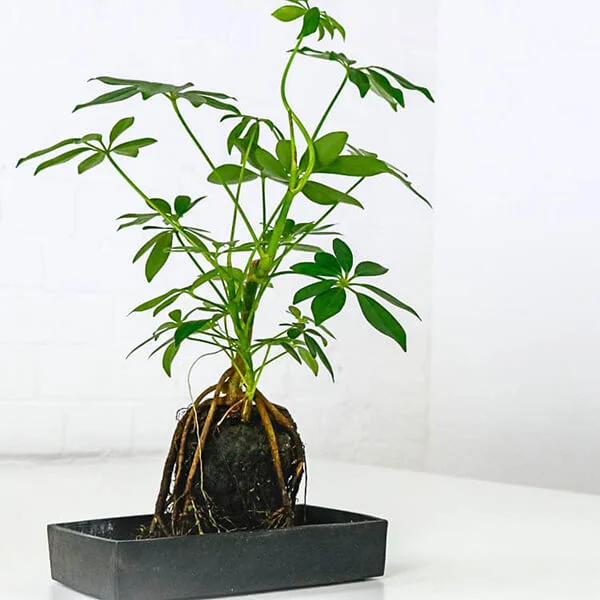
If you’re looking for a distinctive gift or showstopper for your home, the Schefflera Plant on Lava Rock is one way to catch everyone’s attention.

This gift would look perfect on a coffee table, or windowsill. It’ll definitely get all of your friends talking!

Yucca Plant

Yucca Elephantipes

Arguably one of the easiest plants to grow indoors, the Yucca is truly a fuss free plant. Originating from Central America, the Yucca is an evergreen shrub from a hot dry land.

Riki

dracaena fragrans

Known to bring good luck and fortune in its native home of Africa, you can mark your home as a sacred site with this beautiful plant. Dracaena Fragrans is an easy-care plant and can take a bit of abuse before they kick up a fuss.

Philodendron "Fun Bun"

Philodendron Fun Bun

If you’re looking for the perfect houseplant gift to buy for your quirky friend, then why not consider the Philodendron “Fun Bun”?

The Fun Bun is renowned across the world for bringing a splash of life into any home or workspace. Your friend or colleague will certainly be thanking you for this one!

Peace Lily & Pot

Spathilyllum

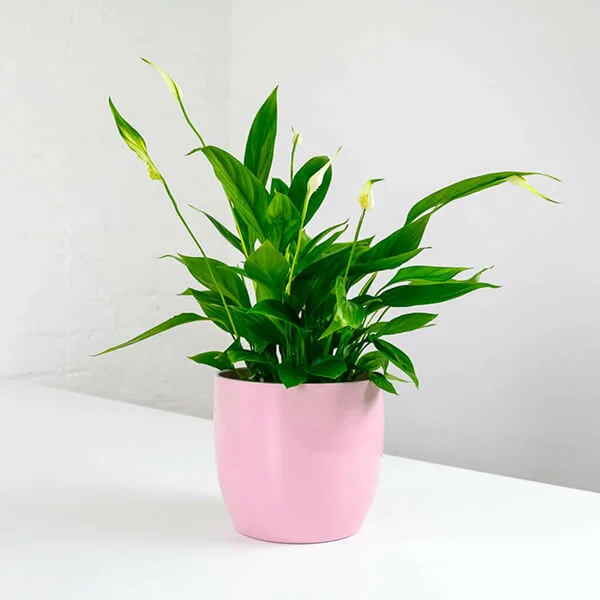
One of the best houseplant gifts we have on offer today is the Peace Lily & Pot. For just £9, you can get the perfect gift for a loved one. 

Bring some calm and peace into their life with a Peace Lily & Pot. This product also comes with a pink glossy ceramic curved pot. Enjoy!

How to Pick the Perfect Houseplant Gifts

If you’re wondering how to buy the perfect houseplant gifts for your friend or partner, there are a number of elements you should consider. Making sure you are buying the right gift for the right type of person is paramount to giving them the special day they deserve!


Are They Good at Plant Care?

If you’re thinking about a houseplant as a gift, the first thing you should probably think about is what level of gardener, or grower, they are. Different plants require different levels of care and attention. 

If you have a plant-care beginner, then you should definitely consider something smaller (and less expensive if it dies) or one of our easy-care plant range.

Aside from the plants stated above, why not consider a Chinese Money Plant or Areca Palm? If you’re worried that your receiver may be a little prone to the odd plant-care gaff, then you should definitely tell them about the plant care guides on our blog!

How Old Are They?

One of the next things you should consider when buying houseplant gifts is how old your receiver is. 

If you are wanting to buy a present for a younger person, like a child, you may want a present that is going to be more interactive – something they feel they can take part in!

For those a little older, why not consider something that would fit in seamlessly with a busy working, or university, timetable? 


What Type of Personality do They Have?

We’re firm believers that houseplant gifts should mimic the personality of the person you’re buying for! Before you buy any houseplant gifts, have a think about the type of person you’re buying for. This will help you decide what the best gift is.

For those who are sleek and stylish, you should definitely consider a more refined houseplant. Something like a Cast Iron Plant would be perfect!

Equally, for someone who is a little more on the quirky side, why not consider getting something more colourful, like a Prayer Plant or Anthurium?

house plants

10 Best Houseplants

Top 10 Best Houseplants

So, you’re thinking about greening your home, but don’t quite know where to start!? Well, fear not, for we have collated THE list of top 10 best houseplants.

So if you don’t know you’re aspidistra’s from your dracaena’s, or your monstera’s from your spathiphyllums – we’ll help you cut straight through the Latin and give you our 10 best houseplants to breathe life into your home.

snake plant laurentii

Snake Plant​

Sansevieria trifasciata

We’re going to start the list with one of the easiest houseplants you’re ever going to own. The snake plant, or mother-in-laws tongue as it also commonly known is one tough cookie. If you want to know how to care for it….you don’t. You could water once every quarter of a year and she would still stand their strong as an ox. A great start for any beginner.

Peace Lily

Peace lily

Spathiphyllum

Another plant from our almost unkillable range is the peace lily. An elegant plant with beautiful, white hooded flowers. The peace lily definitely makes it into our top 10 best houseplants for it’s beauty and resilience. Another great buy for any budding houseplant grower.

kentia palm howea fosteriana

Kentia Palm

Howea Forsteriana

A truly stunning palm and it’s easy to see why it’s also one of the most popular houseplants. The Kentia Palm is bold and decadent. It’s palm leaves sit atop of it’s long stem’s and makes a real showstopper in any room. Also a very hardy plant, and more shade liking than others. The Kentia Palm makes into our top 10 best houseplants as the best large plant.

Heartleaf Philodendron

Heartleaf Philodendron

Philodendron Scandens

One of the best hanging plants in our collection if the Heartleaf Philodendron. Its heart shaped leaves can cascade from the top of cabinets, book shelves, windowsills and more. They make a beautiful addition to any room and are definitely another easy care plant.

zz plant

ZZ Plant

Zamioculcas Zamiifolia

Another absolute beauty and another super easy care plant. Originating from Eastern Africa, the ZZ Plant is used to periods of drought and will continue to grow at a ferocious pace. The ZZ makes it into our list of 10 best houseplants for it’s beautiful leaves and hardy nature.

Alocasia Cucullata

Buddha's Palm

alocasia cucullata

This big leaf plant can grow to some serious heights, whilst still maintaining is elegance. Often referrred to as Buddha’s Palm, the Alocasia Cucullata is thought to bring good luck – so should be a welcome addition to your home. The Alocasia Cucullata makes it into our top 10 best houseplants for it’s elegance, being easy care and unusual.

dragon tree plant dracaena marginata

Dragon Tree

Dracaena Marginata

The dragon tree is definitely one of the best house plants which can prove to be almost unkillable. It can survive in a shady or bright spot and makes a wonderful exotic addition to any home. Don’t go too heavy on the watering for this exotic plant to avoid root-rot.

cast iron plant

Cast Iron Plant

Aspidistra Elatior

Definitely one of our favourites, the cast iron plant cruises into our top 10 best houseplants for it’s easy care nature and beautiful big leaves. You really can’t go wrong with a cast iron plant, it’s child & pet friendly and almost unkillable, it gets a big thumbs up from us.

Swiss Cheese Plant monstera

Swiss Cheese Plant

Monstera Deliciosa

Definitely one of the most popular houseplants, but also one of the best. The Swiss Cheese Plant, or Monstera Deliciosa is a beautiful big leaf plant that makes a centrepiece in any room in any home. It’s not too well know that the swiss cheese is actually a climbing plant and cascade’s grand walls in tropical lands.

boston fern nephrolepsis exalta

Boston Fern

Nephrolepsis Exalta

Last, but by no means least, on our list of top 10 best houseplants is the Boston Fern. It had to be included in this list as it’s long, tender fronds really set it apart from the competition. A unique addition to any home and a powerful air purifying plant.

Plant Care

For tips and advice on the best way to care for your plants head over to our plant care page; where we discuss everything from watering your plants, to potting your plants, to getting rid of pests and bugs.

Plant Benefits

To find our more about how plants can benefit our physical and psychological health go check out our plant benefits section. Here you can find out how plants reduce stress, boost productivity and even help sickness recovery time.