Calamondin Orange Tree: The Ultimate Citrus Guide
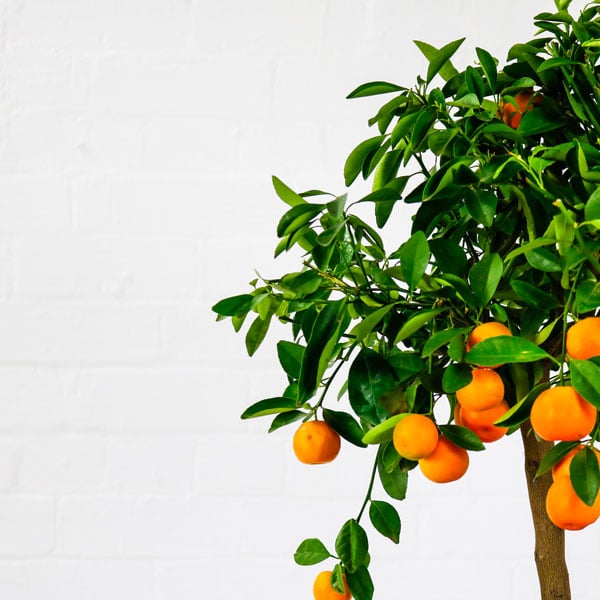
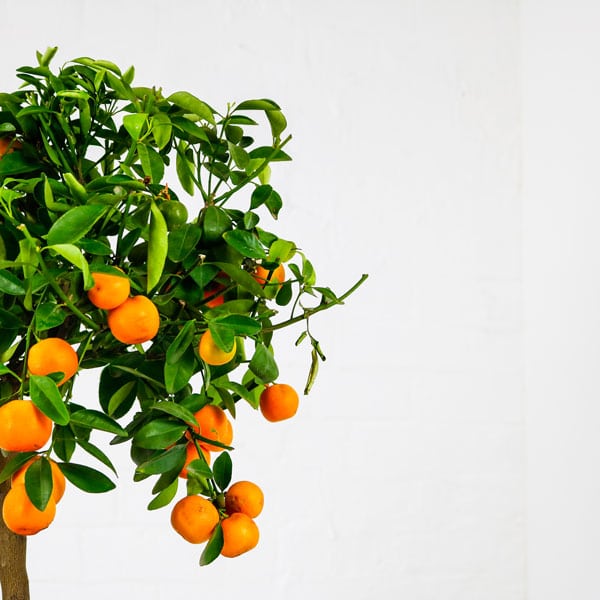
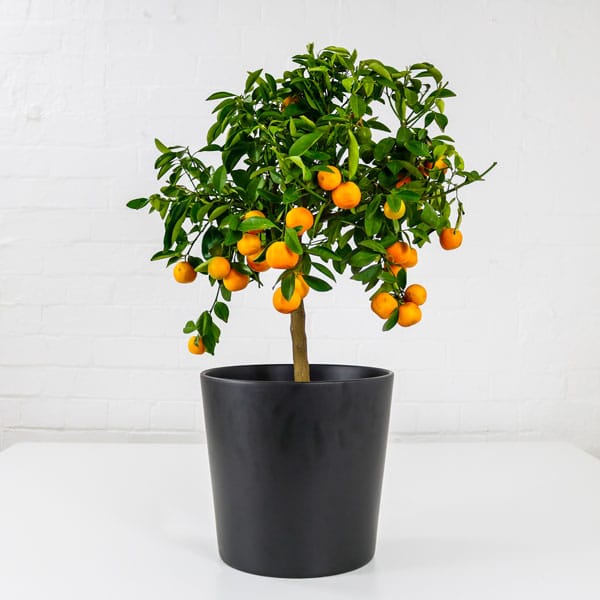
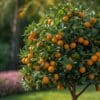
The Calamondin Orange Tree is a citrus tree. A hybrid of the mandarin orange and kumquat it grows tasty, edible fruit and has beautifully scented flowers when it blooms. The bright, bushy leaves of the evergreen orange tree make it a welcome addition in the home. Native to the Philippines, Calamansi is used in many Filipino dishes. Often used in condiments, drinks, dishes, marinades, and preserves.
Understanding the Calamondin Hybrid
The Calamondin Orange Tree (Citrus x microcarpa) is a remarkable botanical crossover. By combining the sweetness and easy-peeling nature of the Mandarin Orange with the cold-hardiness and tartness of the Kumquat, nature (and historical cultivation) has provided us with a “super-citrus” that is as ornamental as it is functional.
Known globally by many names—including
Calamansi, Philippine Lime, or Panama Orange —this tree is a staple in Southeast Asian gardens. Its ability to produce fruit and flowers simultaneously makes it a year-round sensory delight.
Culinary Versatility: From Branch to Table
In the Philippines, the Calamansi is indispensable. While the fruit is small (roughly 2cm to 4.5cm in diameter), its flavour profile is mighty.
- Zesty Marinades: The high acidity of the juice makes it a perfect tenderiser for meats in dishes like Bistek Tagalog.
- Refreshing Beverages: Calamansi juice, often sweetened with honey or sugar, is the Filipino equivalent of lemonade or limeade.
- Zest and Preserves: Because the peel is thin and relatively sweet (inherited from its kumquat parent), the entire fruit can be used in marmalades and citrus preserves.
- Dipping Sauces: Freshly squeezed Calamondin juice mixed with soy sauce and chillies creates “Toyomansi,” a ubiquitous dipping sauce for grilled seafood and meats.
Essential Care Guide for Your Calamondin Tree
Whether you are a seasoned gardener or a beginner, the Calamondin is often cited as the easiest citrus tree to grow.
Light Requirements
To thrive, your tree needs plenty of light. Indoors, place it in the sunniest spot available—ideally a south-facing windowsill or a conservatory. It requires at least 6 to 8 hours of direct sunlight daily to encourage flowering and fruit set.
Watering and Humidity
Citrus trees dislike “wet feet.” Water your Calamondin thoroughly when the top 2-3cm of the soil feels dry to the touch. Ensure your pot has excellent drainage. During the winter, when indoor heating can dry out the air, consider misting the leaves or using a pebble tray to maintain humidity.
Temperature and Hardiness
One of the Calamondin’s greatest strengths is its resilience. It is one of the most cold-hardy citrus varieties, capable of surviving short periods of frost down to -5°C. However, for consistent fruit production in the UK, it is best to keep it indoors or in a greenhouse from late September until mid-June.
Why It’s the Perfect Indoor Plant
Beyond its fruit, the Calamondin is a designer’s favourite. Its evergreen, glossy leaves stay vibrant all year, providing a lush, tropical feel to any room.
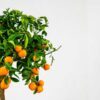
The fragrance is another major selling point. When the tree blooms, it produces small, white, star-shaped flowers that release a heavy, sweet citrus scent capable of perfuming an entire room. Because it is a “heavy cropper,” you will often see bright orange fruits hanging alongside these white blossoms, creating a stunning visual contrast.
Growth Habit and Pruning
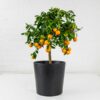
In the wild, these trees can reach heights of 7 metres, but they are easily maintained as compact shrubs when grown in containers. For home growers, they typically stay between 1 and 3 metres tall.
Pruning is best done in the spring. You can trim back the “leggy” branches to encourage a bushier, more aesthetic shape. This also helps the tree direct its energy toward producing larger, juicier fruits.
Nutritional Value
Don’t let the small size fool you; Calamondin fruits are nutritional powerhouses. They are rich in Vitamin C, which supports the immune system and skin health. They also contain antioxidants and essential minerals that have made them a traditional remedy in Southeast Asian folk medicine for generations.
Troubleshooting Common Issues
- Leaf Drop: This is often a sign of overwatering or sudden temperature changes. Ensure the tree isn’t in a cold draft.
- Yellow Leaves: Usually indicates a lack of nutrients. Use a dedicated Citrus Fertiliser during the growing season (March to October).
- Pests: Watch out for aphids or scale insects. Wiping the leaves with a damp cloth or using organic neem oil can keep these at bay.