
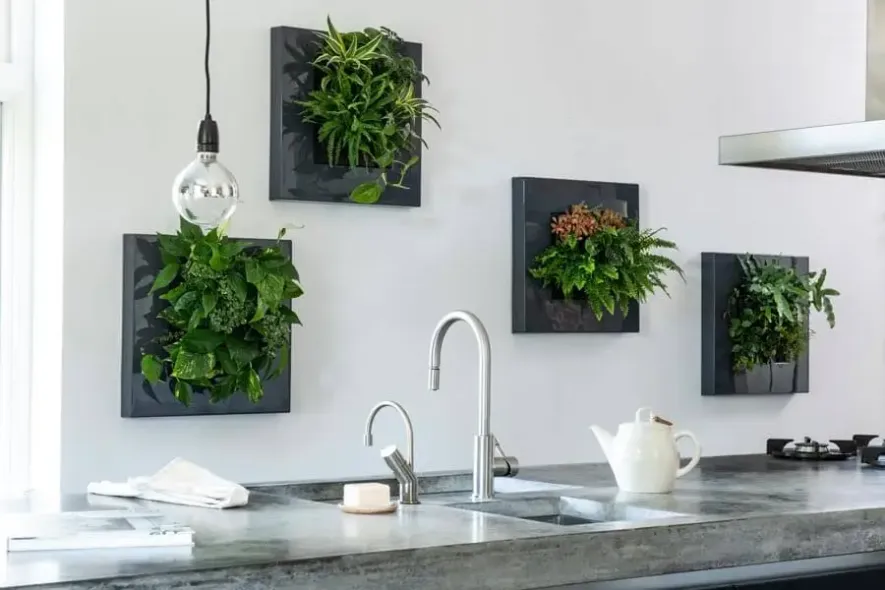
Let’s be honest, most of us don’t think much about the air inside our homes. We open a window now and then, maybe light a candle, and call it a day. But here’s something worth knowing: the air inside your home can actually be worse than the air outside. Dust, cleaning sprays, synthetic furniture, paint on the walls all release tiny particles and chemicals that quietly build up over time.
That’s where indoor plants for home come in. And no, this isn’t just about making your living room look prettier (though they absolutely do that too). Plants genuinely work, they filter the air, add moisture, and seem to have this magical effect on how calm and focused you feel. This guide walks you through exactly why that is, which plants to look for, and how to keep them alive without stress.
What’s Actually in Your Indoor Air?
You’d be surprised what’s floating around in a typical home. Things like formaldehyde (released by certain types of furniture and flooring), benzene (found in some cleaning products and plastics), and carbon dioxide that builds up in poorly ventilated rooms. None of these are things you’d notice right away but over weeks and months, they can leave you feeling sluggish, headachy, or just not quite yourself.
Good ventilation matters, of course. But adding a few well-chosen plants to your rooms gives your home an extra layer of natural filtration. Think of them as your home’s quiet, leafy support system.
So Do Indoor Plants Actually Clean the Air?
Yes, though perhaps not quite in the dramatic way some headlines suggest. Plants absorb carbon dioxide through their leaves as part of photosynthesis and release oxygen in return. But some varieties go further than that. The microorganisms living in their soil, combined with the plant’s own root system, can break down certain airborne toxins over time.
It’s not instant, and a single potted fern won’t transform a polluted room overnight. But a handful of plants placed thoughtfully around your home? You’ll notice the difference between cleaner-smelling air, better humidity, and that general sense of freshness you get when you step into a garden.
Plants That Are Known to Help
Certain varieties have been studied specifically for their ability to absorb indoor pollutants. The Peace Lily, for instance, is often recommended for tackling formaldehyde and ammonia. Spider Plants are practically foolproof and have a good track record for absorbing carbon monoxide. Boston Ferns are brilliant natural humidifiers great if your home feels dry in winter.
Snake Plants deserve a special mention too. They’re one of the few plants that continue releasing oxygen at night rather than switching off, which makes them particularly suitable for bedrooms.
The Humidity Factor
Here’s something a lot of people don’t realise: plants sweat. Well, not exactly, it’s called transpiration. As water moves through a plant and evaporates from its leaves, it adds moisture to the surrounding air. During winter, when central heating makes the air incredibly dry, this can make a real difference to how comfortable your home feels. Dry air leads to dry skin, irritated throats, and even increased susceptibility to colds. Plants help balance that out naturally.
The Wider Benefits It’s Not Just About the Air
Ask anyone who keeps plants at home and they’ll tell you it goes beyond air quality. There’s something about having living things around you that genuinely affects how you feel day to day. Here’s what the research and plenty of personal experience points to:
• Your stress levels drop. Studies measuring cortisol, the stress hormone have found lower levels in people who spend time around plants, even indoors. Just having greenery in your eyeline during a busy workday seems to help.
• Focus and concentration improve. If you work from home, this one’s worth paying attention to. A plant or two near your desk has been linked in several studies to better attention spans and fewer mental errors.
• You sleep better. Certain plants aloe vera, lavender, jasmine have calming properties that can make winding down easier. And with improved air quality in your bedroom, your body simply functions better through the night.
• Your home looks and feels alive. This sounds simple, but it matters. Rooms with plants feel warmer, more welcoming, and more personal. It’s one of the easiest ways to make a rented flat feel like your own space.
• You feel more connected even in the city. Living in an urban environment often means very little contact with nature. Even a small cactus on a windowsill creates a subtle but real sense of grounding.
If you’d like to explore what’s available, the full range of indoor plants is a great place to start. There are options to suit every kind of home.
A Beginner’s Indoor Plants Guide: Finding Your Match
One of the biggest mistakes new plant owners make is picking something they like the look of without thinking about whether it’ll actually survive in their home. It’s not about having ‘green fingers’ , it’s about picking the right plant for the right conditions.
Not Much Natural Light? That’s Fine
Plenty of flats and houses in the UK don’t get a huge amount of sunshine especially in winter. The good news is that some plants genuinely prefer shadier spots:
• ZZ Plant: This one borders on indestructible. It stores water in its roots, handles neglect, and doesn’t need much light at all. If you’ve killed plants before, start here.
• Cast Iron Plant: The name says it all. It copes with dim corners, low temperatures, and irregular watering without complaint.
• Pothos: Trailing, fast-growing, and remarkably forgiving. It can hang from a shelf or trail along a surface and looks brilliant either way.
Lots of Light? Lucky You
South or west-facing windows open up a whole world of options:
• Monstera (Swiss Cheese Plant): Grows quickly, makes a real statement, and feels very much at home in a bright room with some indirect light.
• Aloe Vera: Practical and beautiful. Sits happily on a sunny windowsill and the gel inside the leaves is genuinely useful for minor burns and skin irritation.
• Snake Plant: Adaptable to many light levels, but loves brightness. Also one of the best plants for air purification.
Tight on Space?
Plant collections section has some lovely combinations that work well together.
Indoor Plant Care Tips That Actually Make Sense
Right, let’s talk about keeping them alive. Because there’s no point buying beautiful plants only to watch them wilt. The good news is that most common houseplants are tougher than people give them credit for, they mostly just need you to pay a little attention.
Stop Watering on a Schedule
Seriously watering every Monday regardless of what the plant actually needs is one of the main reasons people lose plants. Overwatering is far more common than underwatering. Stick your finger an inch into the soil before you water anything. If it’s still damp, leave it. If it’s dry, give it a drink. Simples.
Light Is Everything But Indirect Is Usually Best
Most indoor houseplants come from tropical environments where they live under a canopy of trees meaning they get filtered, indirect light rather than harsh direct sun. Putting a tropical plant in a south-facing window with full afternoon sun can actually scorch it. A bright room is great; direct afternoon sun on the leaves is often too much. Read the label that comes with your plant and don’t ignore it.
Feed Them in the Growing Season
Plants are hungry in spring and summer when they’re actively growing. A basic liquid houseplant feed once a month from March through September is usually enough. Come autumn, ease off most plants slow down significantly over winter and don’t need the extra nutrients.
Winter Heating and Dry Air
Central heating is a bit of a nightmare for tropical plants. It dries the air out faster than anything. Grouping your plants together helps them create a little humidity bubble between them through transpiration. You can also sit pots on a shallow tray filled with pebbles and water; as the water evaporates, it moistens the air around the plants.
Repotting: Do It When the Plant Tells You
A plant that’s become root-bound where the roots have filled the entire pot and are starting to poke out of the drainage holes needs a new home. Go up just one pot size at a time. Too large a pot can actually waterlog the roots. Spring is the ideal time to report house plants collection is well worth exploring.
Plants Make Brilliant Gifts Here’s Why
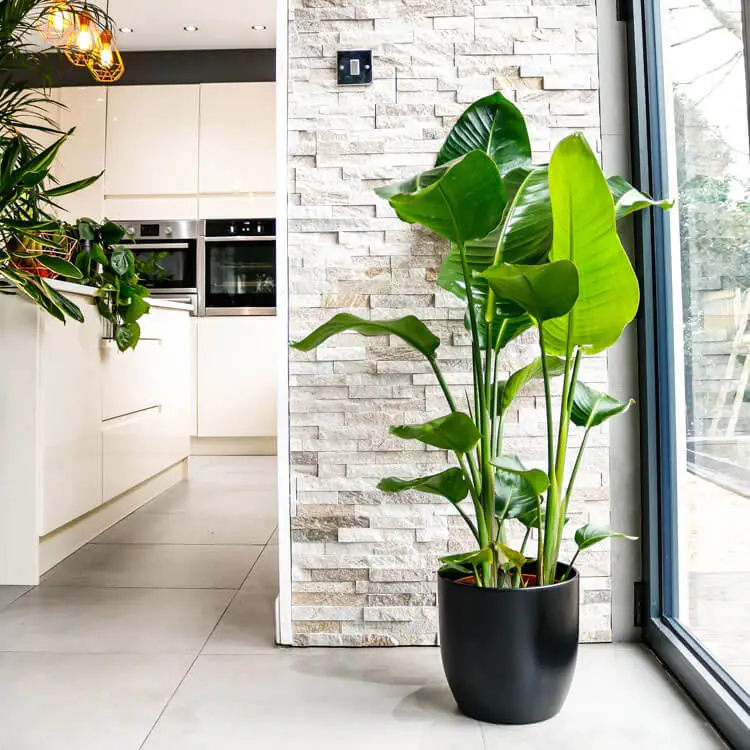
Cut flowers are lovely, but they’re gone in a week. A houseplant? That can last for years growing, changing, becoming part of someone’s home. It’s one of those gifts that keeps being appreciated long after the occasion has passed.
plant Christmas gifts range for seasonal ideas, or check out the best-selling plants if you want something tried, tested, and well loved.
Time to Bring Some Green Into Your Home?
Whether you’ve never owned a plant in your life or you’re already surrounded by them, there’s always room for one more. And the case for having them is genuinely strong better air, a calmer atmosphere, more focus, and a home that simply looks and feels more alive.
Plants-Depot has a wide range of indoor plants for home delivered fresh across the UK, with something for every room, budget, and level of experience. Take your time browsing and enjoy building your own little piece of greenery.
Frequently Asked Questions
1. Which indoor plants are genuinely good at purifying air?
The ones that tend to come up most in studies are Peace Lilies, Spider Plants, Snake Plants, Boston Ferns, and Pothos. They absorb a range of common household pollutants and are also reasonably easy to care for which makes them a solid starting point for anyone.
2. How many plants do I actually need to notice a difference?
There’s no magic number, but a rough guide is around one medium or large plant per 10 square metres of room space. Rather than cramming one room full of plants, spreading them across different rooms tends to work better. Your bedroom, living room, and home office are all good starting places.
3. Are houseplants safe around cats, dogs, and young children?
Not always, unfortunately. Some popular plants including Peace Lilies, Pothos, and Monstera are toxic if eaten by pets or small children. It’s always worth checking before you buy. You can keep these plants safely by placing them out of reach, or look specifically for non-toxic varieties if you have curious pets or toddlers at home.
4. I always seem to kill my plants. What am I doing wrong?
Nine times out of ten, it’s overwatering. Most people water too often rather than too little. The other common issue is putting a plant somewhere it looks nice but doesn’t actually get the right kind of light. Try starting with something genuinely low-maintenance a ZZ Plant or a Snake Plant and check the soil before you water rather than watering on a fixed schedule.
5. Can plants really help with stress and sleep?
There’s solid research suggesting they can, yes. Being around greenery has been shown to lower cortisol levels, and the act of caring for a plant even briefly each week has a grounding, calming effect that many people find genuinely helpful. For sleep specifically, plants that improve air quality and humidity in the bedroom can make for a more comfortable night, and varieties like lavender add a naturally soothing scent to the mix.


