
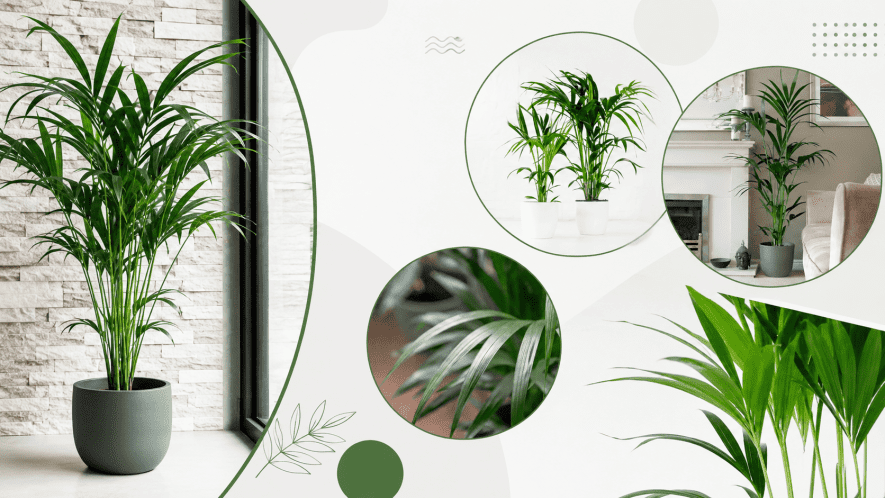
If you’re after an elegant, low-fuss houseplant that instantly makes a room feel more tropical, the Kentia Palm is hard to beat. With its graceful, arching fronds and relaxed island charm, it’s no wonder this plant has been a favourite in homes and hotel lobbies for well over a century. The good news? Kentia Palm care is genuinely simple once you understand what the plant likes. In this guide, we’ll walk through everything you need to know from light and watering to soil, humidity, feeding, and troubleshooting so your palm can thrive for years to come.
What is a Kentia Palm?
The Kentia Palm (botanical name Howea forsteriana) is a slow-growing, elegant palm originally from Lord Howe Island, a small island off the east coast of Australia. It’s sometimes called the thatch palm or paradise palm. Kentia Palms became hugely popular during the Victorian era, when they were used to decorate grand homes, hotels, and even ocean liners. That popularity has never really faded today, the Kentia Palm plant is still a go-to choice for interior designers, offices, and plant lovers who want something stylish but easy to live with. Grown indoors, a Kentia Palm typically, though it can take many years to get there thanks to its slow growth habit. This makes it a fantastic long-term investment for your space, it won’t outgrow your room overnight.
Why Kentia Palm indoor growing works so well
Unlike many palms that sulk when brought inside, the Kentia Palm has naturally adapted to lower light and stable indoor conditions. It tolerates central heating, air conditioning, and the occasional missed watering far better than most tropical plants, which is exactly why it’s considered one of the best palms for beginners.
How to Care for a Kentia Palm
Good Kentia Palm care really comes down to getting a handful of basics right: light, water, soil, temperature, humidity, and occasional feeding. Get these consistent, and your palm will largely look after itself.
Here’s a quick overview before we look at each factor in more detail:
- Bright, indirect light (tolerates low light too)
- Water when the top few centimetres of soil are dry
- Well-draining potting mix
- Warm, stable temperatures away from draughts
- Moderate humidity
- Light feeding during the growing season
- Repotting only every few years
Let’s break each of these down properly.
Light Requirements
Kentia Palms prefer bright, indirect light, but one of the reasons they’re so popular as indoor plants is their ability to cope with medium or even low light conditions.
Best spot: A few feet back from a bright window, or in a room that gets plenty of natural daylight without direct sun hitting the leaves.
What to avoid: Direct, harsh sunlight especially through south-facing windows as this can scorch the fronds and cause brown, crispy patches.
If your home doesn’t get much natural light, don’t worry. A Kentia Palm will still grow, just more slowly, in a shadier corner. This adaptability is one of the main reasons it’s so widely used in offices and hallways.
Signs your palm needs more (or less) light
- Pale, washed-out fronds → too much direct sun
- Sparse, leggy growth reaching toward a window → not enough light
- Rich green, upright fronds → your palm is happy
Soil Requirements
A Kentia Palm plant needs soil that holds a little moisture but drains well, since soggy roots are one of the quickest ways to run into trouble.
Ideal soil mix:
- A good-quality indoor potting mix as the base
- Perlite or coarse sand added for drainage
- A pot with proper drainage holes at the bottom
Avoid dense, compact soil that stays wet for long periods, as this encourages root rot. If you’re repotting or planting from scratch, choosing the right pot is just as important as the soil itself. You can browse suitable options in this range of plant pots designed with drainage and healthy root growth in mind.
Temperature and Humidity
Kentia Palms are native to a mild, temperate island climate, so they’re happiest with stable, moderate conditions rather than extremes.
Ideal temperature range
Aim for a consistent 16-24°C. Kentia Palms don’t appreciate sudden temperature swings, so keep them away from:
- Draughty doors and windows
- Cold windowsills in winter
- Heating vents and radiators
Humidity needs
While Kentia Palms will tolerate normal household humidity, they do appreciate a bit of extra moisture in the air, particularly during winter when central heating dries things out.
Simple ways to boost humidity:
- Mist the fronds a couple of times a week
- Group it with other houseplants
- Place the pot on a tray of pebbles and water
- Use a small humidifier nearby in drier months
Fertilising
Because Kentia Palms grow slowly, they don’t need heavy feeding. In fact, over-fertilising can do more harm than good.
When to feed: During the growing season (spring and summer).
What to use: A balanced, diluted liquid fertiliser, applied roughly once a month.
Winter care: Hold off on feeding altogether during autumn and winter, as the plant’s growth naturally slows down and excess nutrients can build up in the soil.
Repotting
Kentia Palms genuinely dislike being disturbed, and their roots are quite delicate, so repotting should be done sparingly typically once every 3–5 years.
When to repot
- Roots are visibly circling or growing out of the drainage holes
- Water runs straight through without being absorbed
- The plant has become noticeably top-heavy for its pot
How to repot safely
- Choose a new pot only around 2 inches wider than the current one Kentia Palms don’t like too much extra soil around their roots.
- Handle the root ball gently; avoid tugging or shaking off soil unnecessarily.
- Keep the plant at the same soil depth it was previously growing at.
- Water well after repotting and keep it out of direct sun for a week or two while it settles.
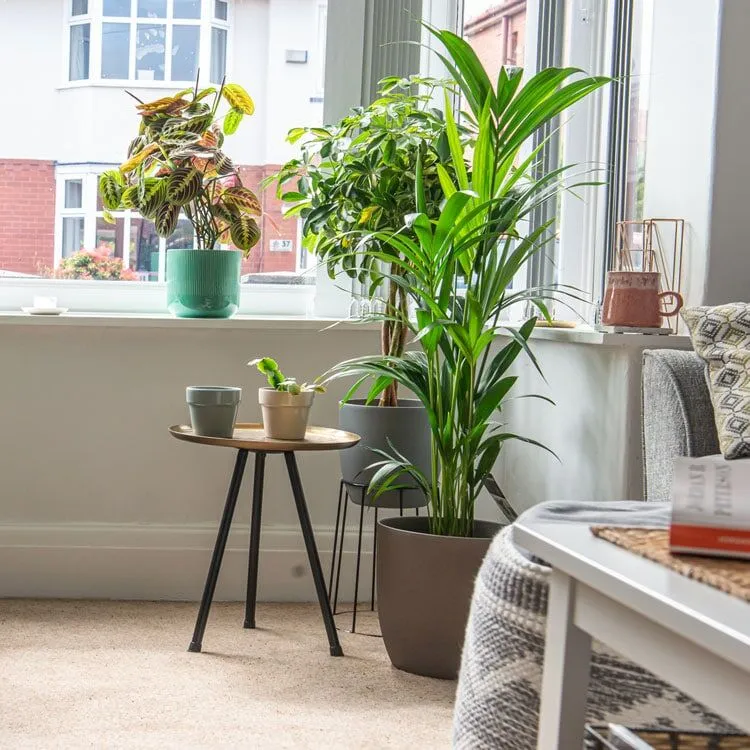
If you’re setting up a new plant corner at home, it’s worth pairing your repotting with the right tools and accessories this guide on how to choose the right houseplant accessories for your plants is a handy read.
Common Kentia Palm Problems
Even with good care, you might occasionally run into a few common issues. Here’s how to spot and fix them.
Brown leaf tips
Usually caused by low humidity, underwatering, or a build-up of minerals from tap water. Try filtered water, regular misting, and consistent watering.
Yellowing leaves
Most often a sign of overwatering or poor drainage. Let the soil dry out more between waterings and check that the pot drains freely.
Pests
Spider mites and mealybugs can occasionally appear, especially in dry indoor air. Wipe the fronds down regularly and treat any infestations with insecticidal soap or neem oil.
Dusty leaves
Not a disease, but dust build-up can block light absorption and dull the plant’s appearance. A gentle wipe with a damp cloth every few weeks keeps leaves glossy and healthy.
How to Keep a Kentia Palm Healthy Indoors
To sum up the essentials of long-term Kentia Palm indoor care:
- Place it in bright, indirect light away from harsh direct sun
- Water only when the topsoil has dried out
- Use well-draining soil and a pot with drainage holes
- Keep it in a warm room away from draughts
- Mist occasionally to maintain humidity
- Feed lightly during spring and summer only
- Repot rarely, and only when necessary
- Wipe leaves clean now and then to keep them dust-free
Follow these basics consistently, and your Kentia Palm plant will reward you with lush, healthy fronds for many years.
If you’d like to explore more greenery for your home, take a look at our full range of indoor plants, or if you fancy a low-maintenance alternative, our artificial plants collection is worth a browse too. For offices or events, we also offer hire indoor plants services, along with a range of plant accessories to keep all your greenery looking its best.
Conclusion
The Kentia Palm truly earns its reputation as one of the easiest, most rewarding indoor palms to grow. With the right light, sensible watering, and a little patience, it will quietly transform any room into a calmer, greener space without demanding much of your time. If you’re ready to bring home a plant that combines elegance with genuine ease of care, take a look at our Kentia Palm and give your space a lasting touch of tropical charm.
Frequently Asked Questions
How often should I water a Kentia Palm?
Water your Kentia Palm roughly every 7-10 days, or whenever the top 2-3 inches of soil feel dry. Always adjust based on your home’s temperature and the season, watering less often in winter.
How much light does a Kentia Palm need?
Kentia Palms prefer bright, indirect light but adapt well to medium or low-light spots too. Just avoid direct sunlight, which can scorch the fronds.
Why are my Kentia Palm leaves turning brown?
Brown tips are usually caused by low humidity, inconsistent watering, or mineral build-up from tap water. Try misting more often and switching to filtered water if the problem continues.
Is a Kentia Palm easy to care for?
Yes. The Kentia Palm is considered one of the easiest palms to grow indoors, thanks to its tolerance of lower light, average humidity, and occasional inconsistent watering.
When should I repot a Kentia Palm plant?
Repot only every 3-5 years, or when the plant becomes root-bound. Kentia Palms have delicate roots and generally prefer not to be disturbed too often.


