
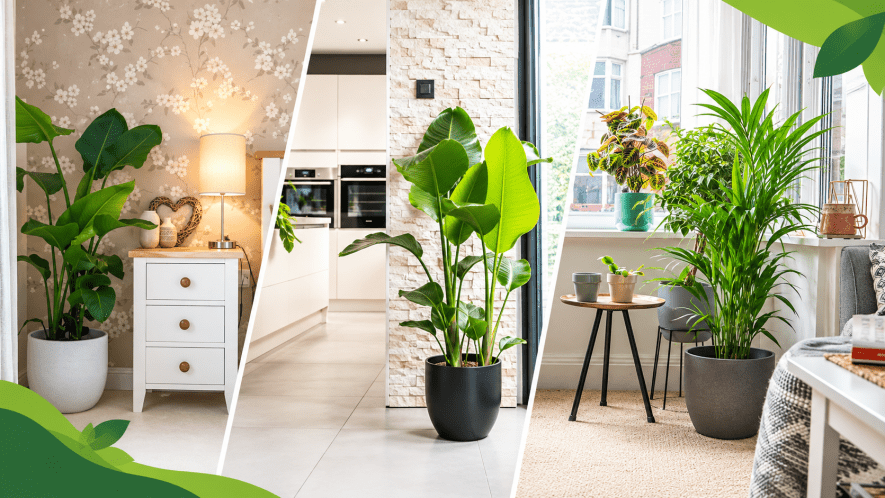
Both plants can turn a plain corner into a feature. They look very different, though, and they ask for different things from your home. This guide explains how the two compare, so you can pick the one that suits your light, space and routine.
Kentia Palm vs Bird of Paradise: The Main Differences
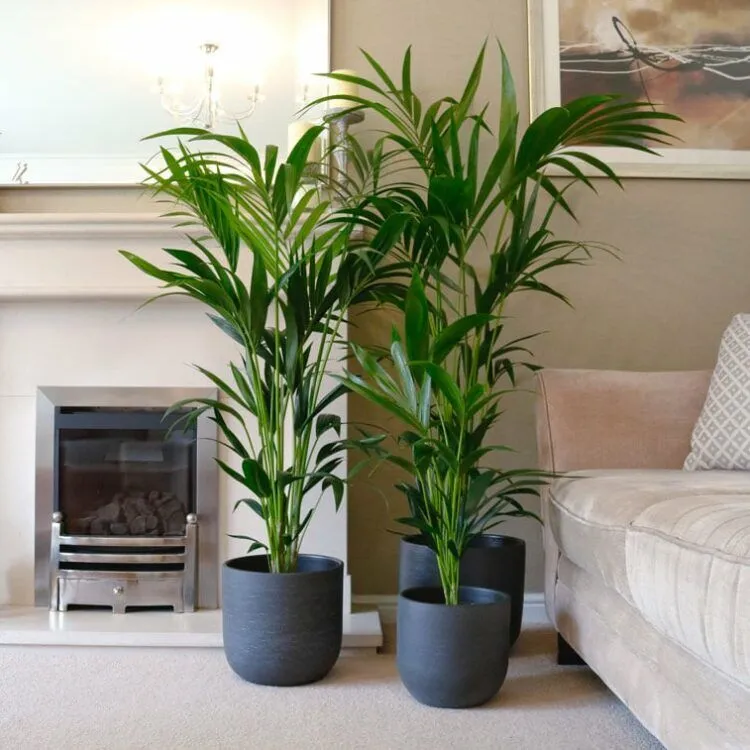
The Kentia Palm is calm and graceful. Its arching, feather-like fronds grow slowly and give a room a soft, elegant shape. It copes well with average indoor conditions, which makes it a dependable choice.
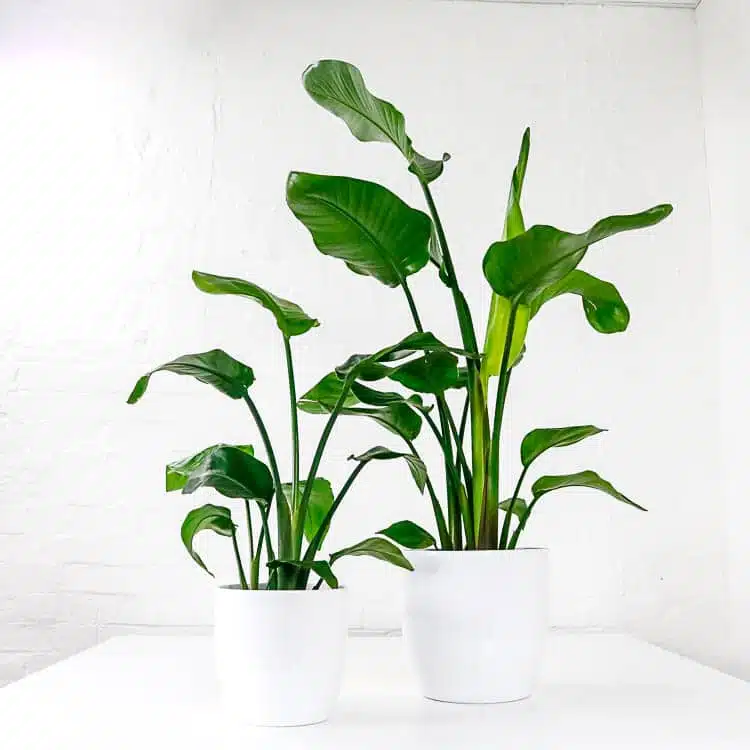
The Bird of Paradise makes a bolder statement. Its large, paddle-shaped leaves grow upright and fan outwards, giving a tropical look. It grows faster and wants more light.
In short, the Kentia Palm suits people who want a steady, low-drama plant. The Bird of Paradise suits people with a bright room who want a dramatic centrepiece.
Appearance and Growth Habits
Kentia Palm
A Kentia Palm grows from a slim, upright stem and carries long, gently curved fronds. The leaflets stay fine and glossy, and the plant keeps a tidy, symmetrical shape as it matures. Growth is slow, so it rarely outgrows its spot quickly.
Bird of Paradise
A Bird of Paradise grows broad, leathery leaves on long stalks. New leaves emerge tightly rolled, then unfurl one at a time. Older leaves may split along the veins, which is normal for this plant and often adds to its casual, tropical charm. Indoor plants flower only rarely, so choose one for its foliage.
Light Requirements
Light is the biggest difference between the two.
The Kentia Palm tolerates lower light better than most palms. It grows well in bright, indirect light, and it also copes with a shadier spot, such as a hallway or a room with a north-facing window. Growth slows in dim conditions, but the plant usually stays healthy.
The Bird of Paradise wants much more. Place it near a bright window, ideally with a few hours of gentle direct sun. In weak light, growth slows, new leaves come through smaller and the plant may lean towards the window. Turn the pot regularly so it grows evenly.
Watering Requirements
Both plants dislike sitting in soggy compost, so drainage matters more than any fixed schedule.
Kentia Palm care is simple. Water when the top few centimetres of compost feel dry, then let the excess drain away. In winter, when growth slows, water less often. Overwatering is the most common mistake with this plant.
Bird of Paradise care calls for a slightly more generous hand. It uses more water during its active growing season in spring and summer. Water thoroughly once the top 3–5 cm of compost feels dry, and empty the saucer afterwards. Reduce watering in cooler months.
Humidity and Temperature
Most homes suit the Kentia Palm without any extra effort. It handles average indoor humidity and comfortable room temperatures, roughly 15-25°C. Keep it away from cold draughts and hot radiators.
The Bird of Paradise prefers warmth and appreciates a little more humidity. Dry air can cause crispy leaf edges, particularly in centrally heated homes. Grouping plants together, or placing the pot away from radiators, helps. Wiping the large leaves with a damp cloth also removes dust and lets them absorb more light.
Growth Rate and Mature Size
The Kentia Palm grows slowly. Indoors, it can reach around 1.5-2.5 metres over many years, and it usually stays neat and controlled along the way. That slow pace suits people who want a plant that keeps its shape for a long time.
The Bird of Paradise grows faster, especially in good light. It can reach a similar height indoors, but its leaves spread wide and make it feel much larger. Expect to repot it more often, as it fills its container quickly.
Space Requirements
Think about width as well as height.
A Kentia Palm has a graceful but fairly contained outline. It works well beside a sofa, in a hallway or in a slightly narrow corner, because its fronds arch rather than sprawl.
A Bird of Paradise needs breathing room. Its broad leaves take up more space and can brush against walls or furniture. Leave a generous gap around it, and position it where the leaves can unfurl without being knocked.
Maintenance and Care Level
The Kentia Palm asks for less. It tolerates a missed watering better than most houseplants, copes with modest light and rarely needs repotting. Occasional dusting of the fronds and a regular feed in the growing season are enough for most owners.
The Bird of Paradise asks for a little more attention. It needs bright light, more water in summer, humidity awareness and a sturdier pot as it grows. None of this is difficult, but it suits someone who enjoys checking on their plants.
Kentia Palm Compared to Bird of Paradise: Quick Comparison Table
| Factor | Kentia Palm | Bird of Paradise |
| Light | Bright indirect; tolerates lower light | Bright light; some direct sun |
| Watering | When top few cm are dry | When top 3–5 cm are dry; more in summer |
| Humidity | Average household humidity | Prefers slightly higher humidity |
| Growth rate | Slow | Moderate to fast |
| Indoor height | Around 1.5-2.5 m | Around 1.5-2 m or more |
| Growth habit | Arching, feathery fronds | Upright, paddle-shaped leaves |
| Space needed | Moderate; slim footprint | Generous; wide leaf spread |
| Care level | Easy | Easy to moderate |
Which Plant Suits Lower-Light Spaces?
The Kentia Palm is the better choice for a lower-light room. It adapts to shadier positions, such as a hallway, a bedroom or a spot several metres from a window. It still prefers some daylight, so avoid true darkness.
Which Plant Suits Brighter Rooms?
The Bird of Paradise thrives in a bright room. A south- or west-facing window, a conservatory or a sunny living room gives it the light it needs to produce healthy new leaves. It also copes with these spots better than the Kentia Palm, which may prefer slightly softer light.
How to Choose Between Kentia Palm and Bird of Paradise
Ask yourself three questions.
- How much light does the room get? Bright, sunny space points to the Bird of Paradise. Moderate or lower light points to the Kentia Palm.
- How much space can you give? A tight corner suits the Kentia Palm. An open area suits the Bird of Paradise.
- How much time do you want to spend? A relaxed routine suits the Kentia Palm. If you enjoy hands-on plant care, the Bird of Paradise rewards the effort.
If you are still weighing up your options, our guide on how to choose the best indoor plants for every room at home covers light, space and style in more detail. Whichever way you lean, a Bird of Paradise vs Kentia Palm decision comes down to matching the plant to your conditions, not to which looks more impressive.
Conclusion
The main differences are clear. The Kentia Palm offers slow growth, elegant fronds and good tolerance of lower light. The Bird of Paradise offers bold leaves, faster growth and a taste for bright rooms and extra space. The right choice depends on your available light, the space you can spare and the level of care you can realistically give. If you are ready to choose, explore the Kentia Palm and the Bird of Paradise at Plants Depot to find the plant that fits your home.
FAQ
Is Kentia Palm easier to care for than Bird of Paradise?
Generally, yes. The Kentia Palm tolerates lower light, average humidity and occasional missed watering, so most beginners find it more forgiving.
Which needs more light, Kentia Palm or Bird of Paradise?
The Bird of Paradise needs more. It prefers bright light with some direct sun, while the Kentia Palm manages well in bright indirect light or moderate shade.
Which plant grows larger?
Both can reach roughly 1.5-2.5 metres indoors. The Kentia Palm grows taller and more slowly, while the Bird of Paradise grows faster and spreads wider.
How often should you water Kentia Palm and Bird of Paradise?
Check the compost rather than following a calendar. Water the Kentia Palm when the top few centimetres are dry, and the Bird of Paradise when the top 3-5 cm are dry. Water both less in winter.
Which plant is better for a lower-light room?
The Kentia Palm. It adapts to shadier spots far better than the Bird of Paradise.


