

Walk through any UK garden centre or scroll a home-styling feed and you will meet two camps: people who love watching a plant grow, and people who want greenery that simply stays put. The real vs artificial plants question has no single right answer. Your best choice depends on how much time you want to spend on upkeep, how much space you have, what you can afford and where the plants will live. This guide compares both options honestly, so you can choose the right mix of garden plants and artificial alternatives for your own space.
What Is the Difference Between Real and Artificial Plants?
Living plants grow, respond to the seasons and need water, light and suitable soil. They flower, drop leaves and put on new growth, and they can struggle when conditions are wrong.
Artificial plants do not grow or respond to seasonal changes. They keep the same shape and colour, need no watering or sunlight and only need an occasional dust or wipe. How long they last depends on their materials, position and exposure, so check each product’s details.
What Are the Benefits of Real Plants?
The benefits of real plants come from the fact that they are alive:
- Natural growth and seasonal change. A deciduous shrub such as an acer shifts through the year, adding colour and texture that a fixed display cannot copy.
- Garden structure. Beds, borders, hedges and trees give a garden layers, height and a sense of place.
- Support for wildlife. Living plants can support biodiversity when suitable species are grown in appropriate conditions. Flowering choices, such as pollinator shrubs, can offer food for bees and other insects.
- Care you can plan for. Most need regular watering, the right amount of light and some seasonal attention. Matching each plant to its spot makes that routine far easier.
What Are the Benefits of Artificial Plants?
The benefits of artificial plants suit people who want greenery without the routine. If you want a no-watering option for a garden space, start with the artificial garden plants range.
- Low-maintenance greenery. No watering, feeding or pruning.
- No sunlight needed. They work in dim corners where living plants may struggle.
- Consistent appearance. They look the same in January and July.
- Suitable for selected spaces. Many are designed for indoor use, and some ranges are made for sheltered or outdoor positions.
- Easy cleaning. Most only need dusting or a wipe, though durability varies by material and product.
They have limits too. Artificial plants do not grow, flower or change with the seasons, and they can fade or wear over time. They also do not provide the same habitat or food sources for wildlife as living plants. Their environmental impact depends partly on materials, manufacture, lifespan and disposal, so choosing durable products and keeping them in use for longer can help reduce unnecessary replacement.
Real Plants vs Artificial Plants: Key Differences
| Factor | Real plants | Artificial plants |
| Initial cost | Varies by size and variety | Varies by size and quality |
| Ongoing costs | Compost, feed, water and possible replacements | Little beyond cleaning |
| Watering and maintenance | Regular watering, pruning and seasonal care | Occasional dusting or wiping |
| Sunlight | Needs light suited to the species | None required |
| Appearance and growth | Grows, flowers and changes with the seasons | Stays the same all year |
| Lifespan and durability | Depends on suitable conditions and care | Depends on materials and exposure |
| Environmental impact | Can support pollinators and wildlife when suitably chosen | Manufactured product with no ecological benefit |
| Suitability | Gardens, borders, patios and bright indoor spots | Dim rooms, shelves and selected outdoor spots |
Which Plants Are Best for Your Home and Garden?
Living rooms and indoor spaces
If a room gets little light, artificial plants for living rooms give you greenery without worrying about sunlight. For shelves and side tables, small artificial plants fit tight spaces. The artificial peperomia plant is one example: its product page describes heart-shaped leaves and a terracotta-style pot already attached, and lists it for indoor use. A bright windowsill, by contrast, suits a living plant well.
Patios and balconies
Containers of living plants add scent, colour and growth, but they need watering and a position that suits them. Exposed balconies can be windy, so choose sturdy varieties. Artificial pieces work here only if the product is designed for outdoor use.
Garden beds and borders
Real plants are the natural choice for traditional beds and borders. They root in the soil, fill out over time and give gardens their seasonal rhythm.
Garden screening and privacy
Living hedging grows into a natural screen, though it takes time to establish. For an immediate visual screen, outdoor-rated artificial hedging or screening can work, provided its materials and fixings suit the location. You can browse hardy and privacy artificial plants and check each product’s specification.
Busy households
Low-maintenance does not have to mean artificial. Many living plants stay easy to look after when you match them to the right light, soil and exposure, and low-maintenance shrubs are a good place to start. If you want greenery without watering or pruning, artificial plants may be a more convenient option.
Are Artificial Plants Suitable for UK Gardens?
Some are, but not all. British weather means rain, wind, frost and changing sunlight, and not every artificial plant is built for that. Products made for indoor use may fade or deteriorate outdoors. Before you buy, check the description for outdoor suitability, UV resistance and weather guidance. A sheltered position may help, but it does not replace a proper outdoor specification.
Can You Combine Real and Artificial Plants?
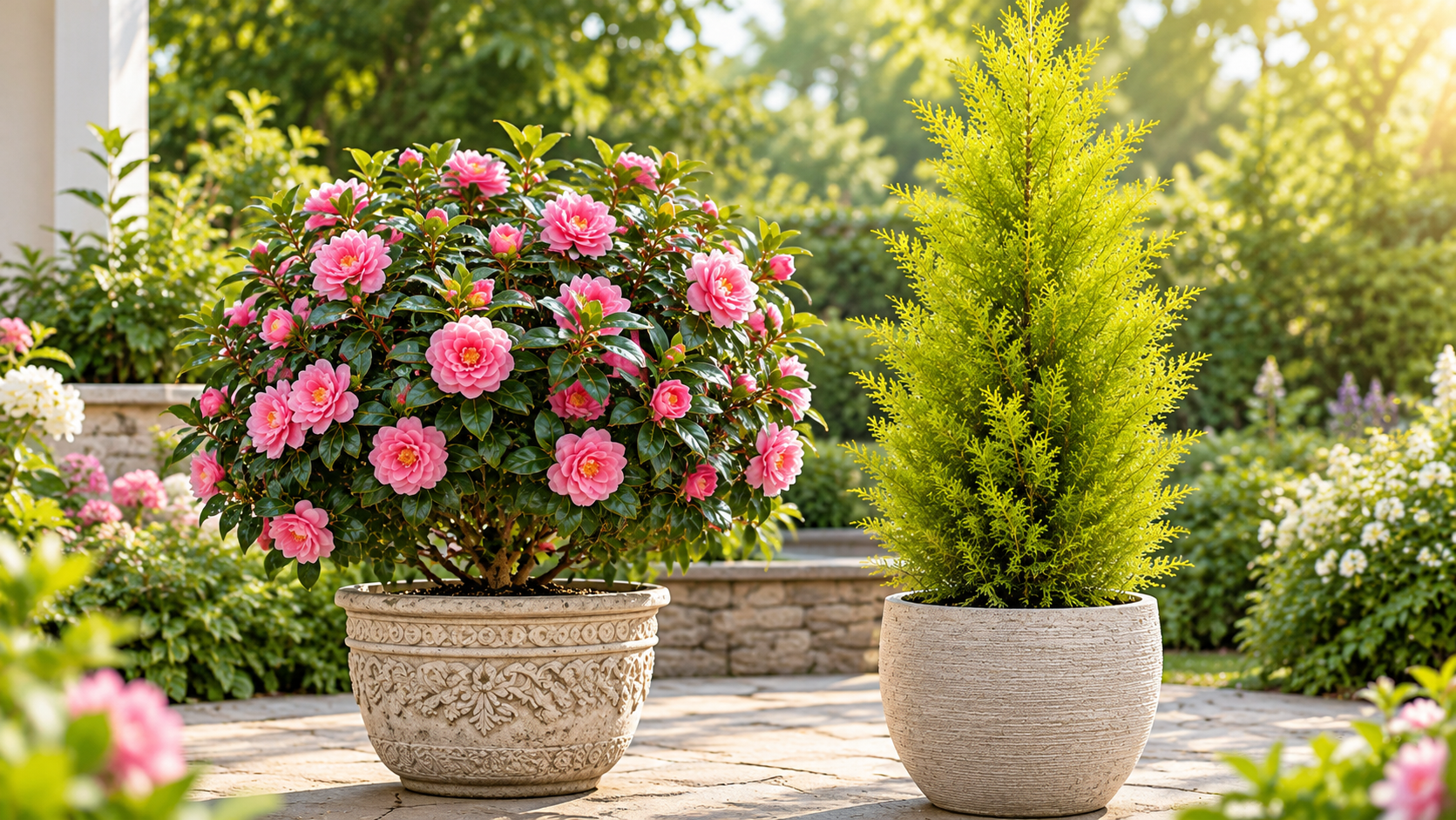
Yes, and many people do. You might plant living shrubs in a bright border and place artificial greenery in a shady corner or a hard-to-reach pot. Give every living plant the light, water and drainage it needs, and put artificial pieces where the weather will not harm them. Matching pots across both types helps the display look cohesive.
How to Choose Between Real and Artificial Plants
- Budget: Compare total cost over time, including compost, feed, pots and replacements for real plants.
- Maintenance time: Be honest about how much watering and pruning you will actually do.
- Space and light: Bright, open spaces suit living plants. Dark or awkward spots may suit artificial ones.
- Personal preference: If you enjoy growth, scent and seasonal change, choose real. If you prefer a fixed look, choose artificial.
- Location: Check that any artificial plant is rated for where you plan to put it.
Conclusion
Real plants bring growth, seasonal change and a chance to support pollinators, but they ask for care and the right conditions. Artificial plants offer steady, low-effort greenery for the right spaces, yet they cannot match the ecological value of living plants. For many homes and gardens, a considered mix works best. Ready to add greenery to your space? Explore the Plants Depot garden collection to find living plants and suitable artificial options for your home or garden.
Frequently Asked Questions
Are real plants better than artificial plants?
Neither is better in every situation. Real plants grow, change with the seasons and can support wildlife, but they need suitable conditions and care. Artificial plants need very little upkeep and look the same all year, but they offer no ecological benefit. The right choice depends on location, budget and time.
What are the benefits of artificial plants?
Artificial plants need no watering, feeding or sunlight, so they suit dim corners and busy households. They keep a consistent look all year and only need occasional dusting. Some are made for sheltered or outdoor use, but suitability varies, so check each product’s specification.
Are artificial plants suitable for outdoor gardens?
Some are, but not all. Outdoor-suitable products are made to cope with rain, wind and sunlight, while indoor ones may fade or deteriorate outside. Read the product description for outdoor or UV-resistance details before placing any artificial plant in an exposed spot.
Which plants are best for a low-maintenance garden?
The best choice depends on your site. Plants that suit your light, soil and exposure usually need less attention. Evergreen shrubs, hardy hedging and many perennials are popular low-maintenance options. Check each plant’s care details, including its final size, before you buy.
Are real plants cheaper than artificial plants?
Prices vary widely by size and variety, so neither is always cheaper. Real plants add running costs such as compost, feed and water, and may need replacing if conditions do not suit them. Artificial plants have almost no running costs but will not grow or fill out. Compare total cost over the period you plan to keep them.


