A good indoor palm changes a room. It adds height, softens hard corners and brings a relaxed, leafy feel to living rooms, hallways and offices. Two names come up more than any others: the Areca Palm and the Kentia Palm.
They look similar at first glance, yet they behave quite differently once they settle in. This guide compares Areca Palm vs Kentia Palm side by side, covering appearance, size, light, watering and upkeep, so you can pick the best indoor palm for your space and your routine.
What Is an Areca Palm?
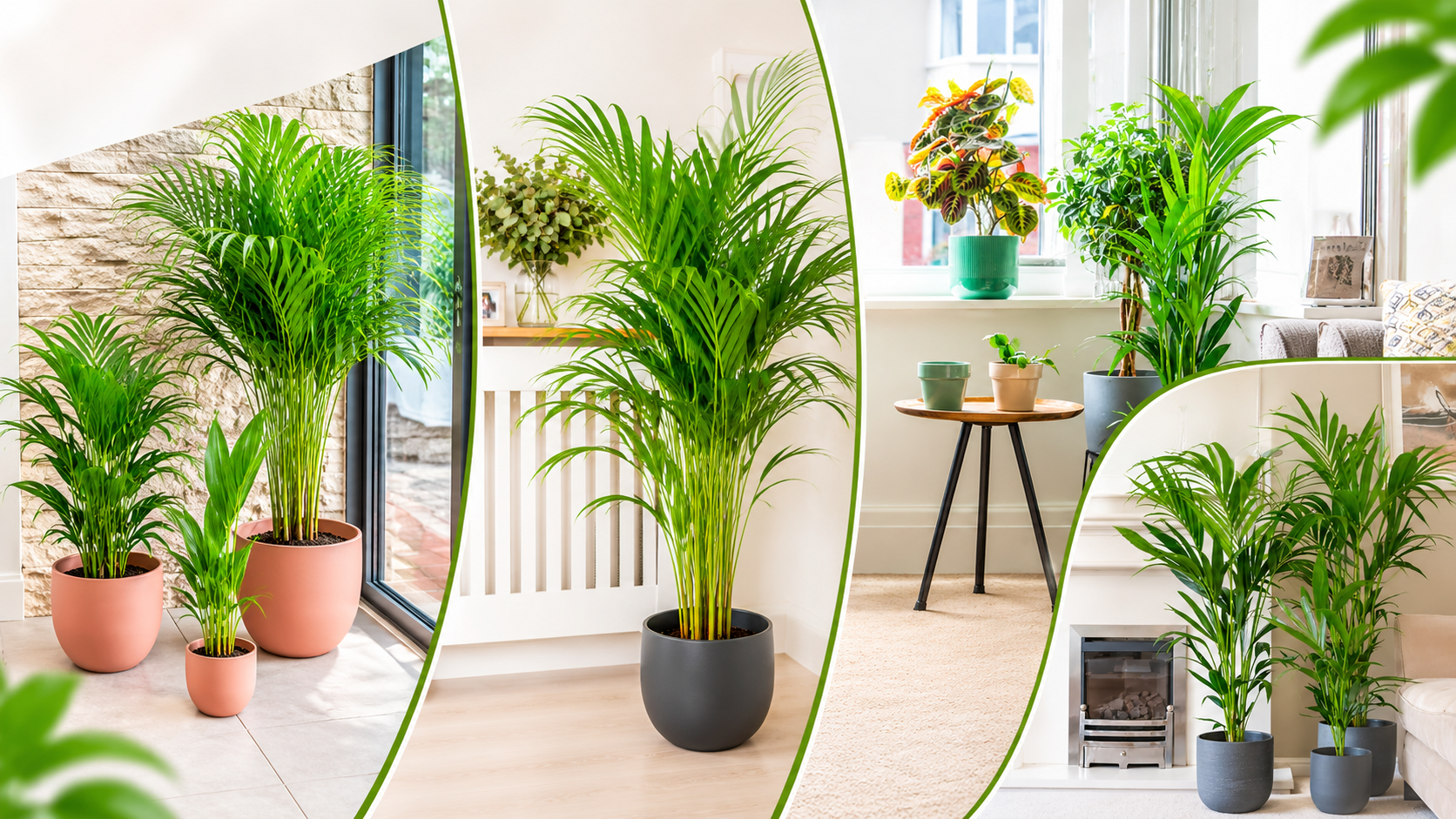
The Areca Palm (Dypsis lutescens), also sold as the butterfly palm or golden cane palm, comes from Madagascar. It grows as a clump of slender, cane-like stems, and each stem carries long, feathery fronds in a bright yellow-green. The result looks full, airy and tropical.
Indoors, an Areca Palm grows at a steady pace and usually fills out quickly. It suits bright rooms best, such as a living room near a window or a conservatory with filtered light. It also loves company: its dense, bushy shape makes a lovely natural screen or a lush focal point. Want that full, feathery look? Browse the Areca Palm at Plants Depot and choose the size that fits your room.
What Is a Kentia Palm?
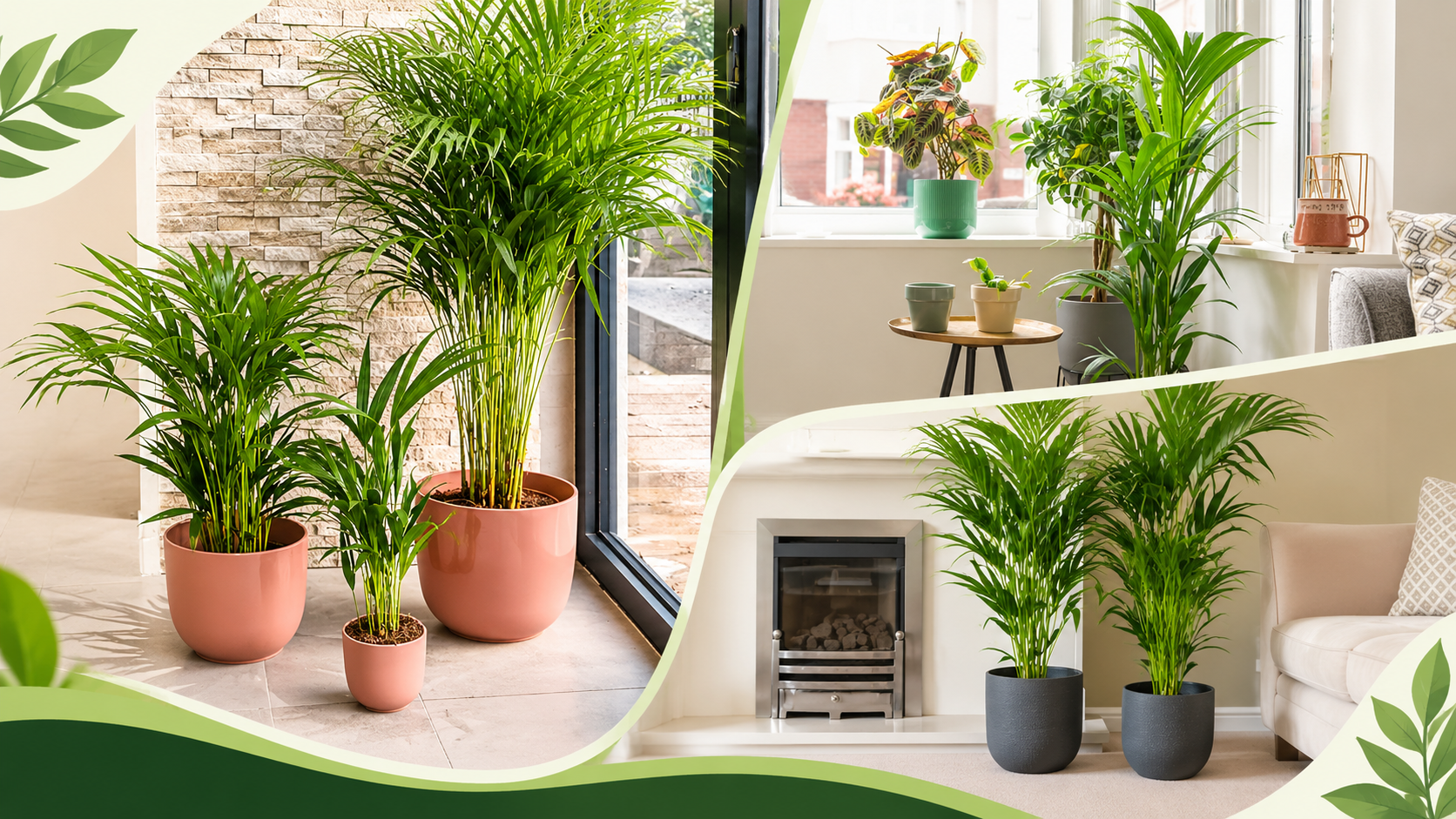
The Kentia Palm (Howea forsteriana) comes from Lord Howe Island, off the coast of Australia. It has long, dark green fronds that arch gracefully outwards from upright stems. The look is polished and understated, which explains why designers have favoured it in hotels, offices and period homes for generations.
Kentia Palms grow slowly, so they hold their shape for years without constant trimming. They also cope well with the everyday conditions of UK interiors, including lower light and drier air from central heating. That reliability suits both residential and commercial spaces. If you prefer a refined, architectural plant, explore the Kentia Palm range at Plants Depot.
Areca Palm vs Kentia Palm: Key Differences
Both palms bring a tropical feel indoors, but they suit different rooms and different plant owners. Here is how they compare.
Appearance and Foliage
The Areca Palm has slim, golden-green stems and fine, feathery fronds that give a bushy, full look. The Kentia Palm has deeper green, broader fronds on arching stems, which creates a more structured and elegant outline.
Growth Rate and Mature Size
Areca Palms grow faster and often reach full size sooner. Kentia Palms grow noticeably slower, but they usually become taller and more imposing over time. Exact height depends on pot size, light and care, so treat any figure as a rough guide rather than a promise.
Light, Water and Humidity
Areca Palms prefer bright, indirect light, regular watering and a little extra humidity. Kentia Palms tolerate lower light, need less frequent watering and cope better with dry indoor air.
| Feature | Areca Palm | Kentia Palm |
| Foliage | Feathery, yellow-green fronds | Arching, deep green fronds |
| Growth rate | Faster | Upright, elegant and open |
| Light | Bright, indirect light | Tolerates lower light; prefers bright to medium |
| Watering | Keeps compost lightly moist | Lets the top layer dry between waterings |
| Humidity | Likes moderate humidity | Copes well with average household air |
| Maintenance | Moderate | Low to moderate |
| Best for | Bright living rooms, conservatories | Hallways, offices, shadier rooms |
| Pet safety | Generally non-toxic to cats and dogs | Generally non-toxic to cats and dogs |
Areca Palm vs Kentia Palm Care
Both palms stay healthy with simple routines. Their needs differ in a few important ways.
Caring for an Areca Palm
- Light: Place it in bright, indirect light. Strong direct sun can scorch the fronds and turn them pale or crispy.
- Watering: Water when the top few centimetres of compost feel dry, and never leave the pot sitting in water. The Areca Palm likes steady moisture, so avoid letting it dry out completely.
- Humidity: Mist occasionally or group it with other plants. Dry air from radiators often causes brown leaf tips.
- Water quality: Areca Palms can react to heavily treated tap water. If brown tips keep appearing, switch to rainwater or filtered water.
- Feeding: Apply a balanced liquid feed every month or so in spring and summer.
Caring for a Kentia Palm
- Light: Give it medium to bright, indirect light. It tolerates lower light better than most palms, though growth slows in very dim rooms.
- Watering: Let the top layer of compost dry slightly between waterings. Overwatering causes far more problems than underwatering, so check before you pour.
- Humidity: It copes well with typical household air, though an occasional wipe of the leaves keeps them fresh.
- Repotting: Kentia Palms enjoy being slightly root-bound. Repot only when roots push through the drainage holes.
- Feeding: Feed lightly during the growing season. Skip feeding in winter.
Keeping the Foliage Healthy
Wipe dusty fronds with a damp cloth, turn the pot occasionally so growth stays even, and trim only fronds that have fully browned. Keep both palms away from radiators and draughty doors.
Which Palm Is Better for Different Indoor Spaces?
- Living rooms: The Areca Palm suits a bright living room with plenty of window light. A Kentia Palm works well where you want a calmer, more formal look.
- Bedrooms: Both palms fit here. The Kentia Palm’s tidy shape suits smaller or quieter corners, while the Areca Palm adds a soft, airy feel near a bright window.
- Offices: The Kentia Palm tends to win. It handles artificial lighting, dry air and irregular care better than most indoor palm trees.
- Hallways: Choose the Kentia Palm. Its tolerance of lower light makes it a dependable hallway plant.
- Larger interiors: Both work, but the Kentia Palm brings height and presence to reception areas and open-plan spaces.
- Low-light homes: The Kentia Palm copes best. The Areca Palm will struggle without enough bright, indirect light.
Still weighing up other statement plants? Our guide to Kentia Palm vs Bird of Paradise shows how the Kentia Palm compares with another popular indoor favourite.
Which Indoor Palm Is Easier to Maintain?
The Kentia Palm is generally the easier option. It tolerates lower light, needs less frequent watering and forgives the odd missed week. That makes it a sensible pick for beginners, busy households and offices.
The Areca Palm asks for a little more attention. It needs brighter light, steadier moisture and some extra humidity. Owners who enjoy a regular plant routine usually find it rewarding, and it responds quickly with fresh growth when conditions suit it.
Areca Palm vs Kentia Palm: Which One Should You Choose?
Let your space and lifestyle decide.
- Choose the Areca Palm if you have a bright room, like a full and feathery look, and enjoy a regular care routine.
- Choose the Kentia Palm if your room gets less light, you prefer an elegant and structured plant, or you want something low-fuss that lasts for years.
Both palms look wonderful in the right spot. Match the plant to the light you actually have, and it will reward you.
Conclusion
The Areca Palm vs Kentia Palm choice comes down to light, style and how much time you want to spend on plant care. The Areca Palm brings a full, feathery look to bright rooms. The Kentia Palm brings elegance and resilience to almost any interior, including shadier ones. Ready to choose? Explore the Areca Palm and Kentia Palm at Plants Depot, and bring home the indoor palm that suits your space.
Frequently Asked Questions (FAQs)
What is the main difference between Areca Palm and Kentia Palm?
The main difference is shape and tolerance. Areca Palms have bushy, feathery, yellow-green fronds and prefer bright light. Kentia Palms have arching, deep green fronds and cope better with lower light and drier air. The Kentia Palm also grows more slowly.
Is Areca Palm easier to care for than Kentia Palm?
No, the Kentia Palm is usually easier. It tolerates lower light, irregular watering and dry household air. The Areca Palm needs brighter light, more consistent moisture and extra humidity to avoid brown tips, so it suits owners who enjoy a more hands-on routine.
Which is better for low-light rooms: Areca Palm or Kentia Palm?
The Kentia Palm is better for low-light rooms. It handles shadier spots well, although growth slows in very dim conditions. The Areca Palm needs bright, indirect light and often looks thin or pale in darker corners, so keep it near a window.
How often should you water Areca Palm and Kentia Palm?
There is no fixed schedule, so check the compost first. Water an Areca Palm when the top few centimetres feel dry. Let the top layer of a Kentia Palm’s compost dry slightly between waterings. In winter, both plants need less water than in summer.
Which indoor palm grows taller, Areca Palm or Kentia Palm?
The Kentia Palm usually reaches a greater height over time, though it grows slowly. The Areca Palm grows faster and fills out sooner, but tends to stay bushier. Final size depends on pot size, light and care, so treat any height as an estimate.
Are Areca Palm and Kentia Palm safe for pets?
Both are generally considered non-toxic to cats and dogs. Even so, chewing any plant can upset a pet’s stomach, so discourage nibbling. If your pet eats a large amount or seems unwell, contact your vet for advice.
Can Areca Palm and Kentia Palm grow indoors all year round?
Yes, both palms grow well indoors all year round in typical UK homes. Keep them away from cold draughts and radiators, and protect them from frost. Cut back on watering during the darker winter months, when growth slows.
Which palm is better for beginners?
The Kentia Palm is the better choice for beginners. It forgives missed waterings, tolerates lower light and copes with dry indoor air. The Areca Palm suits beginners with a bright room who are happy to check the compost regularly.