

Walk into almost any UK home right now and there’s a good chance you’ll spot a Monstera by the window or a snake plant tucked into a hallway corner. Indoor plants have quietly become one of the biggest home trends of the decade, and it’s not just about looking good on Instagram. More of us are working from home, spending longer indoors, and looking for simple ways to make our spaces feel calmer and healthier and greenery does exactly that.
If you’re thinking about bringing some plants into your own home, buying online is now the easiest way to do it. But it’s not quite as simple as picking the prettiest photo and clicking “add to basket.” This guide walks you through everything worth knowing before you buy indoor plants online, from choosing the right plant for your light and lifestyle to avoiding the mistakes that trip up first-time plant owners.
Why Indoor Plants Are Booming in UK Homes
A few things have come together at once. Smaller flats and terraced houses have made people more creative about using windowsills, shelves, and corners. Remote and hybrid working has meant more time spent looking at the same four walls, which has pushed people to make their homes feel more alive. And there’s a growing, well-documented interest in wellbeing and biophilic design, the idea that surrounding yourself with natural elements genuinely improves how you feel. Add in the convenience of ordering plants online, with next-day delivery and care instructions included, and it’s easy to see why the UK houseplant market has grown so quickly.
The Real Benefits of Keeping Indoor Plants at Home
It’s not just decoration. Indoor plants offer some genuine, well-established benefits:
- They improve air quality. Many houseplants absorb carbon dioxide and release oxygen, and some are particularly good at filtering out common indoor pollutants.
- They can lower stress. Caring for plants and simply having greenery nearby is linked to reduced stress and improved mood.
- They add natural humidity. Plants release moisture through their leaves, which can help with dry indoor air, especially in winter when the heating is on.
- They boost focus and productivity. This is one reason plants have become a staple in home offices.
- They make a space feel finished. A living room or hallway with a well-placed plant instantly feels warmer and more considered.
What to Consider Before Buying Indoor Plants Online
This is the question most people search for, and rightly so what should I consider before buying indoor plants online? Before you buy, think through these five things:
- Light levels in the room. Does the spot get direct sun, bright indirect light, or very little light at all?
- Room size and available space. A large floor plant needs room to spread; a small desk plant needs very little.
- Humidity. Bathrooms and kitchens are naturally more humid than bedrooms or hallways.
- How much time you can realistically give it. Be honest about your schedule, not aspirational.
- Pets or children in the house. Some popular plants are toxic if chewed, so it’s worth checking before you buy.
Getting these five things right before you order is the single biggest factor in whether a plant thrives or struggles.
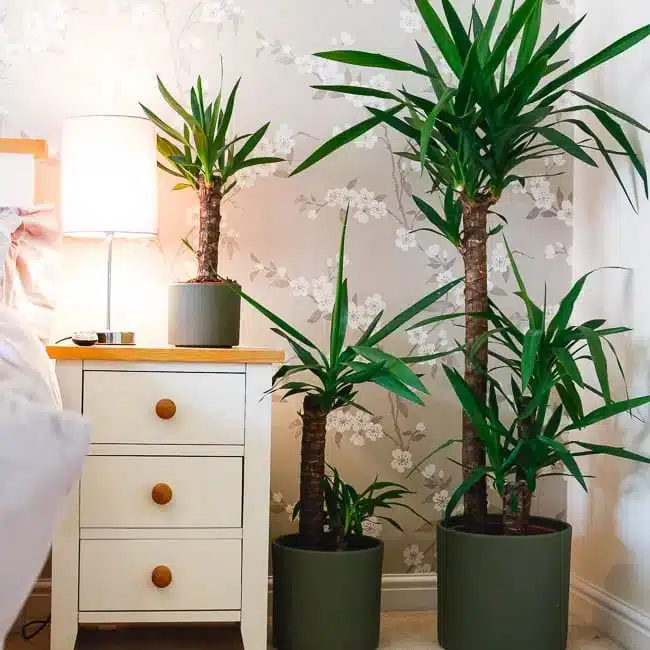
How to Choose Indoor Plants: Light, Room Size, Humidity, Maintenance and Lifestyle
By Light
- Bright, direct light: Yucca Plant, most succulents and cacti
- Bright, indirect light: Swiss Cheese Plant, Bird of Paradise
- Low light: Cast Iron Plant, ZZ Plant, snake plant these are the answer if you’re asking which indoor plants need very little sunlight
By Room Size
Large rooms with high ceilings can take a statement plant like a Kentia Palm or Areca Palm without it looking crowded. Smaller rooms or flats often work better with compact plants that add greenery without eating up floor space. Plants Depot’s small plants collection is worth browsing here, or hanging plants if floor space is tight.
By Humidity
If a room is naturally humid (bathroom, kitchen), plants like ferns and peace lilies do well. Drier rooms suit hardier options like the Cast Iron Plant or Money Tree.
By Maintenance Level and Lifestyle
Be realistic. If you travel often or forget to water things, choose from an easy-care plants range rather than something fussy.
Easy Care Indoor Plants for Beginners
If you’re new to plant parenting, which indoor plants are easiest to maintain? Start with these:
- Cast Iron Plant – genuinely hard to kill, tolerates neglect and low light
- Yucca Plant – thrives on minimal watering
- Money Tree – forgiving and adapts to most indoor conditions
- Snake Plant – needs watering roughly once every two to three weeks
These answer the common question, what are the best indoor plants for beginners, and they’re a safe starting point before you branch into anything more demanding.
Air-Purifying Indoor Plants and Their Advantages
Plants that are known for helping filter indoor air include the Swiss Cheese Plant, Areca Palm, and Cast Iron Plant. Beyond the air quality angle, these plants also add humidity and a fuller, greener look to a room. Plants Depot’s air-purifying plants group these together if this is your main priority.
Large vs Small Indoor Plants Which Is Right for Your Home?
There’s no single right answer here it depends on the room.
Large plants (like the Kentia Palm or Bird of Paradise) work as a focal point in a living room or hallway with good natural light and enough floor space to let the plant breathe.
Small plants suit desks, shelves, windowsills, and flats where floor space is limited. They’re also a lower-commitment way to start if you’re not sure how much time you’ll have for plant care.
Browsing Plants Depot’s large plants and small plants collections side by side is a good way to judge scale before you buy.
Common Mistakes People Make When Buying Indoor Plants
- Overwatering. This is the single most common cause of plant death, not underwatering.
- Ignoring light requirements. A plant that needs bright indirect light will slowly decline in a dark corner.
- Buying on looks alone. A stunning photo doesn’t tell you whether the plant suits your home’s conditions.
- Not checking pot size or drainage. A pot with no drainage holes is a common reason for root rot.
Practical Indoor Plant Care Tips
- Watering: Check the top inch of soil before watering if it’s dry, water; if it’s damp, wait. This directly answers how often indoor plants should be watered, and for most houseplants that’s roughly once a week, though this varies by species and season.
- Lighting: Rotate plants every few weeks so they grow evenly rather than leaning toward the light.
- Humidity: Group plants together or mist them occasionally, especially in winter when central heating dries out the air.
- Cleaning: Wipe large leaves with a damp cloth to remove dust and help the plant photosynthesise properly.
- Feeding: Use a diluted liquid feed during spring and summer growing months; most plants need little to no feeding in winter.
- Repotting: If roots are visible at the drainage holes or growth has stalled, it’s time to move up a pot size, ideally in spring.
Checklist: Things to Check Before Buying Indoor Plants Online
- Light levels in the room the plant will live in
- Available floor or shelf space
- Room humidity (bathroom vs bedroom vs living room)
- Your realistic time for weekly care
- Whether you have pets or children in the home
- Pot size, drainage, and whether a pot is included
- Delivery timescale and how the plant is packaged for transit
- Return or replacement policy in case of damage on arrival
Why Buying Indoor Plants Online Is Convenient and Cost-Effective
Where can I buy indoor plants online in the UK? More people are searching this each year, and for good reason. Online plant shopping means:
- Browsing a far wider range than most local garden centres stock
- Comparing plants by light needs, room, and size from your sofa
- Getting care instructions included with delivery
- Often paying less than boutique in-person plant shops, without sacrificing quality
Plants Depot’s indoor plants collection is built around exactly this helping you filter by room, light, and care level rather than scrolling through everything at once.
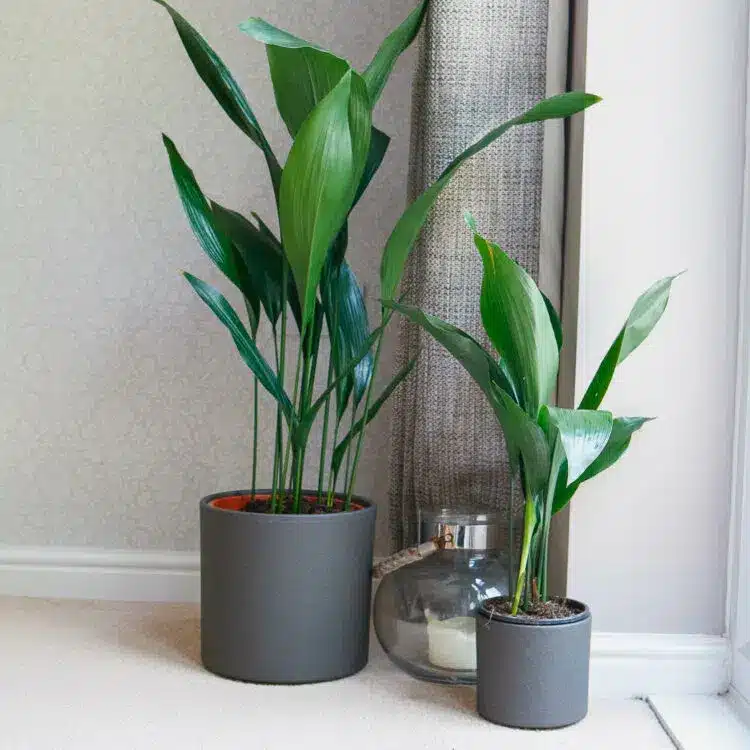
Creating a Healthy, Stylish Indoor Space with Plants
The best indoor spaces usually mix plant sizes and shapes rather than sticking to one type. Try pairing a tall statement plant like a Kentia Palm with a few smaller pieces on shelves, and add a hanging plant near a window for extra dimension. Choosing the right plant accessories like a moisture meter or a simple watering can makes ongoing care much easier too. And if you’ve got outdoor space as well, it’s worth browsing garden plants to bring the same greenery outside.
Final Thoughts
Bringing indoor plants into your home doesn’t need to be complicated. Match the plant to your light, space, and lifestyle, avoid the most common beginner mistakes, and you’ll end up with a space that feels calmer, greener, and genuinely more liveable. Ready to find your next plant? Explore the full Indoor Plants collection at Plants Depot and find the right fit for every room in your home.
FAQs
1. What should I consider before buying indoor plants?
Light, humidity, room size, how much time you can give to care, and whether you have pets or children at home.
2. Which indoor plants are easiest to maintain?
Cast Iron Plant, Yucca Plant, Money Tree, and snake plants are all known for tolerating irregular watering and varied light.
3. Which indoor plants need very little sunlight?
Cast Iron Plant and ZZ Plant both cope well in low-light corners and hallways.
4. What are the best indoor plants for UK homes?
Given the UK’s often lower natural light and central heating in winter, hardy options like the Cast Iron Plant, Money Tree, and snake plant tend to do best.
5. How often should indoor plants be watered?
Most houseplants need watering roughly once a week, but always check the soil first when the top inch feels dry rather than sticking to a fixed schedule.


