
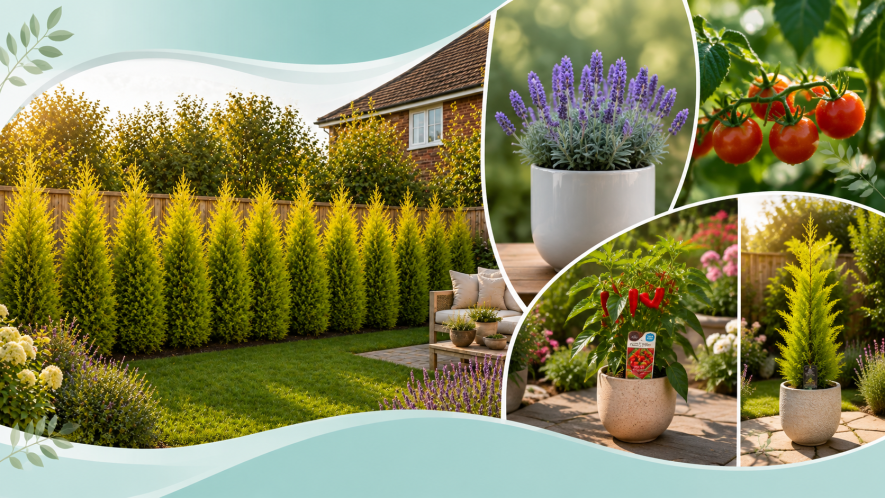
Quick answer: To choose the right garden plants, match them to your garden’s sunlight, soil type, size and the UK’s variable weather, then factor in how much maintenance you’re willing to do. Beginners and small gardens generally do best with hardy, low-maintenance plants suited to their aspect (sun or shade).
Choosing the right garden plants can feel overwhelming, especially if you’re new to gardening. With so many options available, it’s easy to end up with plants that simply don’t suit your space, your soil, or the UK’s unpredictable weather. The good news is that picking the right garden plants doesn’t need to be complicated. Once you understand a few basics about your garden, its size, light, soil and local climate you can build a garden that thrives with minimal fuss.
This guide walks you through everything you need to know to choose the best garden plants for a UK home, whether you’ve got a sprawling lawn, a compact patio, or a small balcony. Browse our full range of garden plants as you read to see what’s currently in stock.
Why Choosing the Right Garden Plants Matters
Every garden is different. A plant that flourishes in one garden might struggle in another simply because the conditions don’t match. Choosing plants that suit your specific space means:
- Less time spent replacing plants that fail to grow
- Lower maintenance and watering needs
- A garden that looks good in every season
- Healthier, more resilient plants overall
The key rule most gardeners swear by is “right plant, right place.” Once you get this right, everything else becomes much easier.
How to Choose Garden Plants for Your Space
Before you start buying, it’s worth spending a little time understanding your garden across six factors.
1. Garden Size
Larger gardens give you room to experiment with trees, shrubs and mixed borders. Smaller gardens, patios and balconies need plants that stay compact or grow well in containers.
2. Sunlight
Take note of how much sun different areas of your garden receive throughout the day. Full sun (six or more hours of direct light), partial shade and full shade each suit a different set of plants, see the reference table further down for specific varieties.
3. Soil Type
UK gardens commonly have clay, sandy, chalky or loamy soil, and each drains differently. A quick way to check is to squeeze a handful of damp soil if it holds together tightly, it’s likely clay, if it falls apart easily, it’s sandy. Most plant labels will tell you which soil type a plant prefers, so it’s worth checking before you buy.
4. Weather and Climate
The UK’s mild but changeable climate means hardiness matters. Look out for the RHS hardiness rating on plant labels, which tells you how well a plant copes with frost and cold winters. This is especially important if your garden is exposed or sits in a colder, more northerly part of the country.
5. Maintenance Level
Be honest about how much time you can realistically give your garden. If you’re often busy, choose low-maintenance plants that don’t need frequent pruning, feeding or watering. If you enjoy pottering in the garden regularly, you’ll have more flexibility to choose higher-maintenance flowering plants.
6. Available Space
Consider not just how a plant looks today, but how large it will grow. A shrub that seems small in its pot could outgrow a border within a few years, so always check the mature height and spread before planting.
Garden Plants at a Glance: A Quick Reference Table
Rather than repeating the same handful of names across separate lists, here’s a single reference table covering light needs, plant type and where each one works best. Tap a plant name to shop it.
| Plant | Best Light | Type | Great For |
| Lavender | Full sun | Flowering, low-maintenance | Borders, patios, pollinators |
| Salvia | Full sun | Flowering | Borders, cut flowers |
| Agapanthus | Full sun | Flowering | Pots, sunny borders |
| Alliums | Full sun | Flowering, hardy | Borders, pollinators |
| Ornamental grasses | Full sun | Low-maintenance, hardy | Structure, movement |
| Pelargoniums (geraniums) | Full sun | Flowering | Pots, hanging baskets |
| Hostas | Partial to full shade | Foliage, hardy | Shady borders, containers |
| Ferns | Full shade | Foliage, low-maintenance | Damp, shaded corners |
| Hydrangea petiolaris | Partial shade | Flowering, climbing | Fences, walls |
| Mahonia | Full shade | Evergreen, flowering | Winter colour, screening |
This table covers most of the outdoor garden plants you’re likely to need for a typical UK garden, whether your priority is colour, year-round greenery, or minimal upkeep.
Best Plants for Small Gardens, Patios and Balconies
If you’re short on space, a slightly different set of plants tends to work better than the border varieties above, since compact growth and container tolerance matter more than sheer colour or size:
- Dwarf conifers for structure without bulk
- Herbs like rosemary, thyme and mint practical and low-maintenance
- Trailing plants such as ivy for hanging baskets
- Compact roses grown in pots
- Clipped boxwood balls or cones for a neat, formal look
Vertical planting, hanging baskets and tiered plant stands are great ways to make the most of a small patio or balcony without overcrowding it. Pair these with the right-sized plant pots so roots have enough room to establish properly.
Practical Tips for Choosing and Caring for Garden Plants
- Check the plant label. It usually tells you the ideal light, soil and watering needs.
- Buy healthy-looking plants. Avoid ones with yellowing leaves, wilting stems or visible pests.
- Group plants with similar needs. This makes watering and feeding far more manageable.
- Water deeply but less often. This encourages stronger, deeper root growth than frequent light watering.
- Mulch your beds. A layer of mulch helps retain moisture and suppress weeds.
- Plant at the right time. Most garden plants establish best in spring or autumn, when the soil is workable and temperatures are mild.
- Don’t be overcrowded. Leave enough space for plants to reach their mature size check the label for eventual height and spread.
If you’re also sprucing up indoor spaces, our guides to indoor plants and large indoor plants cover the same light-and-space principles for choosing plants that suit your home. If you already have a favourite houseplant, our piece on rubber plant care, growth and indoor benefits is worth a read too.
Buying Garden Plants Online
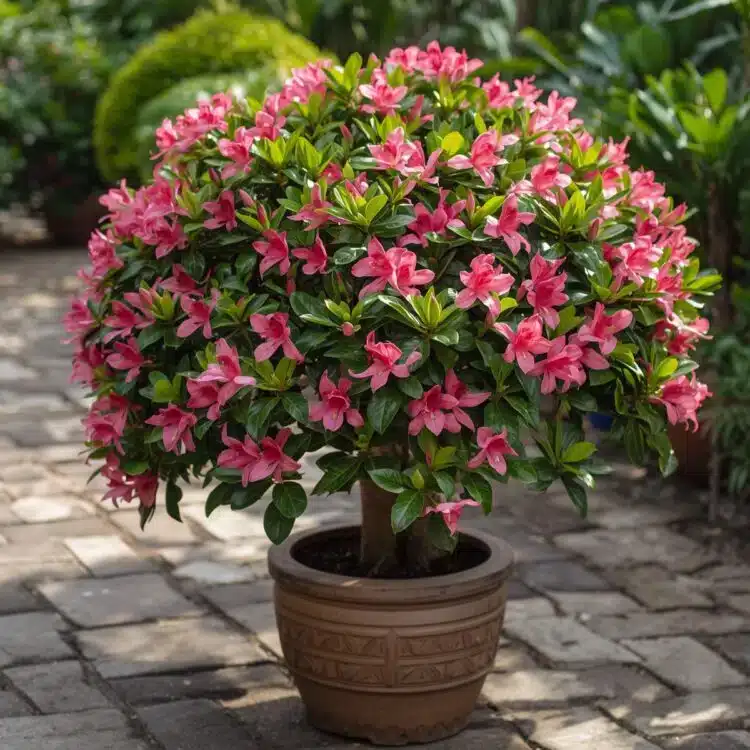
Buying garden plants online has become a popular and convenient way to shop, especially for busy UK homeowners who don’t have time to visit a garden centre in person.
Benefits of Buying Online
- Wider choice of plant varieties than most local shops
- Detailed plant care information available at a glance
- Plants delivered directly to your door
- Easy to compare sizes, prices and reviews before buying
What to Consider When Buying Online
- Check the delivery method. Reputable sellers pack plants carefully to prevent damage in transit.
- Read the care guide. Make sure the plant suits your garden’s light and soil conditions before ordering.
- Look at reviews. Genuine customer feedback gives a good sense of plant quality and delivery reliability.
- Buy the right pot and accessories too. Pairing your new plants with suitable plant pots and plant accessories helps them settle in and thrive from day one.
Buying online is generally safe as long as you choose an established retailer with clear plant care information and a solid delivery reputation. Explore our full range of garden plants online to see current stock and delivery options.
Final Thoughts
Choosing the right garden plants comes down to understanding your space and matching plants to it, rather than picking whatever looks appealing at the garden centre. Once you factor in sunlight, soil, UK weather and how much time you can realistically give your garden, it becomes much easier to build a space that thrives with minimal stress. Whether you’re planting up a spacious garden or a small balcony, there’s a wide range of garden plants online to help you get started. Browse our full collection of garden plants and find the perfect additions for your outdoor space.
FAQs About Garden Plants
What are the best garden plants for beginners?
Hardy, low-maintenance plants like lavender, hardy geraniums and evergreen shrubs are great starting points. As a rule of thumb, anything labelled “RHS hardy” or “drought tolerant” is a safer bet while you’re still learning your garden’s quirks.
Which garden plants are easiest to maintain?
Ornamental grasses, sedum, lavender and evergreen shrubs need minimal watering, feeding or pruning once established. Most only need a light trim once a year, typically after flowering or in early spring.
What garden plants grow well in full sun?
Lavender, salvia, agapanthus, alliums and pelargoniums all thrive in full sun. Many of these are also Mediterranean in origin, so they tend to prefer free-draining soil over heavy clay.
What are the best plants for shady gardens?
Hostas, ferns, mahonia and sarcococca confusa all do well in shade. Shady spots often stay damper for longer, so good drainage matters just as much as it does in sun avoid planting directly in waterlogged soil.
Which garden plants stay green all year?
Evergreens such as boxwood, holly, ivy and conifers keep their foliage throughout the year. Grouping a few evergreens together gives your garden a backbone of structure even when flowering plants have died back for winter.
How do I choose the right plants for my garden?
Assess your garden’s sunlight, soil type, size and local weather, then choose plants that match those conditions and suit the amount of maintenance you can manage. When in doubt, start with two or three hardy varieties rather than filling the whole garden at once.
What are the best plants for small outdoor spaces?
Compact, container-friendly plants like dwarf conifers, herbs, trailing ivy and small potted roses work well on patios and balconies. As a spacing guide, leave at least 2-3cm between the pot edge and the plant’s root ball to allow for growth.
Is it safe to buy garden plants online?
Yes, as long as you buy from a reputable retailer that packages plants securely and provides clear care instructions. Look for sellers who guarantee plant health on arrival or offer replacements for damaged deliveries.
What should I consider when buying garden plants online?
Check the delivery method, read the plant’s care requirements, look at customer reviews, and order suitable pots and accessories alongside your plants so they’re ready to settle in immediately.


