
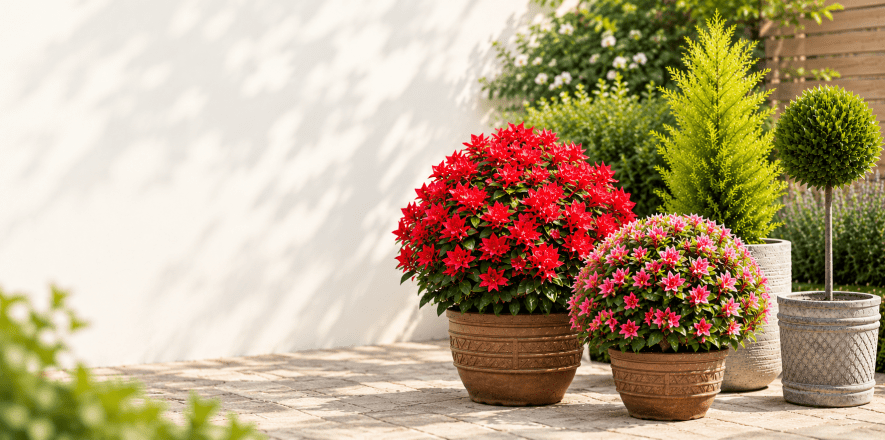
Yes, you can plant shrubs and trees in winter in the UK, as long as the plants are dormant and the ground is neither frozen nor waterlogged. November to March is the main window for bare-root and dormant deciduous plants, while container-grown plants can go in whenever the soil is workable. If the ground is rock hard or sitting in water, simply wait for a kinder week.
That short answer hides a lot of nuance. A bare-root hornbeam and a potted evergreen camellia have very different needs, and a garden in Cornwall behaves nothing like one in the Scottish Borders. This guide explains what suits winter planting, what is better left until spring, and how to give new plants the best start.
Why Winter Can Be a Good Time to Plant
Deciduous trees and shrubs drop their leaves and slow down in winter. Lifting and replanting them in this dormant state causes far less stress than doing it in summer, and the roots can begin settling in whenever the soil warms a little. By the time spring growth kicks in, the plant is already anchored and ready to go.
There are practical advantages too. The Royal Horticultural Society (RHS) notes that container-grown plants are easier to look after if planted in autumn or winter, because they need less watering than those planted in spring or summer. Winter rain does a lot of the work for you, and a plant that is established by April copes far better with a dry summer.
When Is the Best Time to Plant Shrubs and Trees in the UK?
The rule of thumb is simple: November to March for dormant plants, provided the weather allows. Bare-root trees, shrubs and hedging are only sold during this dormant season, which is why winter planting is so closely tied to them.
Within that window, timing matters:
November and early December: the soil still holds some warmth, so roots can start growing early. This is often the best moment for bare-root deciduous plants.
December to February: plants are fully dormant, but this is also when frost, snow and saturated ground are most likely. Plant only on mild, workable days.
March: the ground starts warming, which suits heavy clay, exposed sites and evergreens that dislike cold winds.
How UK Regions Differ
- South and south-west England: milder winters mean the planting window stays open for longer, and evergreens are less likely to be scorched.
- East of England: drier but prone to hard frosts and cold easterly winds, so protect new evergreens and young trees.
- Wales, north-west England and western Scotland: wetter conditions make waterlogging the main risk, so check drainage before planting.
- Northern England, Scotland and higher ground: colder soil and longer frosts often make late winter or early spring the safer choice.
- These are general patterns, not guarantees. Your own garden’s aspect, soil and shelter matter just as much as the region on the map.
Deciduous, Evergreen, Bare-Root or Container-Grown: What’s the Difference?
Deciduous trees and shrubs lose their leaves in autumn and are the easiest to plant in winter, because they are genuinely dormant.
Evergreen shrubs and trees keep their foliage, so they continue to lose moisture through the leaves all winter. The RHS advises that evergreens are best planted in autumn or spring. In mild spells winter planting is fine, but in cold, windy gardens it is kinder to wait until March.
Bare-root plants are grown in the field and sold without soil around the roots, only during the dormant season. They are usually cheaper and establish well, but the roots must never dry out. They need planting promptly, or heeling in temporarily if the ground is frozen.
Container-grown plants come in pots with compost around the roots. They are more forgiving on timing and can be planted at almost any time of year, other than when the soil is frozen or waterlogged.
Best Shrubs to Plant During Winter
For true bare-root planting, think of dormant deciduous shrubs such as dogwoods, spiraeas, weigela and flowering currant, along with mixed native hedging. They are inexpensive, and winter is exactly when they are available.
For container-grown shrubs, winter is a good time to choose evergreens and winter-flowering plants while you can see how they look:
Camellias: a handsome evergreen with glossy leaves and flowers from late winter into spring. Plants Depot lists the Camellia japonica evergreen shrub. Camellias need acidic (ericaceous) soil or a large pot with ericaceous compost. Avoid planting where early morning sun hits frosted blooms.
- Rhododendrons and azaleas: also acid-loving. They suit sheltered, partly shaded borders, and they are best planted when the soil is damp but not saturated.
- Bay laurel (Laurus nobilis): a fragrant, evergreen choice for formal hedging and screening. Hard frosts and cold winds can scorch it in exposed gardens, so in colder areas early spring planting is safer.
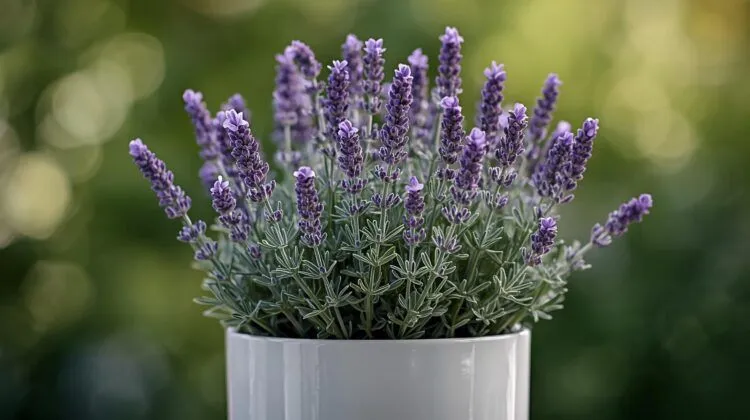
Some plants are better postponed. Lavender, for instance, dislikes cold, wet soil around its roots, so spring is usually the better time to plant it.
You can browse the full range of garden shrubs at Plants Depot and filter by evergreen, ericaceous, hardy or low maintenance to narrow things down.
Best Trees to Plant During Winter
Bare-root deciduous trees are the classic winter planting job. Reliable UK choices include silver birch, rowan, crab apple, hawthorn, field maple and hornbeam, along with apple and pear trees. Many of these also support wildlife, which is a bonus.
If you prefer a container-grown specimen, a Japanese maple makes a lovely focal point. Plants Depot offers Acer palmatum, which suits a sheltered spot, a patio pot or a doorstep display. Acers generally prefer slightly acidic to neutral soil and dislike cold, drying winds, so choose a protected position.
To see what is currently available, browse the trees collection and check each product page for the pot size supplied.
Comparison Table: Which Plants Suit Winter Planting?
| Plant type | Ideal planting period | Suitable conditions | Main benefits | Key precautions |
| Bare-root deciduous trees | November to March | Moist, well-drained soil; workable ground | Cost-effective, strong root start | Never let roots dry out; stake taller trees |
| Bare-root deciduous shrubs and hedging | November to March | Most garden soils | Cheap for large numbers of plants | Plant promptly or heel in; soak roots first |
| Container-grown deciduous shrubs | Autumn to early spring | Most soils, if not frozen or waterlogged | Flexible timing, easy to see before buying | Water in well; mulch after planting |
| Evergreen shrubs (e.g. bay) | Autumn or March to April | Sheltered, free-draining spots | Year-round structure and screening | Wind and frost scorch; avoid cold snaps |
| Ericaceous shrubs (camellia, rhododendron, azalea) | Autumn to early spring | Acidic soil or pots with ericaceous compost | Late-winter and spring colour | Avoid chalky soil; shelter from cold winds |
| Japanese maple (Acer palmatum) | Autumn to early spring | Sheltered, slightly acidic to neutral soil | Striking foliage, suits containers | Protect from cold, drying winds |
How to Plant Shrubs and Trees Successfully in Winter
- Check the weather and soil. Don’t plant if the ground is frozen or the hole fills with water. The RHS recommends avoiding frozen or waterlogged soil altogether.
- Choose the site. Match the plant to the light, shelter and soil. Allow for its full height and spread, not just its size in the pot.
- Prepare the soil. Clear weeds and stones, and break up compacted ground with a fork. On wet ground, consider planting on a low mound of about 25–30cm high.
- Prepare the plant. Soak bare-root plants for around 30 minutes. For pots, water thoroughly first and tease out any circling roots.
- Dig the hole. Make it the same depth as the root ball and roughly three times as wide.
- Plant at the right depth. Keep the plant at the same level it grew at before. Planting too deep is a common cause of failure.
- Backfill and firm. Refill with the excavated soil and firm it gently with your heel to remove air pockets.
- Stake trees if needed. Taller trees need a stake and tie, which should be checked each spring and autumn so it doesn’t constrict the stem.
- Water and mulch. Water well to settle the soil, then add mulch, leaving a clear gap around the stem.
- Keep up the aftercare. Newly planted shrubs need regular watering for at least the first two years, especially in dry spells, even in winter if there is little rain.
For general advice on matching plants to your conditions, the Plants Depot garden plants guide covers light, soil and maintenance in more detail.
Choosing Plants for Small Gardens, Borders and Privacy
- Small gardens and patios: choose compact or slow-growing plants and grow them in large containers. A Japanese maple or a camellia in a deep pot adds structure without taking over.
- Mixed borders: combine evergreens for year-round shape with deciduous shrubs for seasonal colour. Space them for their mature size.
- Privacy screening: evergreen hedging works best. Plants Depot offers the Laurel Bay Hedge, a fragrant evergreen option, and you should plant it in a sheltered position where possible.
- Heavy clay: it holds water over winter. Improve the soil, plant on a slight mound and consider waiting until March.
When to Wait: Winter Planting Mistakes to Avoid
Winter planting only works if you are choosy about the day. Hold off if:
- The ground is frozen and a spade will not go in easily.
- The soil is waterlogged, or water is standing in the planting hole.
- A hard frost, snow or strong cold wind is forecast for the days straight after planting, especially for evergreens.
- You have bare-root plants but can’t plant straight away. Heel them in or pot them up temporarily in compost, and keep the roots moist and frost-free.
- The plant is tender or dislikes wet roots. Lavender and many Mediterranean-style plants are happier planted in spring.
Other common mistakes include planting too deep, forgetting to water after planting, and leaving trees unstaked in exposed positions. A plant that waits a fortnight in a sheltered corner will usually do far better than one rushed into frozen soil.
What to Look for When Buying Shrubs and Trees Online
Use this checklist before you order:
- Check the format. Is it bare-root, rootballed or container-grown? The product page should say, and Plants Depot’s shrub and tree collections can be filtered by pot size.
- Confirm the plant suits your soil. Acid-loving plants such as camellias and rhododendrons need ericaceous conditions.
- Check the mature height and spread, not just the size supplied.
- Look at sun and shelter needs. Match them to the spot you have in mind.
- heck stock and delivery. Make sure the plant is actually available and can arrive before a cold snap, or that you can store it safely.
- Prepare the planting site first, so you can plant as soon as the order arrives.
- Read the care information and returns policy. A reputable seller should make both easy to find.
- Plan the extras. Stakes, ties, mulch and ericaceous compost are easiest to buy at the same time.
Conclusion
Winter can be an excellent time to plant shrubs and trees in the UK, particularly bare-root deciduous plants and hardy container-grown shrubs, as long as you pick your moment. Plant on mild, workable days, match the plant to your soil and shelter, and wait when the ground is frozen or sodden. Evergreens and tender plants often do better in early spring, especially in colder regions. Ready to choose? Browse Plants Depot’s shrubs and trees, check the format and stock on each product page, and have your planting spot prepared before your order arrives.
Frequently Asked Questions
Can you plant shrubs and trees in winter in the UK?
Yes. Dormant deciduous plants and bare-root stock are well suited to winter planting from November to March, provided the soil isn’t frozen or waterlogged. Evergreens are usually better planted in autumn or spring.
What is the best month to plant trees and shrubs in winter?
November is often ideal for bare-root plants because the soil still holds some warmth. In colder or heavier-soil gardens, February or March can be a safer option.
Should I plant if the ground is frozen?
No. Wait until it thaws. If you have bare-root plants, heel them into a trench or pot them up in compost, and keep the roots moist and frost-free until you can plant.
What are the best trees to plant in winter?
Bare-root deciduous trees such as silver birch, rowan, crab apple, hornbeam and field maple, plus apple and pear trees, are all good winter choices. Container-grown trees such as Japanese maple can also be planted in mild spells.
Do newly planted trees and shrubs need watering in winter?
Yes, if the weather is dry. Winter rain often helps, but newly planted trees and shrubs can still suffer drought stress, so check the soil regularly and water deeply when needed.


