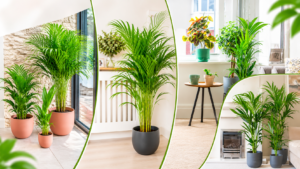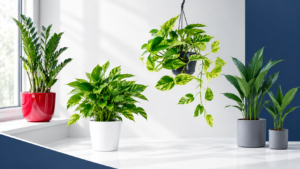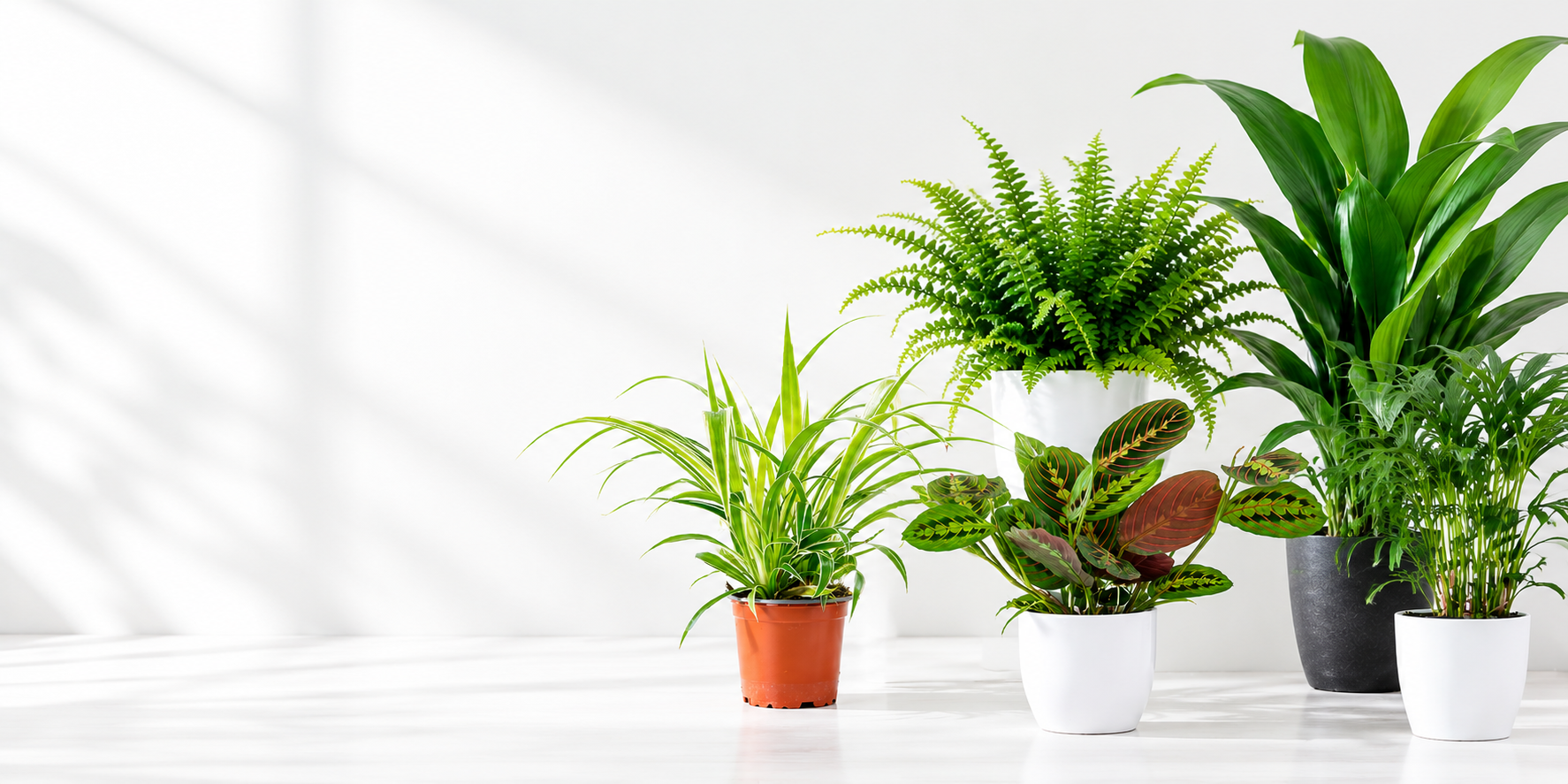
The safest houseplants for homes with cats and dogs are those the ASPCA lists as non-toxic, including spider plants, areca, kentia and parlour palms, Boston ferns, prayer plants, cast iron plants and money trees. But which one suits you depends less on a species list than on your pet’s habits and your room. A bored kitten, a bouncing Labrador and a dim hallway each call for a different choice. If you simply want a quick list, our round-up of pet-friendly houseplants is the place to start. This guide goes a step further and helps you choose between them, and explains the risks that “pet-safe” does not cover.
What “Pet-Safe” Does and Doesn’t Mean
The ASPCA’s “non-toxic” label means a plant has not been linked to significant toxic effects in cats, dogs or horses. It does not mean a pet can eat as much as it likes. Leaves are fibrous, and a cat or dog that eats a lot of any plant may vomit or have loose stools.
Plant identification matters just as much. Common names are unreliable: a sago palm is not a true palm, yet it is one of the most dangerous plants for dogs and cats. Always check the botanical name on the product page before you buy, and confirm it against the ASPCA’s cat and dog plant lists.
Start With Your Pet, Not the Plant
- Playful kittens and climbers: choose stable, heavy-based plants and keep anything with dangling foliage out of reach. Cats are drawn to movement, so trailing plantlets are a magnet. Shelves, hanging planters and plant stands that cannot be toppled all help.
- Energetic dogs: a sturdy trunk and a heavy pot survive wagging tails and zoomies. Put large plants in a corner where a wall offers support, and keep delicate fronds off the floor.
- Nibblers: tough, leathery leaves are less appealing than soft, grassy ones. Offer cat-safe grass as an alternative.
- Diggers: use a heavy pot and cover the compost with large, smooth stones or a pot disc too big to swallow.
Matching Plants to Your Home
- Small flats: the parlour palm, prayer plant and spider plant stay compact and sit happily on a shelf or sideboard.
- Low light: cast iron plants and kentia palms tolerate lower light than most. Tolerating it is not the same as loving it, and no houseplant thrives in complete darkness.
- Living rooms and bedrooms: bigger plants suit a living room corner. In bedrooms, choose smaller, low-fuss plants, and keep compost and saucers away from pet beds.
- First-time owners: cast iron plant, spider plant and parlour palm forgive missed waterings better than ferns or prayer plants.
- Statement plants: areca palms, kentia palms and money trees give height, but need space and decent light.
Pet-Safe Houseplants at a Glance
| Plant | Cats | Dogs | Light | Maintenance | Best for |
| Spider plant (Chlorophytum comosum) | Non-toxic | Non-toxic | Bright, indirect | Low | First-timers; hanging planters |
| Areca palm (Dypsis lutescens) | Non-toxic | Non-toxic | Bright, indirect | Medium | Statement floor plants |
| Kentia palm (Howea forsteriana) | Non-toxic | Non-toxic | Medium to bright, indirect | Low to medium | Elegant height; lower light |
| Parlour palm (Chamaedorea elegans) | Non-toxic | Non-toxic | Low to medium | Low | Small flats; shelves |
| Boston fern (Nephrolepis exaltata) | Non-toxic | Non-toxic | Bright, indirect; humidity | High | Bathrooms; high shelves |
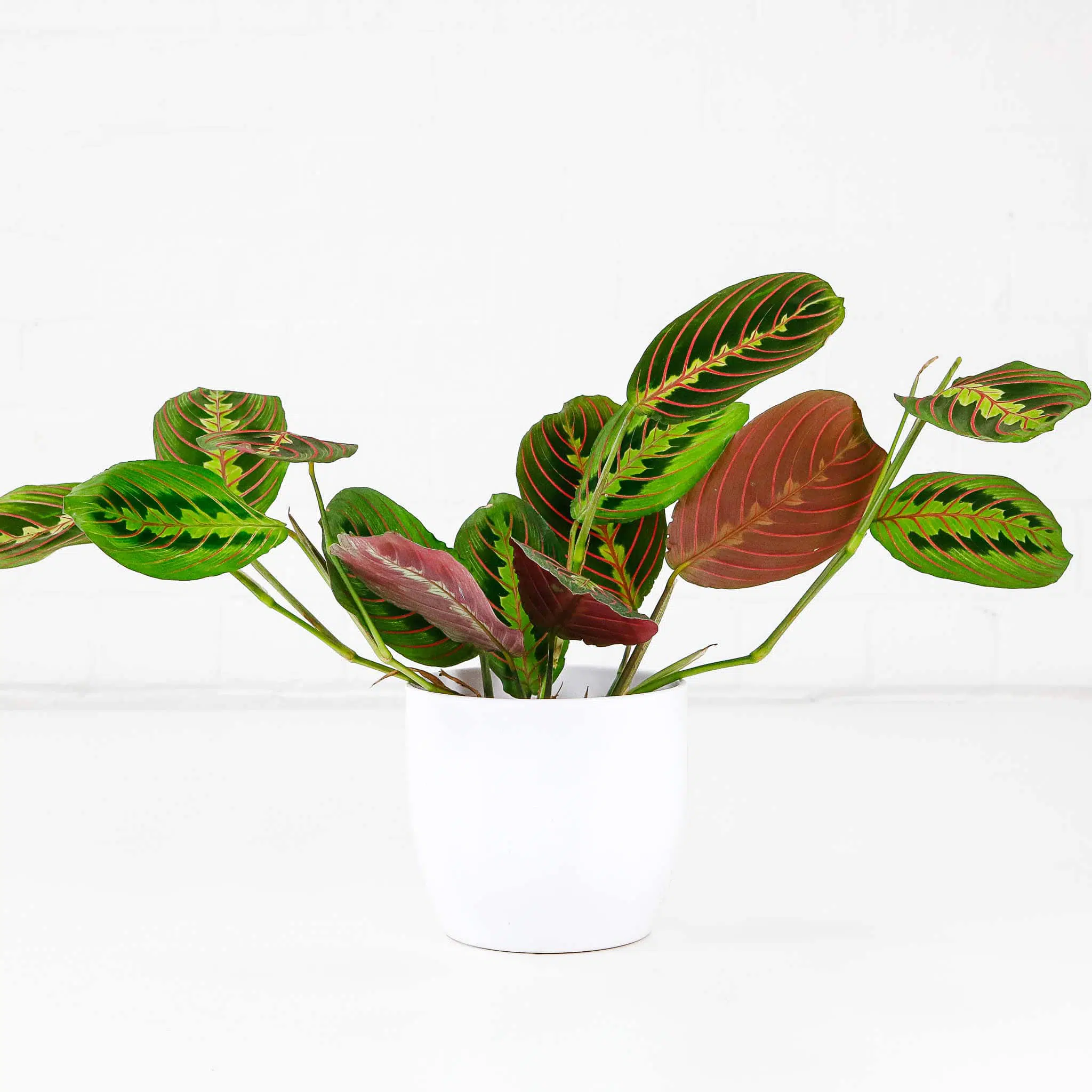
| Prayer plant (Maranta leuconeura) | Non-toxic | Non-toxic | Medium, indirect | Medium to high | Tables; colourful foliage |
| Cast iron plant (Aspidistra elatior) | Non-toxic | Non-toxic | Low to medium | Very low | Dim rooms; forgetful waterers |
| Money tree (Pachira aquatica) | Non-toxic | Non-toxic | Bright, indirect | Low to medium | Sturdy, larger plants |
Safety status is based on the ASPCA plant database. Light and care guidance is general; always follow the care card supplied with your plant.
Plant-by-Plant Notes
Spider plant. Easy and forgiving, but the arching plantlets tempt cats, so hang it or raise it. Its long leaves can also tempt small dogs. Browse the Spider Plant.
Areca palm. A feathery, airy statement plant that needs bright, indirect light and steady moisture, and it dislikes drying out completely. The Areca Palm suits living rooms with space to spare.
Kentia palm. Slow-growing and elegant, and more tolerant of lower light and the occasional lapse than many palms. It is slow to replace if damaged, so give it a safe corner. See the Kentia Palm.
Parlour palm. Compact and happy in a lower light. Good for small spaces, but needs humidity and can attract spider mites in dry, centrally heated rooms.
Boston fern. Lush and pet-safe, but the fussiest on this list. It needs humidity and consistently moist compost, and it sheds fronds when dry. Keep it high up, away from dogs’ tails.
Prayer plant. Striking patterned leaves, but sensitive to direct sun, dry air and hard water. Best on a table where it will not be disturbed.
Cast iron plant. Tough, slow-growing and very forgiving. Its limitation is pace: do not expect a big plant quickly. Choose the Cast Iron Plant for dim corners and busy households.
Money tree. A thick trunk copes with the odd knock, which suits big dogs. It dislikes overwatering and sudden moves. The Money Tree is a good floor-standing choice.
Popular Houseplants Pet Owners Should Research First
Not every toxic plant is equally dangerous. Many popular houseplants cause irritation rather than life-threatening harm, but that is no reason to be casual.
- Peace lily, monstera, pothos and philodendron: these contain calcium oxalate crystals, which can cause mouth irritation, drooling, vomiting and difficulty swallowing if chewed. Peace lilies are not true lilies. True lilies (Lilium) are a separate and far more serious emergency for cats.
- Aloe vera: can cause vomiting, diarrhoea and lethargy if eaten.
- Snake plant: can cause digestive upset if chewed.
If you already own any of these, you don’t necessarily have to get rid of them. Keep them in a room your pet cannot enter, or somewhere genuinely out of reach, and be honest about how determined your pet is.
How to Keep Pets and Plants Safe Together
Position with care: use shelves, hanging planters and corners. Remember that cats can climb, so “out of reach” needs a second look.
Choose stable pots: wide, heavy bases beat tall, narrow ones. Check the plant is not top-heavy.
Manage drainage: empty saucers so pets don’t drink stagnant water, and keep fertilisers, compost and plant treatments out of reach.
Reduce chewing: provide cat grass, play and enrichment, and move trailing foliage out of sight. Ask your vet before using any deterrent sprays.
If you suspect your pet has eaten a toxic plant
Contact a vet immediately, even if your pet seems fine. Do not wait for symptoms. Cats Protection advises against trying to make a cat vomit or giving salt water. Take a note of the plant’s name, or a photo of the plant, and any packaging, and keep other pets away from it.
What to Check Before Buying Pet-Safe Houseplants Online
Botanical name: confirm it against the ASPCA lists, not just the common name.
Mature size: will it still fit its spot, and be out of reach, in a year?
Pot stability: a wide, heavy base and a drainage saucer you can empty.
Light: match the plant to your window, not the other way round.
Trailing foliage: avoid dangling leaves where a cat can reach.
Care level: be honest about how often you will water.
Delivery and returns: check the plant arrives healthy and can be replaced.
Ready to shop? Explore the child- and pet-friendly indoor plants collection and check each product page for size and care details.
Conclusion
The best pet-safe houseplant is the one that matches your pet, your light and your space, not just the one on a safe list. Start with non-toxic species, check the botanical name, and put each plant where it suits both of you. For a shorter list, see our pet-friendly houseplant round-up, or browse the collection and choose the plant that fits your home.
Frequently Asked Questions
Which houseplants are non-toxic to cats in the UK?
The ASPCA lists spider plants, areca palms, parlour palms, kentia palms, Boston ferns, prayer plants, cast iron plants and money trees as non-toxic to cats. Check the botanical name when buying.
Are spider plants safe for cats and dogs?
Yes, spider plants (Chlorophytum comosum) are listed as non-toxic to both. Cats are often drawn to the dangling plantlets, and eating a lot of any plant can still upset the stomach, so hang or raise it.
What are the best large pet-friendly houseplants?
Areca palms, kentia palms and money trees are all non-toxic and give height. Place them in a corner with a heavy pot, where dogs’ tails and playful cats are less likely to knock them over.
Can pets still get an upset stomach from non-toxic plants?
Yes. Non-toxic means no significant toxicity has been linked to the plant. Eating a large amount can still cause vomiting or loose stools. If symptoms persist or your pet seems unwell, contact your vet.
Which low-maintenance indoor plants are suitable for dog owners?
Cast iron plants, parlour palms and spider plants are all non-toxic to dogs and forgiving of missed waterings. Use heavy pots and keep them away from busy walkways.
How can I stop my cat from chewing houseplants?
Move plants out of reach or use hanging planters, offer cat grass instead, and add play and enrichment. If chewing is persistent or your cat eats non-food items regularly, speak to your vet.