A wildlife friendly garden does not need to be large, wild or expensive. It needs four things: food, water, shelter and sensible planting. Get those right and garden birds such as robins, blue tits, blackbirds and goldfinches will soon start dropping by, often bringing a good deal of life and movement to even a small plot. This guide walks you through each step, from choosing plants to setting up feeders, with practical advice for UK gardens and beginner gardeners.
Why Create a Wildlife-Friendly Garden?
Most UK gardens sit alongside many others, so together they form a patchwork of habitats that birds and other wildlife can use. When you add natural food, cover and water to your own space, you give visiting creatures somewhere to feed, rest and, in some cases, raise their young.
Here is what a bird-friendly garden can offer:
- Natural food sources. Berries, seeds and insects give birds a varied diet.
- Shelter. Dense shrubs, hedges and trees offer cover from weather and from predators.
- Nesting opportunities. Thick planting and well-placed bird boxes give birds safe spots to nest.
- Greater biodiversity. A mix of plants attracts insects, which in turn attract more wildlife.
The bonus is that you get to watch it all from your kitchen window.
Choose Plants That Attract Birds and Wildlife
Plants do the heavy lifting in any wildlife garden. They provide food, cover and a home for the insects that many birds eat.
Berries, seeds and shelter
Berry-producing shrubs such as hawthorn, holly, rowan and cotoneaster give birds fruit in autumn and winter. Seed heads left standing on plants such as teasel and sunflowers offer food after the flowers fade. Trees and dense evergreens add structure and a safe place to perch.
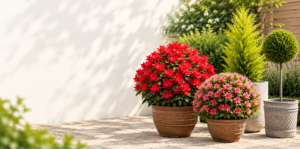
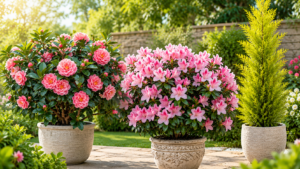
If you have limited space, choose compact shrubs or grow smaller plants in large containers.
Plant for insects too
Many garden birds, including blue tits and wrens, feed on insects, especially when raising chicks. Flowers that attract bees, butterflies and hoverflies help build up that insect population. Adding a selection of pollinator-friendly plants is a simple way to extend the food chain in your garden, and it gives you colour from spring to autumn. Try to mix plants with different flowering times so something is always in bloom.
Provide the Right Food for Garden Birds
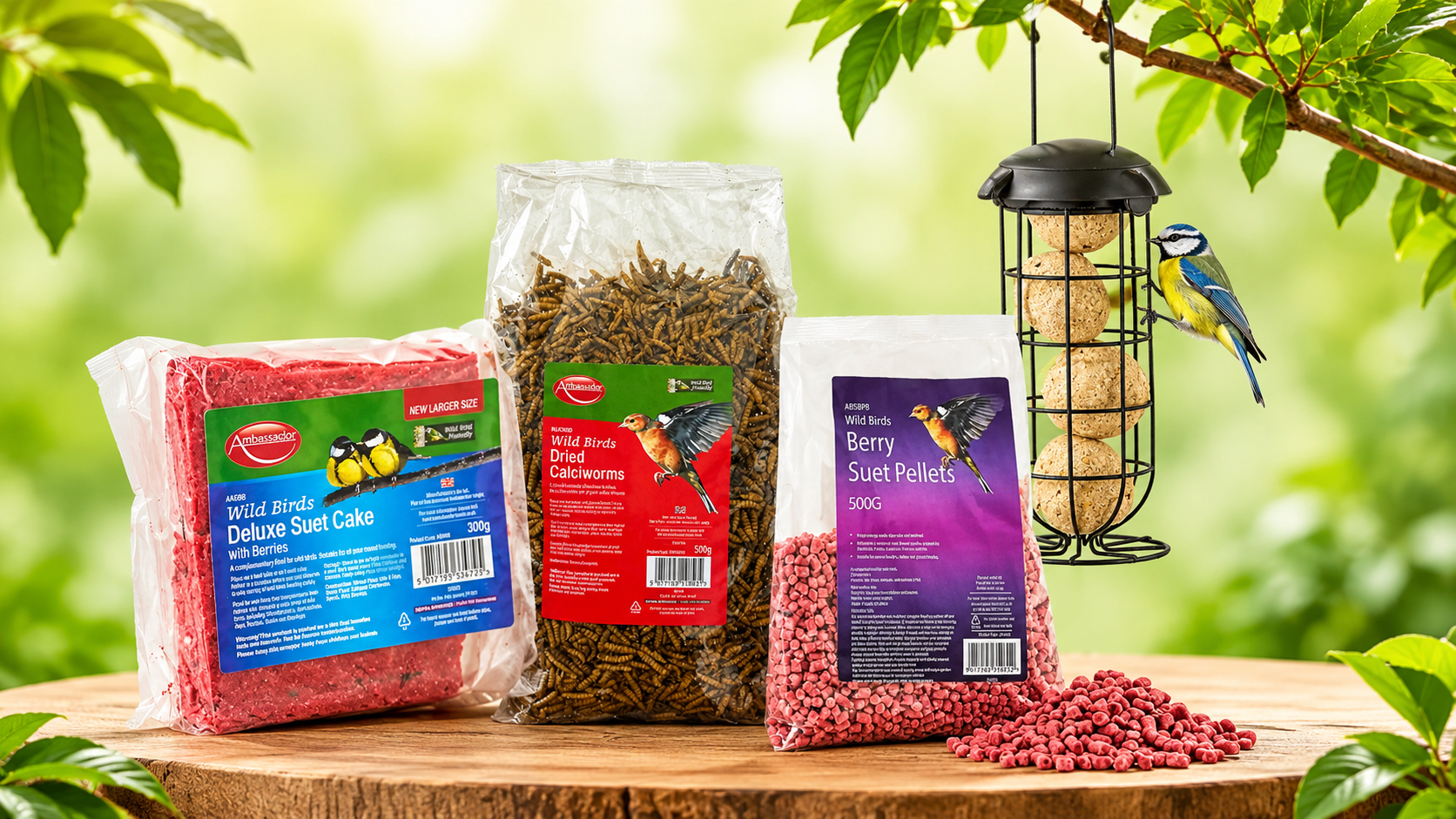
Natural food is a good start, but supplementary feeding helps, particularly in cold weather when insects are scarce and berries run low. Different birds favour different foods, so offering a range will attract a wider mix of species.
- Sunflower hearts: Popular with many garden birds, and they leave no husks to clear up.
- Wild bird seed: A general mix that suits a variety of visitors.
- Peanuts: A high-energy option. Use only food sold specifically for birds.
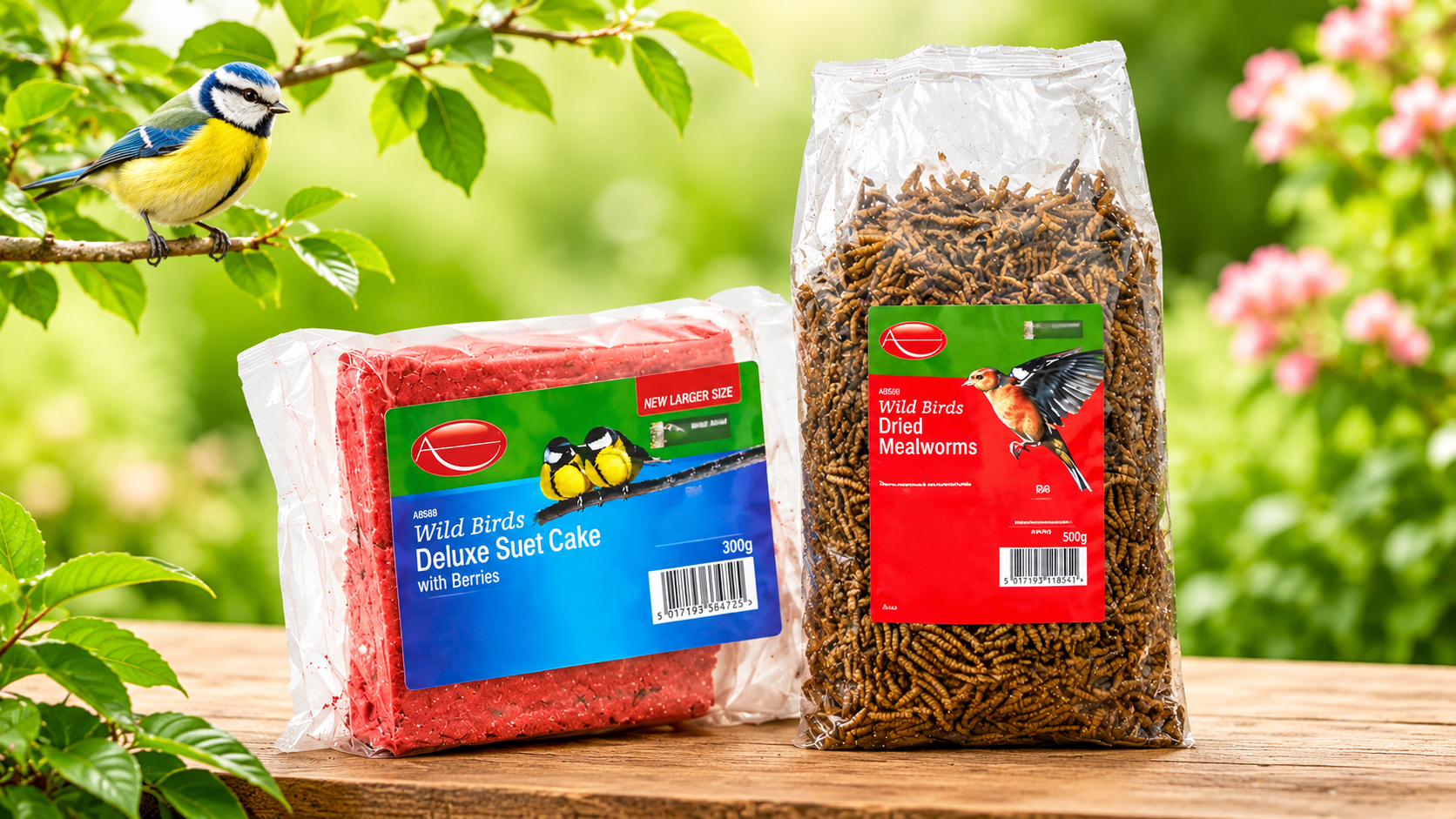
- Mealworms: Often enjoyed by robins, blackbirds and wrens.
- Fat balls: A useful winter food for tits and other small birds.
Quality matters. Good-quality wild bird food gives birds the energy they need, while poor mixes can leave uneaten filler on the ground. Offer small amounts regularly rather than overfilling, and clear away any stale or damp food promptly.
Install Suitable Bird Feeders
The right feeder makes food easier to reach and keeps it cleaner. Hanging seed feeders suit tits and finches, fat ball holders suit acrobatic feeders, and a ground tray or table suits robins and blackbirds.
A sturdy garden bird feeder is a good starting point if you want to attract a variety of seed-eating birds in one spot.
Where to position feeders
- Choose a quiet, sheltered spot, ideally near a shrub or tree so birds can dash for cover.
- Leave some open space around the feeder so birds can see danger coming.
- Keep feeders away from places where cats can hide or ambush.
- Place them where you can reach them easily for refilling and cleaning.
Keep feeding stations clean
Dirty feeders can spread disease between birds. Wash feeders regularly with hot water and a mild disinfectant, rinse them well and let them dry before refilling. Move feeders occasionally so droppings and spilt food do not build up in one place.
Create Safe Shelter and Nesting Spaces
Birds need somewhere to hide, roost and nest. Hedges, dense shrubs, climbers such as ivy and mature trees all provide cover. Native hedging is especially useful because it gives shelter and food in one planting.
Bird boxes offer extra nesting options. Fix them securely to a tree or wall, usually facing between north and east so they avoid strong sun and prevailing wet winds, and keep them out of reach of cats.
It also helps to leave a corner of the garden a little untidy. A pile of logs, long grass or fallen leaves can shelter insects and give birds a place to forage.
Add Fresh Water for Garden Birds
Birds need water for drinking and for bathing, which keeps their feathers in good condition. A shallow bird bath, or even a wide, shallow dish, works well. Keep the water about 2.5 cm to 5 cm deep so small birds can stand safely.
Change the water daily where possible and scrub the container regularly to stop algae and bacteria building up. In winter, check it often and remove ice so birds can still drink. Never add antifreeze or salt to the water.
Make Your Garden Wildlife-Friendly Throughout the Year
Birds have different needs as the seasons change, so a good wildlife friendly garden adapts with them.
- Spring: Leave nesting spaces undisturbed, avoid heavy hedge trimming during the nesting season and keep water topped up.
- Summer: Provide shallow water throughout hot spells and offer suitable food, such as mealworms, while birds feed their young.
- Autumn: Let berries and seed heads stay on plants, and leave fallen leaves in quiet corners.
- Winter: Put out reliable food such as fat balls and sunflower hearts, and keep evergreen cover in place for roosting.
Common Mistakes to Avoid
A few simple errors can stop birds visiting or put them at risk:
- Choosing unsuitable food. Avoid salty scraps, cooking fat and cheap mixes full of filler.
- Neglecting feeder cleaning. Dirty feeders can harm birds.
- Letting water go stale. Dirty water puts off visitors and can spread illness.
- Using pesticides carelessly. Chemicals can reduce the insects birds rely on, so use them sparingly or choose alternatives.
- Removing all natural shelter. A tidy, bare garden offers little cover.
- Placing feeders in exposed spots. Birds feel vulnerable in the open, and predators can strike easily.
Start Small and Build Up
Creating a wildlife friendly garden comes down to a handful of steps: plant for berries, seeds and insects, offer suitable food, set up clean feeders, provide shelter and keep fresh water available all year. You do not need to do everything at once. Add one feature at a time and see which birds respond.
When you are ready to add food, feeders or other bits for your visitors, our range of wildlife supplies is a good place to look.
Frequently Asked Questions (FAQs)
How can I make my garden more attractive to wild birds?
To attract wild birds, provide a combination of natural food sources, fresh water, suitable shelter and safe nesting spaces. Planting shrubs and flowering plants, installing bird feeders and keeping parts of your garden undisturbed can create a welcoming environment for different bird species. You can also explore a range of wild bird food to support regular garden visitors.
What plants are best for attracting birds to a garden?
Plants that produce berries, seeds, nectar and natural shelter are particularly useful for attracting birds. Native trees, berry-producing shrubs, climbing plants and flowering perennials can provide food and protection throughout the year. Explore different garden plants to find suitable options for your outdoor space.
What is the best food to attract wild birds?
Different birds prefer different foods. Sunflower hearts, wild bird seed, peanuts, mealworms and fat balls are popular options for attracting garden birds. Choosing suitable bird food and keeping feeding stations clean can help support visiting birds throughout the year.
Where should I place a bird feeder in my garden?
Place bird feeders somewhere quiet and sheltered, ideally near natural cover such as shrubs or trees, while leaving enough open space for birds to spot approaching predators. Keep feeders away from areas where cats can easily hide, and make sure they are accessible for regular cleaning and refilling.
How can I provide shelter for birds in my garden?
You can provide shelter by planting dense shrubs, evergreen plants and suitable trees. Natural hedges, climbing plants and undisturbed corners can offer protection from harsh weather and potential predators. Bird boxes can also provide additional nesting opportunities when installed in suitable locations. For more ideas, browse our wildlife supplies.
Do flowering plants help attract birds to a garden?
Yes, flowering plants can support a wider garden ecosystem by attracting insects that some birds feed on. They also encourage pollinators such as bees and butterflies. Adding a selection of pollinator-friendly plants can help create a more diverse and wildlife-friendly outdoor space.
How can I attract birds to a small garden?
Even a small garden can attract birds with a few carefully chosen features. Use compact shrubs, hanging feeders, suitable bird food and a shallow water source. You can also grow suitable plants in containers to introduce additional greenery and natural cover without taking up too much space.
How can I keep birds visiting my garden throughout the year?
Provide a consistent combination of food, water and shelter throughout the seasons. Keep feeders clean, replenish suitable food regularly and grow a mixture of plants that offer berries, seeds and natural cover at different times of the year. Avoid relying on feeders alone; a varied garden habitat is equally important.