

Anyone who has kept a plant alive for more than a few weeks knows this truth a healthy plant isn’t just down to luck or a green thumb. It’s down to the right tools, used consistently, at the right time. That’s where plant accessories come in. Whether you’re nursing a fussy fiddle-leaf fig on a windowsill or tending a full garden bed, the accessories you use behind the scenes often matter more than the plant itself. Good soil helps. Sunlight helps. But it’s a proper watering can, a reliable moisture meter, and a decent pair of pruning shears that quietly do the heavy lifting week after week.
This guide walks through everything you need to know about plant care accessories, what they are, which ones you actually need, and how to choose them for your specific plants. By the end, you’ll have a clear, practical shopping list rather than a vague sense that you “should probably get some gardening stuff.”
What Are Plant Care Accessories?
Plant care accessories are the tools, equipment, and add-ons used to support a plant’s growth, health, and appearance, everything outside the plant and its pot. Think watering cans, fertilisers, plant stands, misters, and moisture meters.
They generally fall into a few categories:
- Watering and feeding tools – watering cans, misters, fertilisers, plant food
- Monitoring tools – moisture meters, light meters
- Structural support – plant supports, stakes, trellises
- Display and functional furniture – plant stands, hanging planters
- Maintenance tools – pruning shears, potting accessories
Some people separate “plant growing accessories” (things that directly affect growth, like feed and moisture control) from “decorative garden plant accessories” (things that improve how a space looks). In practice, most good accessories do a bit of both a well-chosen plant stand, for instance, improves light exposure and looks smart in a living room.
Why Plant Care Accessories Matter for Healthy Plants
Plants don’t fail because owners don’t care. They usually fail because of small, repeated mistakes, a bit too much water here, not enough light there, feed given at the wrong time of year. Accessories exist to close that gap between good intentions and good outcomes.
A moisture meter, for example, removes the guesswork from watering arguably the single biggest cause of houseplant death. A plant stand can lift a pot into better light without moving furniture around. A decent pair of pruning shears makes clean cuts that heal quickly, rather than ragged tears that invite disease.
Do indoor plants need special accessories? To a degree, yes. Indoor plants live in more controlled but also more limited conditions, no rain, no natural humidity swings, no free-draining ground. Accessories like humidity trays, misters, and self-watering pots help recreate the conditions plants would otherwise get outdoors.
10 Essential Plant Care Accessories Every Plant Owner Should Have
If you’re only going to buy a handful of things, start here. These ten cover almost every common plant problem.
Watering Cans
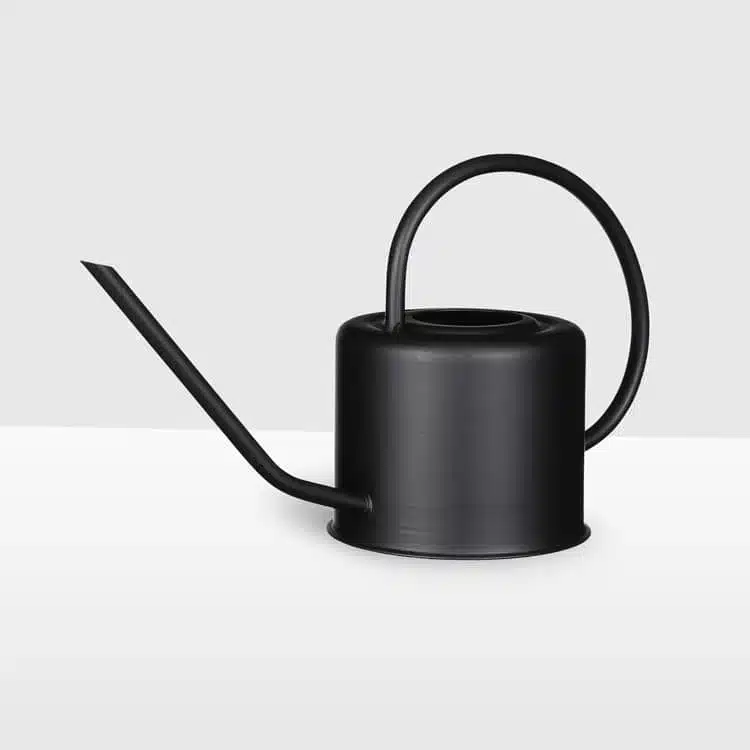
A narrow, angled spout gives you control over where the water goes straight to the soil, not over the leaves. For indoor plants, a smaller 1-2 litre can is usually more practical than a large garden one, since it’s easier to manoeuvre between pots on shelves and windowsills.
Plant Misters
Misters raise humidity around the leaves, which is especially useful for tropical species like calatheas, ferns, and orchids. A light daily mist can also help deter pests such as spider mites, which prefer dry conditions.
Moisture Meters
Why should I use a moisture meter? Because guessing is where most watering mistakes start. A moisture meter is inserted into the soil and gives an instant reading of how wet or dry it is at root level far more reliable than judging by how the topsoil looks or feels. This single tool prevents more plant deaths than almost any other accessory on this list.
Plant Fertilisers
Fertilisers replace the nutrients that potting soil loses over time, particularly nitrogen, phosphorus, and potassium. Liquid fertilisers are easiest for beginners since they’re diluted in water and applied during normal watering.
Plant Food
Slightly different from fertiliser, plant food often refers to slow-release granules or spikes that feed a plant gradually over weeks or months handy for anyone who forgets to feed on a strict schedule.
Pruning Shears
A sharp, clean pair of shears prevents crushed stems and reduces the risk of fungal infection at the cut site. They’re essential for shaping shrubs, deadheading flowers, and removing damaged leaves from houseplants.
Plant Supports
Stakes, moss poles, and trellises help climbing or top-heavy plants (like monsteras, pothos, and tomatoes) grow upright instead of sprawling or snapping under their own weight.
Plant Stands
Beyond looks, a stand lifts a plant closer to a light source, improves air circulation around the base, and keeps pots off cold floors in winter all of which support healthier root systems.
Hanging Planters
Ideal for trailing plants like string of pearls or pothos, hanging planters free up floor and shelf space while letting foliage cascade naturally, which is also better for the plant’s growth pattern than being forced upright.
Potting Accessories
Trowels, gloves, scoops, and drainage liners make repotting faster and less messy and reduce the physical strain of handling soil and heavy pots.
Best Indoor Plant Accessories for Healthier Houseplants
Which accessories help plants grow faster? For indoor plants specifically, three accessories tend to make the biggest difference:
- Self-watering pots – maintain consistent soil moisture, ideal for busy owners
- Grow lights – supplement weak natural light, especially in winter or north-facing rooms
- Humidity trays – filled with pebbles and water, they raise moisture around the pot without soaking the roots
Beginners often do best starting with a moisture meter and a simple watering can, then adding a grow light if their space lacks natural sunlight. More experienced growers tend to invest in propagation stations, grow tents, and specialist feeds for orchids or succulents.
If you’re building a houseplant collection, it’s worth browsing a dedicated range of indoor plants alongside your accessories, so watering and feeding schedules can be matched to each plant’s actual needs from day one.
How Plant Growing Accessories Support Better Growth
Which accessories prevent overwatering? Drainage-focused accessories are the answer here. Pots with drainage holes, terracotta liners, and moisture meters work together to stop water pooling around roots, the leading cause of root rot.
Good root development depends on:
- Drainage – excess water needs somewhere to go; pot risers and saucers with gravel help
- Aeration – potting mixes with perlite or bark, combined with the right container material, let roots breathe
- Consistent feeding – fertilisers and plant food supply the nutrients roots need to expand steadily rather than in stressed bursts
Together, these accessories create the underground conditions that make visible, above-soil growth possible.
Decorative Garden Plant Accessories That Add Style
Not every accessory is purely functional. In outdoor spaces, decorative touches make a real difference to how a garden feels to be in:
- Ornamental plant stakes and markers
- Painted or textured pots and planters
- Trellises with decorative patterns
- Solar garden lights for evening ambience
- Weatherproof plant stands for patios
The best decorative accessories still do a job, a stylish trellis supports climbing plants just as well as a plain one. If you’re planning a garden refresh, pairing these with a good range of garden plants, shrubs, and trees makes it easier to plan a cohesive look from the ground up.
How to Choose the Right Plant Care Accessories
Are plant stands good for indoor plants? Generally, yes but the right accessory always depends on the plant. A few starting points:
- Succulents and cacti – prioritise drainage tools and terracotta pots over misters
- Tropical foliage plants – misters and humidity trays matter more than for drought-tolerant species
- Climbing plants – invest in supports and moss poles early, before the plant outgrows its space
- Herbs – small watering cans and good light (via stands or grow lights) matter most
- Outdoor shrubs and trees – focus on pruning tools and slow-release feed rather than indoor humidity solutions
A simple rule: match the accessory to the plant’s natural environment, not the other way round. If you’re growing herbs indoors or on a balcony, browsing a herbs collection alongside the right pots and feed will save some trial and error.
Common Mistakes to Avoid
What gardening tools do beginners need? Fewer than most people think but the ones they do buy should be the right ones. Common mistakes include:
- Buying a large watering can for small houseplants, leading to overwatering
- Skipping a moisture meter and watering “on a schedule” regardless of actual soil condition
- Using blunt shears that crush stems instead of cutting cleanly
- Choosing decorative pots with no drainage holes
- Over-fertilising in an attempt to speed up growth, which can burn roots
- Ignoring plant supports until a plant has already started leaning or snapping
Most of these come down to buying accessories based on appearance rather than the plant’s actual needs.
Why Buy Plant Accessories Online?
Buying plant accessories online tends to offer a wider range than most local shops carry, particularly for specialist items like moisture meters or self-watering pots. It also makes it easier to compare accessories against the specific plants you own, rather than choosing from whatever happens to be in stock in-store that week. At Plants Depot, accessories are grouped so you can shop by what your plant actually needs, rather than browsing a generic aisle of unrelated tools.
Tips to Maintain Your Gardening Tools and Accessories
Good accessories last for years if they’re looked after properly:
- Clean pruning shears after each use to prevent spreading disease between plants
- Empty and rinse watering cans occasionally to stop algae build-up
- Store moisture meters dry, and avoid leaving the probe in soil long-term
- Check plant stands and supports for rust or wobble before each growing season
- Replace mister nozzles if spray becomes uneven or clogged
A few minutes of maintenance each month keeps tools working properly and saves money on replacements.
Why Investing in Quality Accessories Saves Time and Improves Plant Care
Cheap, poorly made accessories often cost more in the long run, a leaking watering can, an inaccurate moisture meter, or blunt shears all lead to extra work and, sometimes, damaged plants. Investing in a smaller number of reliable tools tends to work out better than accumulating a drawer full of gadgets that get used once. Quality accessories also save time. A self-watering pot means fewer daily checks. A good moisture meter means you stop guessing. Over a year, that adds up to meaningfully less effort for noticeably better results whether you’re caring for a single office plant or a full collection of outdoor plants.
Final Thoughts
Healthy plants rarely come down to one big decision, they come down to small, consistent habits, supported by the right tools. A moisture meter here, a decent watering can there, a pair of sharp shears when it’s time to prune. None of these accessories are complicated, but together they take a huge amount of guesswork out of plant care. If you’re ready to build out your own toolkit, it’s worth browsing the full plant accessories range to find the pieces that suit your plants whether that’s houseplants on a windowsill, herbs in the kitchen, or a garden full of artificial plants and living ones side by side. Pair the right accessories with the right plant pots, and you’ll notice the difference within a few weeks, not months.
Frequently Asked Questions
1. What are plant care accessories?
Plant care accessories are tools and equipment such as watering cans, moisture meters, fertilisers, and plant stands used to support a plant’s growth, health, and appearance.
2. Which accessories help plants grow faster?
Moisture meters, self-watering pots, grow lights, and appropriate fertilisers tend to have the biggest impact, since they address the most common causes of slow or stunted growth: incorrect watering, poor light, and nutrient gaps.
3. Do indoor plants need special accessories?
Yes, to some extent. Indoor plants don’t get natural rainfall or outdoor humidity, so accessories like humidity trays, misters, and self-watering pots help recreate those conditions indoors.
4. What gardening tools do beginners need?
A watering can, moisture meter, and a basic pair of pruning shears cover most early plant care needs. Additional tools can be added as a collection grows.
5. Why should I use a moisture meter?
It removes the guesswork from watering by measuring moisture at root level, helping to prevent both overwatering and underwatering, the two most common causes of plant decline.
6. Which accessories prevent overwatering?
Moisture meters, pots with drainage holes, and well-aerated potting mixes all help prevent water from sitting around the roots for too long.
7. Are plant stands good for indoor plants?
Yes. Beyond their visual appeal, plant stands can improve light exposure, airflow, and drainage by lifting pots off cold or damp surfaces.


