
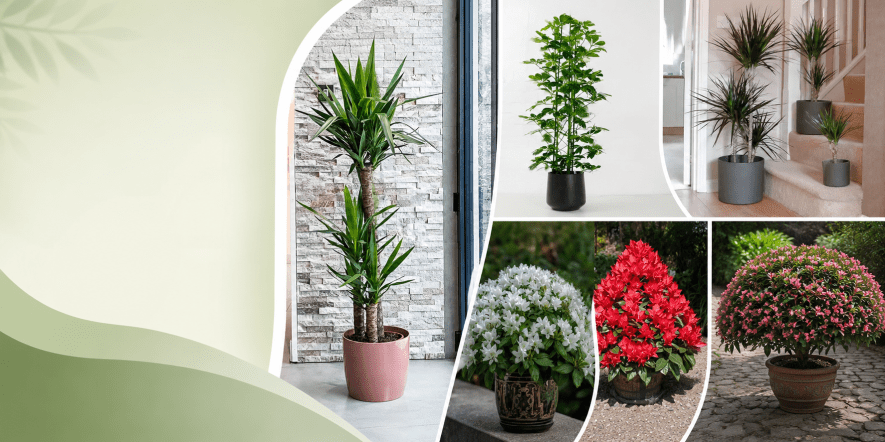
Bringing greenery into your home or garden is one of the simplest ways to make a space feel alive. But with so many options available, choosing the right indoor and garden plants can feel a little overwhelming, especially if you’re not sure where to start. Whether you’ve got a sunny windowsill, a shady flat, or a garden crying out for colour, this guide will walk you through everything you need to know. By the end, you’ll know exactly which plants suit your space, your lifestyle, and your level of green-fingeredness.
Why Choosing the Right Plants Matters
Picking plants isn’t just about aesthetics. The wrong plant in the wrong spot often ends up struggling, no matter how much love you give it. A cactus in a dark hallway or a shade-loving fern on a blazing windowsill simply won’t thrive. Matching plants to their environment is the single biggest factor in whether they flourish or fade. Getting this right from the start means less frustration, healthier plants, and a space that genuinely benefits from having greenery in it. It also saves money in the long run, since you won’t be constantly replacing plants that never stood a chance.
Understanding Your Space Before Buying Plants
Before you fall in love with a particular plant, take a proper look at the space you’re working with. This single step will save you a lot of guesswork later.
Indoor Spaces
Think about light first. South-facing rooms get plenty of bright sun, east and west-facing rooms get moderate light, and north-facing rooms tend to be quite dim. Also consider humidity and temperature. Bathrooms and kitchens are naturally humid, which suits tropical plants, while hallways and bedrooms are often drier and cooler.
Outdoor Gardens
Garden spaces vary hugely depending on soil type, drainage, and how much sun different areas get throughout the day. A border that’s shaded by a fence will need very different planting to an open, south-facing bed. It’s worth spending a weekend simply observing your garden at different times of day before buying anything. This tells you far more than guessing ever will.
Balcony and Patio Areas
Balconies and patios sit somewhere between indoor and outdoor conditions. They’re often exposed to wind, which can dry out pots quickly, yet may also get intense, direct sun for hours at a time. Container planting works brilliantly here, and choosing sturdy, weather-tolerant varieties will save you a lot of hassle come autumn and winter.
How to Choose the Best Indoor Plants
When it comes to the best indoor plants, the golden rule is honesty about your lighting and how much attention you can realistically give.
Consider your light levels. Low-light rooms suit plants like pothos, snake plants, and ZZ plants. Bright rooms can support fiddle leaf figs, string of pearls, or citrus trees.
Think about your routine. If you travel often or forget to water, choose drought-tolerant species. If you enjoy a daily plant-care ritual, ferns and calatheas will reward the extra attention.
Factor in pets and children. Some popular houseplants are toxic if chewed, so it’s worth checking before bringing them home if you share your space with curious pets.
Once you know what suits your space, browse the full range of indoor plants to find varieties matched to different light levels and care needs. For those who love the look of lush foliage without the upkeep, artificial plants are a genuinely good alternative for tricky corners or low-light offices.
Quick Tips for an Indoor Plant Guide
- Rotate pots occasionally so plants grow evenly towards the light.
- Group plants with similar humidity needs together.
- Choose pots with drainage holes to avoid root rot.
This kind of simple indoor plant guide thinking makes a huge difference to long-term success, even for complete beginners.
How to Choose the Right Garden Plants
Selecting garden plants UK gardeners can rely on means thinking beyond how a plant looks in the catalogue photo.
Check your hardiness zone. The UK climate varies from mild coastal areas to much colder inland regions, so choosing plants suited to your specific conditions matters more than you might think.
Consider soil type. Clay, sandy, and loamy soils all hold water and nutrients differently. A quick soil test can guide you towards plants that will genuinely thrive rather than merely survive.
Plan for seasons. A well-planned garden has something interesting happening in spring, summer, autumn, and even winter, rather than one big burst of colour that fades by July.
For structure and reliability, shrubs and evergreens provide year-round interest, while perennials and bulbs bring seasonal bursts of colour. Explore the full collection of garden plants to find hardy options suited to British weather.
Garden Plant Ideas for Different Spaces
- Small gardens: Compact shrubs, climbers, and vertical planting maximise limited space.
- Cottage-style gardens: Foxgloves, lavender, and roses create that classic, relaxed British charm.
- Low-maintenance gardens: Ornamental grasses and hardy perennials need minimal fuss.
These garden plant ideas work well whether you’re starting from scratch or refreshing an existing border.
Indoor Plants vs Garden Plants: A Quick Comparison
| Feature | Indoor Plants | Garden Plants |
| Light Source | Artificial or filtered natural light | Direct natural sunlight |
| Watering Frequency | Regular, controlled watering | Weather-dependent, less frequent |
| Temperature Control | Stable, indoor climate | Exposed to seasonal changes |
| Maintenance Level | Moderate, year-round attention | Seasonal peaks in spring/summer |
| Common Uses | Decor, air purification, ambience | Landscaping, colour, biodiversity |
| Popular Choices | Snake plant, pothos, peace lily | Lavender, hydrangea, hostas |
Both plant types offer real benefits, and many households enjoy a combination of both indoors and out.
Essential Plant Care Tips for Healthy Growth
Good plant care tips apply whether your plants live on a windowsill or in a flower bed. Watering wisely is the foundation of healthy plants. Overwatering kills far more houseplants than underwatering, so always check the soil before reaching for the watering can. Feeding regularly during the growing season, typically spring through summer, gives plants the nutrients they need to produce strong leaves and flowers.
Pruning and deadheading encourage fresh growth and keep plants looking tidy, whether it’s trimming a leggy houseplant or deadheading spent roses. Choosing the right pot matters more than people realise. The correct size and drainage prevent waterlogging and give roots room to develop properly. Have a look at the range of plant pots designed to suit different plant sizes and interior styles.
Using the right accessories, such as moisture meters, plant food, and support stakes, can make ongoing care far simpler. Browse various plant accessories to make maintenance easier. For more in-depth, plant-specific guidance, the dedicated plant care section covers everything from watering schedules to pest control.
Common Mistakes to Avoid When Choosing Plants
Even experienced plant owners fall into a few common traps. Avoiding these will save you time, money, and disappointment.
Ignoring light requirements. Buying a plant purely because you like the look, without checking whether your space suits it, is the most common mistake of all.
Overcrowding pots or beds. Plants need room to grow. Cramming too many into one space leads to competition for light, water, and nutrients.
Overwatering out of love. More plants die from too much water than too little. Always check moisture levels before topping up.
Forgetting seasonal changes. Garden plants especially need consideration for how they’ll cope through winter, not just how they look in June.
Skipping research before buying online. Product descriptions can only tell you so much, so it helps to understand basic care needs before adding anything to your basket.
Final Thoughts
Choosing the right indoor and garden plants ultimately comes down to understanding your space, your lifestyle, and how much time you genuinely want to spend on maintenance. There’s no single “best” plant, only the best plant for you. Take time to observe your light, soil, and daily routine, then choose plants that naturally fit those conditions rather than fighting against them. At Plants Depot, you’ll find a wide selection covering everything from low-maintenance houseplants to hardy garden favourites, all suited to real British homes and gardens. Ready to find your perfect green companion? Explore the full range of indoor and garden plants today and start building a space you’ll genuinely love spending time in.
FAQs
1. How do I choose the best indoor and garden plants for my home?
Start by assessing your available light, humidity, and how much time you can dedicate to care, then choose plants suited to those specific conditions.
2. Which indoor plants are easiest to maintain?
Snake plants, pothos, and ZZ plants are among the easiest, tolerating low light and irregular watering without much fuss.
3. What are the best garden plants for UK weather?
Hardy perennials like lavender, hostas, and hydrangeas cope well with the UK’s variable climate and require relatively little intervention.
4. How often should indoor plants be watered?
This varies by species, but most houseplants prefer their soil to dry out slightly between waterings, typically once a week.
5. What should I consider before buying plants online?
Check the plant’s light and water requirements, expected size at maturity, and whether it’s suitable for pets or children in your home.
6. Which plants need the least maintenance?
Succulents, snake plants, and ornamental grasses are excellent low-maintenance choices for busy households.
7. How can I keep my indoor and outdoor plants healthy?
Consistent watering, appropriate light, occasional feeding, and regular pruning keep both indoor and outdoor plants thriving.
8. Can I grow indoor and garden plants together?
Yes, many households combine both, using indoor plants for year-round greenery and garden plants for seasonal colour and outdoor biodiversity.


