
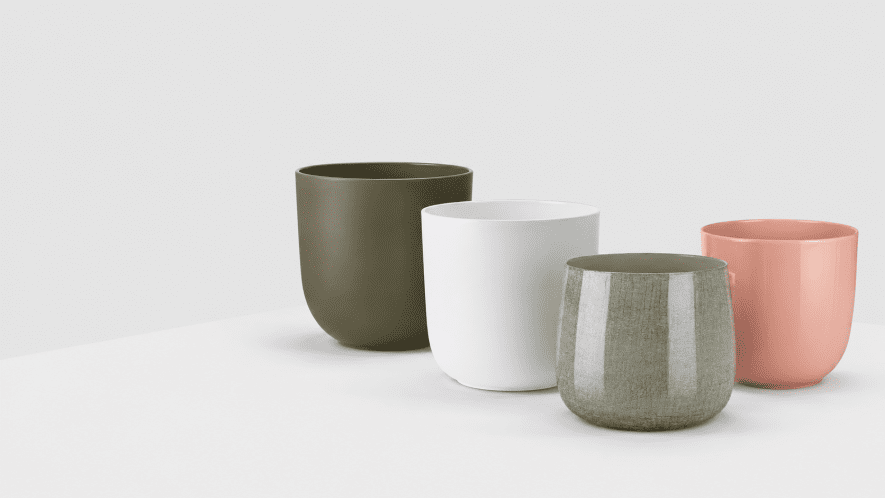
A houseplant can be healthy in the shop and struggling a few weeks after you bring it home, and the pot is often the reason. Too much space, no way for water to escape or a material that dries out too quickly can all cause problems. A pot that looks lovely on your shelf can still be the wrong one.
So how do you choose the right plant pots for indoor plants? Start with the plant, not the look. Pick a pot that fits the root ball with a little room to grow, lets excess water drain away, and suits how often you water. Once those boxes are ticked, choose the colour and shape that suit your home. This guide covers each of those decisions in turn. It works for a first indoor plant and for a growing collection alike.
Why Choosing the Right Pot Matters for Indoor Plants
Roots need both water and air. A pot controls how much of each they get. If the potting mix stays soggy, roots can’t breathe and may start to rot. If it dries out too fast, the plant sits thirsty between waterings.
Four features of a pot shape that balance:
- Size: this decides how much potting mix surrounds the roots, and so how long it stays wet.
- Drainage: this decides whether surplus water can leave the pot.
- Material: some materials let moisture escape through their walls, others hold it in.
- Depth and shape: these affect how roots spread and how stable the plant is.
It also helps to separate two kinds of container. A growing pot is where the roots live, usually with drainage holes. A decorative pot, often called a cachepot or outer planter, is there for looks and often has no holes. Plenty of healthy houseplants live happily with one inside the other. Problems start when a plant is planted straight into a decorative pot that can’t drain.
Choosing the Right Plant Pot Size for Your Houseplant
Size is the decision people get wrong most often, usually by going too big. A larger pot feels generous, but the extra potting mix holds water the roots can’t use yet, which keeps the compost wet for longer than the plant needs.
Check the root ball first
Gently slide the plant out of its current pot and look at the roots.
- Roots still tucked inside a loose ball of compost: the plant has room and doesn’t need moving.
- Roots circling the edge or poking out of the drainage holes: the plant is running out of space.
- Very little compost visible: water will probably run straight through, and the plant may dry out quickly.
Signs a plant needs repotting
Look for slower growth during spring and summer, water that drains through almost instantly, a top-heavy plant that keeps tipping over, or roots pushing up at the surface. Any one of these on its own is a hint. Two or three together is a clear signal.
How much bigger should the next pot be?
Most plants do best with a modest step up. As a general guide, move up by about 2–3 cm in diameter for smaller plants and up to around 5 cm for larger ones. That is a starting point, not a rule for every species. Fast growers such as monstera may use extra room sooner, while slow or compact plants, such as many succulents and snake plants, often prefer to stay a little snug.
Think about where the plant is heading as well. A young rubber plant that will grow tall will eventually need a heavier, wider pot for stability. Plan one step ahead, not three.
Avoid pots that are far too large
If the new pot is several sizes up, the plant has to fill all that space before the compost dries out properly. Overwatering becomes far easier. If you want a large pot for visual impact, put the plant in a growing pot of the right size and display it inside the bigger decorative one.
Which Plant Pot Material Is Best for Houseplants?
No material wins every time. The best plant pots for houseplants depend on the plant’s thirst and on how you like to water. Here is how the common choices compare.
Terracotta Pots
Terracotta is unglazed fired clay, which makes it porous. Water moves through the walls and evaporates, so the potting mix dries faster than in plastic or glazed pots. That suits plants that like to dry out between drinks, such as cacti, succulents and snake plants. It is also forgiving if you tend to overwater.
The trade-offs: it dries quickly in a warm room, so thirstier plants may need more frequent watering. It is also heavier than plastic and can chip. Over time, white mineral marks may appear on the surface, which many people find part of its charm.
Ceramic and Glazed Pots
Glazed ceramic is sealed, so little moisture escapes through the walls. The potting mix stays damp for longer, which suits plants that like even moisture, such as ferns and peace lilies. Glazed pots also come in a huge range of colours, patterns and finishes, and their weight makes them stable for taller plants.
Drainage varies a great deal from one product to another. Some have a hole and a matching saucer, others have no hole at all. Always check before you plant directly into one.
Plastic Pots
Plastic is light, cheap and hard to break, which makes it practical for larger plants you may need to move. Like glazed ceramic, it holds moisture, so you may need to water less often than you would with terracotta. Many nursery pots are plastic for exactly this reason, and they often have several drainage holes.
Plastic can look less polished on show, but it works well tucked inside a decorative pot.
Other Decorative Pot Materials
You will also come across woven baskets, metal planters, concrete and fibre-based pots. Baskets and metal containers are often used as outer covers, so a liner or the plant’s own growing pot sits inside. Concrete is heavy and sturdy, which helps with tall plants. Check each product’s description for drainage details and whether it is meant for planting directly.
The sensible approach is to match the material to your plant’s needs, then to your watering habits.
Why Drainage Matters When Choosing Indoor Plant Pots
For most common houseplants, water needs somewhere to go. Without drainage, surplus water collects at the bottom of the pot, and roots sitting in it for long periods can suffer. That doesn’t mean every plant needs identical conditions. A fern wants steadier moisture than a cactus. But nearly all of them dislike standing in water.
Nursery pots and decorative outer pots
Most houseplants arrive in a plastic nursery pot with drainage holes. You can keep the plant in that pot and place it inside a decorative one. Water over a sink, let the excess drain fully, then put the plant back. If you use the outer pot as a saucer, empty any water that collects after watering.
A few tips make this easier:
- Choose an outer pot slightly wider than the nursery pot, so the plant slides in and out easily.
- If the plant sits too low, raise it on a small upturned saucer or a layer of stones so the rim of the nursery pot lines up neatly.
- Raise the inner pot above the base so it isn’t sitting in pooled water. The right houseplant accessories, such as saucers, pot feet and liners, can help keep water away from furniture and floors too.
Potting mix plays a part
A free-draining mix helps even in a pot with good drainage. Cacti and succulents do best in gritty mixes, while leafy tropicals prefer a mix that holds some moisture but still lets air reach the roots. If you plant directly into a pot with no holes, water in small amounts and check the base regularly.
How to Match Pots to Different Types of Indoor Plants
Different plants have different habits, so the right pot changes with them.
Small and young plants. Keep the pot snug, with room for a season or two of growth. A pot that is only slightly larger than the nursery pot prevents the compost staying wet. A small windowsill herb or a young pothos is a good example.
Larger plants with bigger root systems. A monstera, rubber plant or fiddle-leaf fig needs a sturdy pot with a solid base so it doesn’t tip. Depth matters more than width for upright plants with strong roots. Heavier ceramic or concrete pots add stability, while a plastic nursery pot inside a decorative one keeps the weight manageable when you need to move it.
Plants that prefer drier conditions. Snake plants, ZZ plants, cacti and succulents like their compost to dry between waterings. Terracotta with a drainage hole suits them well.
Plants that prefer steady, even moisture. Peace lilies, ferns and calatheas like compost that stays lightly damp without being waterlogged. Glazed ceramic or plastic holds moisture for longer, but drainage still matters, so water carefully and don’t let them sit in a saucer of water.
Trailing plants and shelf displays. Pothos, tradescantia and string of hearts look best in a pot that lets stems spill over the edge. Choose a lightweight pot for shelves and hanging planters, and check weight limits before you load them up. Shallow pots suit trailing plants with modest roots.
Desks, windowsills and living rooms. Small, light pots work on desks and sills, but add a saucer to protect surfaces. Living room statement plants can take larger, heavier containers, as long as the plant inside has a correctly sized growing pot.
Choosing Indoor Plant Pots to Suit Your Home
Once the practical points are settled, you can have fun with style. Even so, keep a few practical points in mind.
- Colour: Neutral tones such as white, grey and sand let the foliage take centre stage, while bold colours make the pot a feature. Dark pots can look striking against pale walls.
- Texture: Matt, speckled and ribbed finishes suit relaxed or natural interiors. Smooth glazed pots tend to look sleek and modern.
- Shape and height: Tall, narrow pots suit upright plants and small floor spaces. Wider, shallower bowls work for low-growing plants and displays on tables.
- Placement: Measure shelves and windowsills before you buy, and make sure the pot and saucer fit. A full, watered ceramic planter can be surprisingly heavy, so check that furniture can support it.
- Grouping: A set of pots in the same colour family, but in different sizes, looks cohesive without being uniform.
If you want to browse by purpose, the range of indoor plant pots is a good place to compare sizes, shapes and finishes.
Are Self-Watering Pots a Good Choice for Indoor Plants?
Self-watering pots have a water reservoir at the base. The potting mix or a wick draws moisture upwards as the plant needs it. They can reduce how often you need to water and suit plants that like consistent moisture, such as peace lilies and ferns. They can also help if you’re often away from home.
They aren’t ideal for everything. Plants that like to dry out between waterings, such as succulents, cacti and snake plants, can suffer in constantly damp conditions. You still need to refill the reservoir and check the plant regularly. For a deeper look at the pros and cons, read this guide to self-watering plant pots.
Common Mistakes to Avoid When Choosing Plant Pots
Choosing a pot far larger than the root ball. Extra compost stays wet for too long. Move up by a modest step, or use a larger decorative pot around the right-sized growing pot.
Ignoring drainage. Water pooling at the bottom can damage roots. Use a pot with holes, or keep the plant in its nursery pot inside a decorative one and empty any collected water.
Picking a pot on looks alone. An attractive pot can still be wrong for the plant. Check size, drainage and material first, then pick a style.
Using the same watering routine for every material. Terracotta dries faster than glazed ceramic or plastic. Check the compost with your finger before watering, rather than sticking to a fixed schedule.
Forgetting the plant’s own needs. A cactus and a fern want very different conditions. Read the care label, then choose a pot that supports it.
Repotting too often or for no clear reason. Moving a plant too frequently can disturb its roots. Repot when it shows clear signs of needing more space, ideally in spring or early summer when growth is strong.
How to Find the Best Plant Pots for Indoor Plants
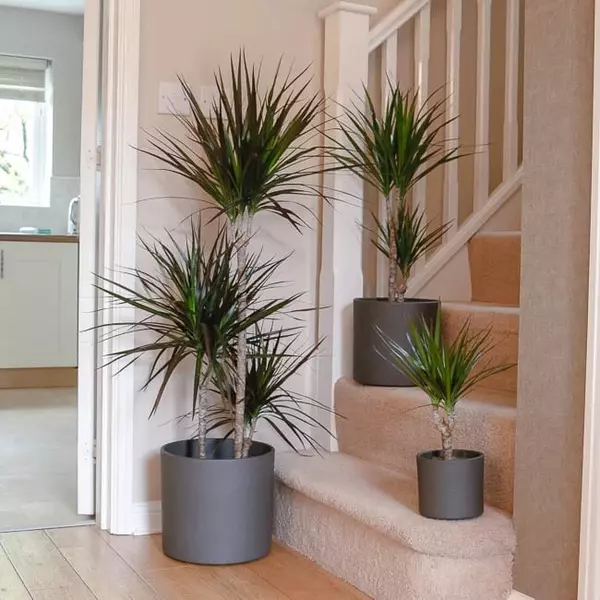
Before you buy, run through a short checklist. What size is the plant’s current root ball? Does the pot have drainage, or will you use it as an outer cover? Is the material right for how much water your plant prefers? And does the size and weight suit the spot where it will sit?
Once you know the answers, compare a few options in your chosen size and style. You may find that two or three different pots suit the same plant, which gives you room to pick what you like.
If you’re ready to look, plant pots in a range of materials and sizes are available to browse, and you can narrow them down by the needs of your plants.
Conclusion
The right pot balances five things: size, drainage, material, how your plant likes to be watered, and how it looks in your home. Get the first four right and the plant has a healthy base. The fifth is where you can enjoy yourself. Take a look at your plants, check their roots, and see which ones could do with a better home. When you’re ready to choose, explore the pots at Plants Depot and find the one that suits both your plant and your space.
Frequently Asked Questions
How do I choose the right pot size for an indoor plant?
Choose a pot slightly larger than the current root ball, usually about 2–3 cm wider for small plants and up to around 5 cm for bigger ones. Check the roots first, as some plants like a snugger fit.
Are pots with drainage holes better for houseplants?
For most houseplants, yes. Drainage holes let surplus water escape and help prevent waterlogged compost. If a decorative pot has no holes, keep the plant in a nursery pot inside it.
Which material is best for indoor plant pots?
It depends on the plant and your watering habits. Terracotta dries out faster, while glazed ceramic and plastic hold moisture for longer. Choose the material that matches your plant’s needs.
Can a plant pot be too big?
Yes. Excess potting mix stays wet for longer than roots can use it, which can lead to overwatering problems. Move up gradually instead of choosing a much bigger pot.
Should indoor plants stay in their nursery pots?
Often they can, especially if you place them inside a decorative pot. Nursery pots usually have good drainage. Repot when the plant outgrows it or the roots show signs of crowding.
Are ceramic pots or terracotta pots better for houseplants?
Neither is better overall. Terracotta suits plants that prefer drier compost, and glazed ceramic suits plants that like steadier moisture. Check drainage for either.
Are self-watering pots suitable for all indoor plants?
No. They suit plants that like consistently moist compost, but not those that prefer to dry out between waterings, such as cacti and succulents.


