

Quick answer: The right plant pot should be roughly 2-5cm wider than your plant’s current root ball, made from a material suited to how often you water (porous terracotta for those who overwater, plastic or glazed ceramic for those who forget), and it should always have drainage holes. Get these three things right and most houseplants will thrive.
Choosing plant pots often feels like the fun, decorative part of plant care and it is. But it’s also one of the most overlooked factors in whether a houseplant actually survives. The wrong pot can trap water, starve roots of space, or leave a plant looking lost in a room. The right one supports healthy growth and ties your whole space together. This guide walks through everything you need to know about plant pots: sizing, materials, drainage, style, and the common mistakes that trip up even experienced plant owners.
Why Choosing the Right Plant Pot Matters
A pot isn’t just a container, it’s your plant’s entire root environment. It controls how much moisture the soil holds, how much air reaches the roots, and how much room there is for the plant to grow. Get it wrong and you’ll see the knock-on effects fairly quickly. A pot that’s too small restricts roots and dries out too fast. One that’s too large holds excess water for too long, which is one of the leading causes of root rot in houseplants. Poor drainage compounds both problems. In short, the pot you choose has a direct influence on watering frequency, root health, and how long your plant lives. It’s worth spending a few extra minutes getting it right.
How to Choose the Right Plant Pot Size
The simplest rule for plant pot sizes: go up gradually, not dramatically. When repotting, choose a pot around 2-5cm (roughly 1-2 inches) larger in diameter than the current one. Jumping straight from a small pot to a much bigger one leaves too much unused soil, which stays wet for longer than the roots can use, increasing the risk of rot.
As a rough guide:
Small pots (7-10cm) suit young plants, cuttings, and compact species like peperomia. Medium pots (12-20cm) work well for actively growing houseplants such as pothos and philodendrons. Larger plant pots (25cm and above) are needed for mature specimens or naturally big plants, such as a full-grown Swiss cheese plant or a statement areca palm.
Fast-growing plants can generally handle a slightly bigger jump in size; slow growers are safer with a modest increase.
Plant Pot Materials Explained
Material affects moisture retention, weight, durability, and price so it’s worth understanding the trade-offs before you buy.
Ceramic Plant Pots
Ceramic plant pots are a popular choice for houseplants because they’re heavier (which helps with stability), attractive, and widely available in decorative finishes. Glazed ceramic retains moisture longer than unglazed clay, so it suits plants that prefer consistently moist soil, such as ferns or calatheas.
Plastic Plant Pots
Plastic plant pots are lightweight, inexpensive, and retain moisture well, making them forgiving for beginners or forgetful waterers. They’re also easy to move, which is handy for larger plants or hanging pots. The trade-off is that they’re less breathable, so overwatering risk is slightly higher if drainage isn’t managed properly.
Terracotta Pots
Unglazed terracotta is porous, letting excess moisture evaporate through the walls. This makes it ideal for plants that dislike soggy roots, succulents, cacti, and other drought-tolerant species. The downside is that soil dries out faster, so these pots need more frequent watering.
Other Materials
Fibreglass and cement planters suit large, floor-standing plants, offering stability without the weight of ceramic. Metal and concrete finishes tend to work best for bold, modern interiors, though metal pots should always be checked for proper drainage, as many are decorative-only. There’s no single “best” material the right one depends on your watering habits, the plant itself, and where the pot will sit in your home.
Choosing Indoor Plant Pots for Different Houseplants
Indoor plant pots need to work harder than outdoor ones, since there’s no natural rainfall or drainage into the ground, everything depends on the pot and saucer combination. For compact houseplants like pothos, peperomia, or succulents, small to medium ceramic or plastic pots with drainage holes work well on shelves, windowsills, or desks. For upright, structural plants such as a kentia palm or an areca palm, a heavier, wider-based pot helps prevent tipping as the plant grows taller.
For trailing plants like string of pearls or pothos, hanging pots or slightly elevated planters let the foliage cascade naturally. If you’re building out a wider houseplant collection, it’s worth looking through a full selection of indoor plants first, so you can match pots to species rather than the other way round.
Selecting Pots for Plants Based on Type, Size and Growing Conditions
Beyond material and size, think about the plant’s natural growing habits.
Moisture-loving plants (ferns, calatheas, peace lilies) do best in pots that hold some moisture glazed ceramic or plastic with a saucer.
Drought-tolerant plants (succulents, cacti, snake plants) prefer porous, fast-draining pots like terracotta.
Fast-growing, top-heavy plants need wider, weightier bases for stability, particularly once they reach floor-standing height.
Low-light or slow-growing plants are usually fine in smaller pots for longer, since their root systems expand gradually.
A quick practical example: if you’ve just brought home a small pothos cutting, a 10cm plastic or ceramic pot with drainage is plenty. But if you’re potting on a mature, multi-stemmed Swiss cheese plant, you’ll need something in the 30cm-plus range with real structural weight to keep it upright.
Stylish Plant Pots for Every Home Décor Style
Once the practical boxes are ticked, style becomes the fun part. Stylish plant pots can shift the whole feel of a room, so it’s worth choosing with your décor in mind rather than picking whatever’s nearest the till. Minimalist and Scandinavian interiors tend to suit matte ceramic pots in neutral tones white, sand, or soft grey. Warm, boho spaces often work well with textured terracotta or woven-look planters. Modern or industrial homes lean towards concrete, black metal, or sleek glazed finishes. Traditional interiors can carry more ornate, patterned ceramic designs.
A well-chosen decorative plant pot doesn’t just hold a plant it becomes part of the room’s design. If you want to browse options beyond the pot itself, a range of plant accessories can help finish the look, from saucers to plant stands. For a broader look at pots for plants in different finishes and sizes, it’s worth exploring the full plant pots range to compare styles side by side.
Why Drainage Holes Are Important
Plant pots with drainage are non-negotiable for most houseplants. Drainage holes let excess water escape after watering, preventing it from pooling around the roots. When drainage is poor, water sits at the base of the pot with nowhere to go. Roots sitting in standing water are starved of oxygen, which leads to root rot, a soft, blackened, foul-smelling root system that’s often irreversible by the time it’s noticed above soil. If you love a decorative pot that has no drainage hole, the easiest fix is to keep the plant in its plastic nursery pot (which does have holes) and slot that inside the decorative outer pot as a cover. Just remember to lift it out and drain any excess water after each watering.
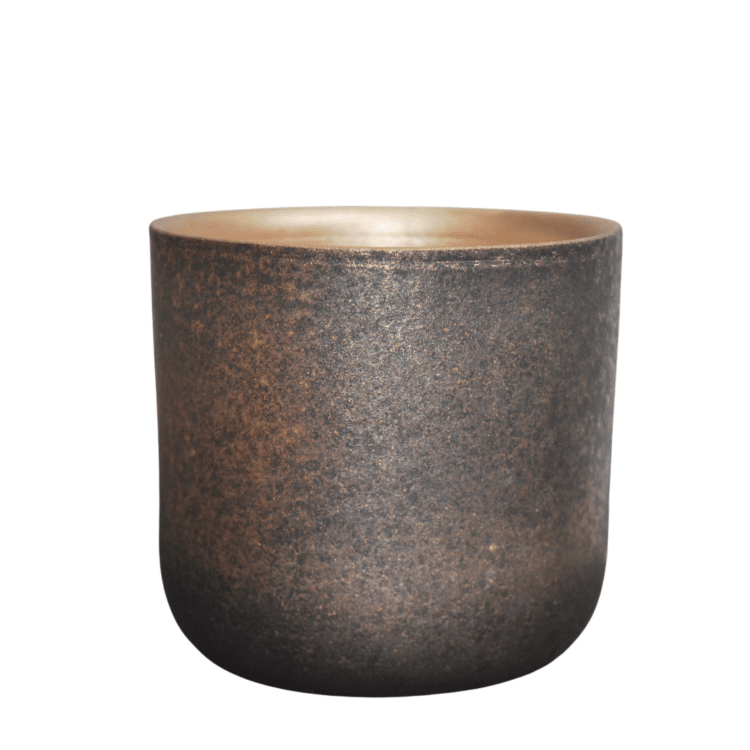
Common Mistakes to Avoid When Choosing Plant Pots
Even experienced plant owners fall into a few predictable traps. Choosing a pot for looks alone, without checking for drainage, is one of the most common issues, and one of the most damaging. Sizing up too quickly is another; a huge pot for a small plant leads to waterlogged soil the roots can’t use. Ignoring the plant’s natural preferences, putting a succulent in moisture-retentive glazed ceramic, for instance, sets it up to struggle from day one. Finally, overlooking weight and stability for tall plants can lead to pots tipping over as the plant grows.
When and How to Repot Your Plants
Most houseplants need repotting every 12-24 months, though fast growers may need it more often, and slow growers, like some cacti, can go several years between pots. Signs it’s time to repot include roots circling the base or poking through drainage holes, water running straight through without being absorbed, and growth that’s noticeably slowed despite good care.
To repot: water the plant a day beforehand, gently ease it out of its current pot, loosen the outer roots, and place it into a slightly larger pot with fresh potting mix, keeping the plant at the same depth it was growing before. Water well afterwards and avoid feeding for a few weeks while it settles. If you’re building good long-term habits, it’s also worth reading up on species-specific care. Our guide to cast iron plant care is a good example of how pot choice and repotting timing can vary by plant.
Final Thoughts
Choosing the right plant pots comes down to balancing three things: appropriate size, a material suited to your plant and watering style, and reliable drainage. Get those right, and your houseplants have everything they need to settle in and grow well with a style that suits your home on top. If you’re ready to find the right fit for your own collection, take a look through the full range of plant pots to find something that works for both your plants and your space.
Frequently Asked Questions
How do I choose the right size plant pot?
Choose a pot around 2-5cm wider in diameter than the plant’s current root ball. Avoid jumping several sizes at once, as oversized pots hold excess moisture the roots can’t use.
Do plant pots need drainage holes?
Yes. Drainage holes let excess water escape, preventing waterlogged soil and root rot. If you prefer a pot without one, use it as a decorative outer cover for a nursery pot instead.
What type of pot is best for indoor plants?
It depends on the plant and your watering habits. Porous materials like terracotta suit drought-tolerant plants, while plastic or glazed ceramic suits moisture-loving species. All should have drainage.
Are ceramic or plastic pots better?
Neither is universally better. Ceramic is heavier, more decorative, and often more breathable if unglazed. Plastic is lighter, cheaper, and retains moisture longer, which suits forgetful waterers.
How often should houseplants be repotted?
Most need repotting every 12-24 months. Watch for roots at the drainage holes, fast-draining water, or slowed growth as signs it’s time.
Can I use the same pot after repotting into fresh soil?
Yes, if the plant hasn’t outgrown it. Simply refresh the potting mix, trim any dead roots, and replant in the same pot if size and drainage are still adequate.
What’s the difference between a pot and a planter?
Pots are typically round and hold a single plant, while planters are often larger or rectangular and can hold multiple plants. The terms are frequently used interchangeably for indoor containers.


