
Walk into any modern office today and you’ll likely spot greenery tucked into corners, reception desks, and meeting rooms. That’s no accident. More and more businesses across the UK are choosing to hire indoor plants rather than buy them outright, and once you understand why, it’s easy to see the appeal. This guide covers everything you need to know about indoor plant hire, what it actually means, how it works, what it costs, and which plants suit your workspace best. Whether you’re furnishing a new office or simply want to green up a tired-looking reception area, you’ll find practical answers here.
What Is Indoor Plant Hire?
Indoor plant hire is a service where a company supplies, delivers, and maintains live plants in your workspace for a regular fee, rather than purchasing plants outright and looking after them yourself. Instead of buying a plant, potting it, and hoping it survives your office’s questionable lighting, you rent it. The provider handles delivery, styling, watering, feeding, pest control, and eventual replacement if a plant ever looks past its best.
Think of it a bit like leasing office equipment. You get the benefit without the hassle of ownership. Many businesses browse a dedicated hire indoor plants service to see exactly what’s on offer before committing to a plan.
How Indoor Plant Rental Actually Works
The process is usually straightforward:
● Consultation – A plant specialist assesses your space, lighting, footfall, and style preferences.
● Plant selection – You choose species and pot styles suited to your office conditions.
● Delivery and styling – Plants arrive already potted and are arranged on-site.
● Ongoing maintenance – A technician visits on a set schedule to water, prune, and inspect plants.
● Rotation or replacement – Any plant that’s struggling gets swapped out at no extra hassle to you.
It’s a genuinely low-effort way to bring life into a workspace, which is exactly why indoor plant rental has grown so popular with offices, co-working spaces, and reception areas.
Why Should Businesses Hire Indoor Plants?
There’s more to this than aesthetics, though a well-styled office certainly looks more inviting to clients and staff alike.
Air quality and wellbeing. Plants naturally filter indoor air, softening the effects of stale, recycled office air. Staff often report feeling more comfortable in green spaces.
Reduced stress. Greenery has a genuinely calming effect. Open-plan offices with visible plant life tend to feel less clinical and more human.
Professional appearance. Fresh, healthy plants signal that a business cares about detail, whereas dying or dusty plastic ones do the opposite.
No maintenance burden. Nobody in your team has to remember to water anything or feel guilty when the office fern inevitably dies.
Flexibility. Office layouts change. Teams grow, move desks, or shift to hybrid working. Rented plants can move, scale up, or scale down with you.
Can Indoor Plants Improve Employee Productivity?
This one comes up a lot, and there’s genuine substance behind it. Numerous workplace studies have linked visible greenery to improved concentration, lower reported stress, and better overall job satisfaction. Employees working near plants tend to take fewer sick days and report feeling more positive about their environment.
It’s not a magic fix for productivity, but as a low-cost addition to an office fit-out, plants punch well above their weight.
Is It Better to Hire Indoor Plants or Buy Them?
This is the question most businesses wrestle with, so let’s break it down properly. Buying plants outright means you own the assets, but you also own every problem that comes with them pests, overwatering, underwatering, and the awkward moment when a large plant simply outgrows its pot. Hiring indoor plants shifts all of that responsibility onto the provider. If a plant develops root rot or gets attacked by fungus gnats, it’s replaced, not your problem to solve.
For most offices, hiring wins out for a few clear reasons:
● No specialist plant knowledge required in-house
● Predictable monthly cost instead of unpredictable replacement expenses
● Access to larger, more impressive specimens you might not want to buy outright
● Professional styling that actually suits the space
If you do want a more permanent, low-fuss option, it’s worth comparing hire against artificial plants too, particularly for spaces with very poor natural light where live plants would always struggle.
What Are the Benefits of Indoor Plant Hire?
To summarise the core advantages in one place:
● Cost control – one predictable fee covers plants, pots, and upkeep
● Guaranteed appearance – tired plants are swapped, not left to decline
● Expert care – trained technicians know exactly what each species needs
● Seasonal flexibility – swap displays around events or seasons
● No long-term commitment – scale plant numbers up or down as your office changes
● Sustainability – live plants are recycled and reused across other client sites rather than discarded
Businesses researching indoor plants for offices often find that a mix of rented statement plants alongside smaller desk plants creates the best balance of impact and practicality.
Which Indoor Plants Are Best for Offices?
Not every plant copes well with air conditioning, fluorescent lighting, and inconsistent watering. Here are some reliable performers.
Low-Light, Low-Maintenance Options
● Snake Plant (Sansevieria) – tolerates neglect and low light with ease
● ZZ Plant – thrives in dim corners where most plants would sulk
● Peace Lily – copes with low light and even signals when it needs water by drooping slightly
Statement Plants for Reception Areas
● Fiddle Leaf Fig – bold, architectural, and instantly recognisable
● Kentia Palm – elegant and tolerant of indoor conditions
● Bird of Paradise – makes a striking centrepiece in larger lobbies
For bigger open-plan spaces or double-height receptions, businesses often look at large indoor plants to fill the space properly without it feeling like an afterthought.
Desk and Small Space Plants
● Pothos – trails nicely from shelves and hanging planters
● Chinese Money Plant – compact and cheerful on desks
● Spider Plant – hardy, easy, and genuinely difficult to kill
A good rental provider will match plant choice to your office’s actual light levels and footfall rather than just picking what looks nice in a catalogue. If you’re unsure where to start, this guide on how to choose the best indoor and garden plants for your space is a useful companion read.
Does Indoor Plant Hire Include Maintenance?
Yes, and this is genuinely one of the biggest selling points. A proper indoor plant hire package should include:
● Regular watering on a set schedule
● Feeding and soil health checks
● Pruning and leaf cleaning
● Pest and disease monitoring
● Replacement of any plant that isn’t thriving
Always confirm exactly what’s included before signing up. Some providers offer a fully comprehensive service, while others charge extra for replacements or emergency call-outs.
How Often Are Hired Indoor Plants Maintained?
Most office plant hire contracts include a visit every one to four weeks, depending on the plant types and office size. Larger, thirstier plants like Peace Lilies might need weekly attention, while hardy specimens like Snake Plants can go longer between visits. A reputable technician will also check for early signs of pest issues or leaf yellowing during each visit, catching problems before they become visible to your staff or visitors.
How Much Does Indoor Plant Hire Cost?
Pricing varies depending on a handful of factors:
● Number and size of plants – a single desk plant costs far less than a large statement specimen
● Pot and styling choices – decorative planters and matching accessories add to the cost
● Maintenance frequency – weekly visits cost more than monthly ones
● Contract length – longer-term agreements often work out cheaper per month
● Location and accessibility – city-centre offices with limited parking may incur small logistics costs
As a rough guide, small businesses might expect to pay a modest monthly fee for a handful of desk plants, while larger offices with statement floor plants and regular maintenance visits will sit at a higher tier. Most providers offer a free consultation and quote, so it’s worth getting a tailored figure rather than relying on averages.
Matching pots and accessories can also affect the final look and cost. Browsing options like plant pots and plant accessories beforehand gives you a clearer sense of styling choices available.
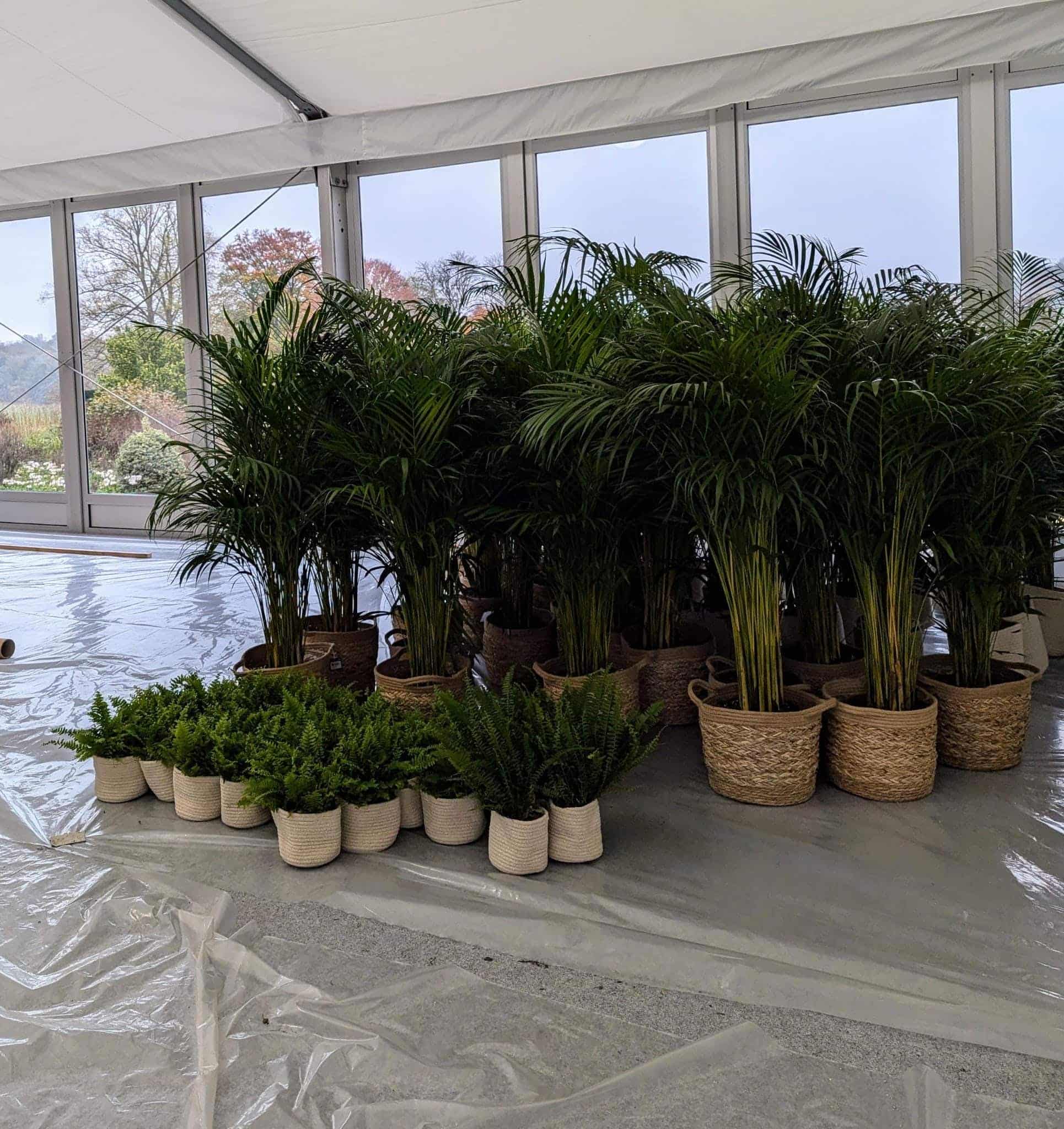
Can I Hire Indoor Plants for Events and Exhibitions?
Absolutely. Indoor plant rental service providers regularly supply short-term greenery for:
● Trade shows and exhibitions
● Product launches
● Corporate events and conferences
● Pop-up retail spaces
● Weddings and private functions held in commercial venues
Short-term hire works exactly the same way as ongoing office contracts, just condensed into days rather than months. Plants are delivered, styled, and collected after the event, with no long-term commitment required. If your event is outdoors or involves a courtyard space, it’s also worth exploring garden plants alongside indoor options to create a cohesive look across the whole venue.
How Do I Choose the Right Indoor Plant Hire Company?
Not all providers offer the same level of service, so it pays to compare a few before signing anything.
What Should I Look For in an Indoor Plant Rental Service?
Here’s a practical checklist:
Experience with commercial spaces. Office environments differ hugely from a domestic living room, so ask about their track record with businesses similar to yours.
Clear maintenance schedules. A good provider tells you upfront exactly how often technicians will visit and what each visit covers.
Plant health guarantees. Ask what happens if a plant declines between visits reputable companies replace it without fuss or extra charge.
Styling flexibility. Can they match pots to your brand colours or office interior? Good office plants providers tend to offer a range of planter styles rather than a one-size-fits-all approach.
Transparent pricing. Avoid vague quotes. Ask for a written breakdown covering plants, pots, delivery, and ongoing care.
Reviews and references. A quick look at existing client feedback tells you a lot about reliability and consistency.
Contract flexibility. Look for providers who let you scale plant numbers up or down as your business changes, rather than locking you into rigid long-term terms.
Taking the time to compare a couple of providers properly usually pays off in far fewer headaches down the line.
Final Thoughts
Choosing to hire indoor plants is one of the simplest ways to transform an office from flat and clinical to warm and welcoming, without adding a single task to your team’s to-do list. Between improved air quality, a calmer atmosphere, and a more professional first impression for visitors, it’s easy to see why so many businesses are moving away from buying plants and towards flexible rental agreements instead.
If you’re ready to green up your workspace properly, it’s worth speaking to a specialist who can assess your space and recommend the right mix of plants, pots, and maintenance schedule for your needs. A quick consultation is usually all it takes to get started and your office (and your staff) will thank you for it.
Frequently Asked Questions
1. What is indoor plant hire?
It’s a service where a company supplies live plants to your workspace and takes care of their ongoing maintenance, all for a regular fee, so you get the benefits of greenery without any of the upkeep.
2. Why should businesses hire indoor plants instead of buying them?
Hiring removes the risk and hassle of plant care. If a plant struggles, it’s replaced by the provider rather than becoming your problem, and costs stay predictable each month.
3. What types of indoor plants are best for offices?
Low-light, low-maintenance varieties like Snake Plants, ZZ Plants, and Peace Lilies work well in most offices, while Fiddle Leaf Figs and Kentia Palms suit brighter reception areas.
4. Does indoor plant hire include maintenance?
Yes, reputable providers include regular watering, feeding, pruning, and pest monitoring as standard, along with replacement of any underperforming plants.
5. How much does indoor plant hire cost?
Costs depend on plant size, quantity, styling, and maintenance frequency. Small offices pay far less than larger spaces with statement plants and weekly visits, so it’s best to request a tailored quote.
6. Can I hire indoor plants for short-term events?
Yes, many providers offer short-term hire for exhibitions, product launches, and corporate events, with delivery, styling, and collection all handled for you.
7. How often are hired indoor plants maintained?
Typically every one to four weeks, depending on the plant species and how demanding they are, with hardier plants needing less frequent visits.
8. How do I choose the right indoor plant hire service?
Look for commercial experience, clear maintenance schedules, transparent pricing, plant health guarantees, and flexible contract terms before signing up.


