
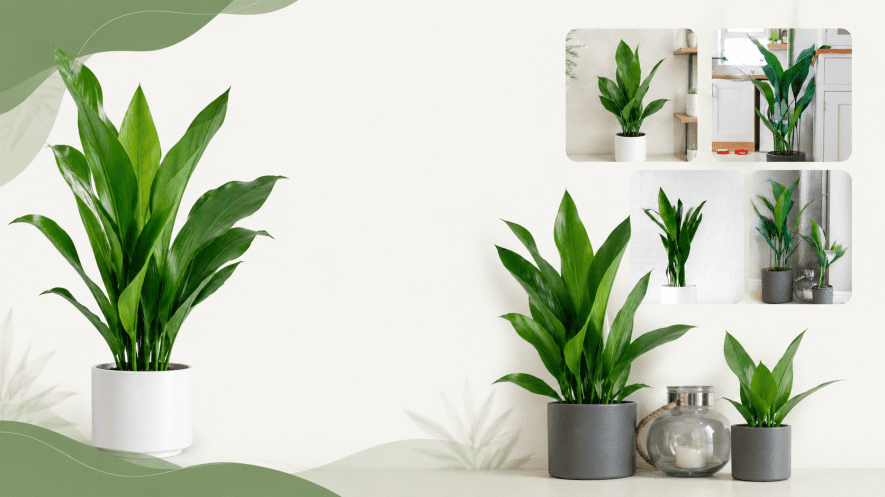
If you’ve ever wanted a houseplant that forgives forgotten waterings, tolerates gloomy corners, and still looks glossy and green year-round, the Cast Iron Plant deserves a spot on your shortlist. Loved by beginners and seasoned plant parents alike, this hardy evergreen has quietly become one of the most searched-for indoor plants in the UK and once you understand why, it’s easy to see the appeal. This guide covers everything you need to know: what the plant is, how to care for it, where to place it, common problems, and what to check before you buy one.
What is a Cast Iron Plant (Aspidistra elatior)?
The Cast Iron Plant, botanically known as Aspidistra elatior, is a slow-growing, clump-forming evergreen native to the forest floors of Japan and Taiwan. In its natural habitat, it grows beneath dense tree canopies, which explains its remarkable tolerance for low light and neglect. Its broad, dark green, lance-shaped leaves rise directly from the soil on sturdy stems, creating a lush, architectural look that suits both modern and traditional interiors. Unlike many trendy houseplants, it doesn’t demand constant attention which is precisely why it has stood the test of time.
Why is it Called a Cast Iron Plant?
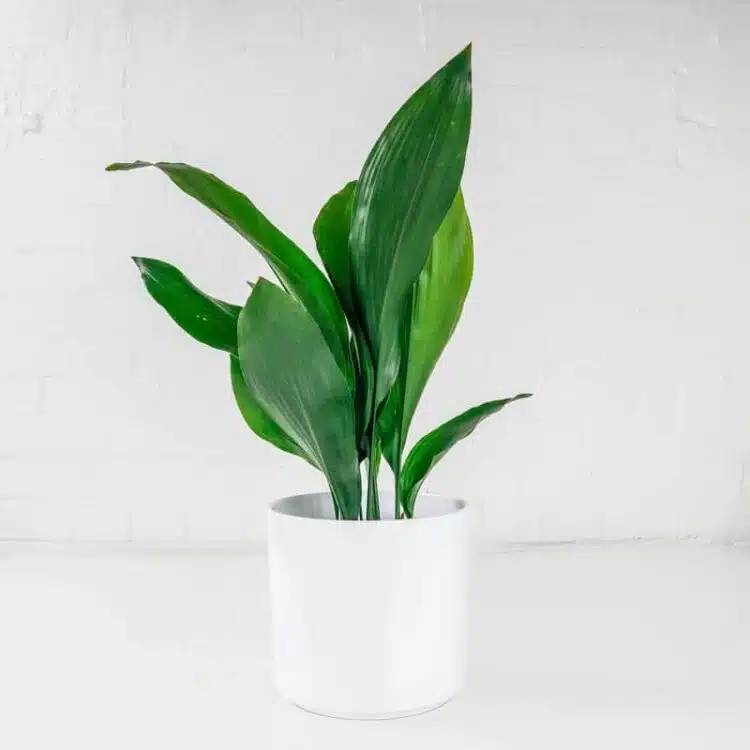
The name isn’t just clever marketing it’s earned. During the Victorian era, this plant became a household favourite in Britain because it could survive conditions that killed off most other greenery: poorly lit parlours, draughty hallways, coal-smoke-filled air, and inconsistent watering.
Gardeners nicknamed it the “Cast Iron Plant” because, much like the metal itself, it seemed almost indestructible. That reputation has carried through to today, making it a go-to choice for anyone who wants greenery without the guesswork.
Why is it a Popular Indoor Plant?
Several factors keep the Cast Iron Plant firmly on trend:
- It thrives in low light, making it ideal for offices and north-facing rooms.
- It tolerates irregular watering far better than most houseplants.
- It’s naturally pest-resistant when kept healthy.
- It has a long lifespan, often thriving for decades with minimal fuss.
- It suits both minimalist and maximalist interior styles.
For anyone browsing Indoor Plants for a low-maintenance option that still makes a visual statement, this plant consistently ranks among the top picks.
Cast Iron Plant Benefits for Homes and Offices
Beyond its good looks, there are practical Cast Iron Plant benefits worth knowing:
- Air quality support – like many broad-leaved evergreens, it helps contribute to a fresher indoor atmosphere.
- Low allergen risk – it doesn’t shed pollen or fragrance, making it suitable for sensitive households.
- Stress-reducing greenery – studies consistently link indoor plants to improved mood and reduced workplace stress.
- Pet-friendly reputation – while no plant should be eaten by pets, Cast Iron Plants are generally considered non-toxic, giving pet owners some peace of mind.
- Minimal maintenance cost – fewer replacements, less water, and no special equipment needed.
These qualities make it just as suited to a reception area as it is to a bedroom corner.
Complete Cast Iron Plant Care Guide
Light Requirements
Cast Iron Plants prefer low to medium indirect light and can even tolerate deep shade. Direct sunlight, however, can scorch the leaves, so avoid placing it on a bright, south-facing windowsill without some protection.
Watering Schedule
Water only when the top 4-5cm of soil feels dry to the touch typically every 1-2 weeks, depending on your home’s temperature and humidity. Overwatering is far more damaging than underwatering, so when unsure, wait a few extra days.
Soil Requirements
A well-draining, peat-free houseplant compost works best. Adding a little perlite or grit improves drainage and helps prevent waterlogging around the roots.
Temperature and Humidity
This plant is comfortable in average room temperatures between 12-24°C and isn’t fussy about humidity, making it perfect for centrally heated homes or air-conditioned offices.
Fertilising
Feed sparingly once a month during spring and summer with a balanced, diluted liquid fertiliser. Skip feeding entirely in autumn and winter, as the plant’s growth naturally slows down.
Pruning and Cleaning Leaves
Remove any yellowed or damaged leaves at the base with clean scissors. Wipe the remaining leaves gently with a damp cloth every few weeks to remove dust, which helps the plant photosynthesise more efficiently and keeps it looking glossy.
Repotting Tips
Cast Iron Plants are slow growers and rarely need repotting every 2-3 years is usually sufficient. Choose a pot only slightly larger than the current one, as they generally prefer being a little snug. Browse Plant Pots with good drainage holes to support healthy root development.
How to Grow and Maintain a Healthy Large Cast Iron Plant Indoors
If you’re aiming for an impressive, statement-sized specimen, patience is key. A Large Cast Iron Plant can take several years to develop its full, bushy form, but consistency pays off:
- Keep light conditions stable rather than moving the plant frequently.
- Rotate the pot occasionally so growth remains even on all sides.
- Divide the clump every few years if it becomes overcrowded, which encourages fuller, healthier growth.
- Pair it with the right supporting items, such as a moisture meter or watering can, available in Plant Accessories, to keep care consistent.
Best Places to Keep a Cast Iron Plant at Home or Office
Thanks to its shade tolerance, this plant works well in spots where other houseplants struggle:
- Hallways and stairwells with limited natural light
- North-facing living rooms
- Office corners away from windows
- Bathrooms with adequate ventilation
- Reception areas and waiting rooms
If you’re unsure which plant suits a particular room, our guide on How to Choose the Best Indoor and Garden Plants for Your Space can help you match plants to specific lighting and lifestyle needs.
Common Cast Iron Plant Problems and Solutions
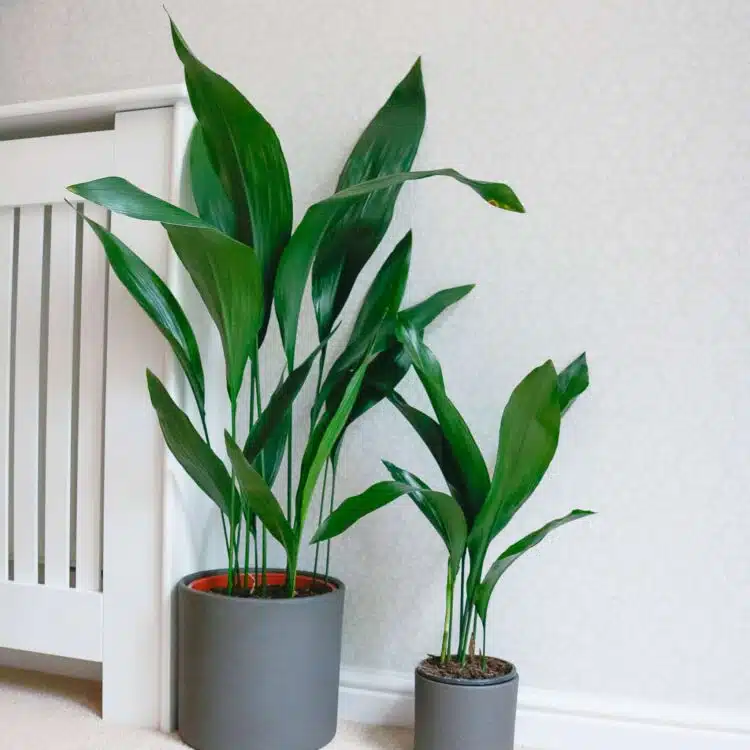
Yellow Leaves
Usually caused by overwatering or poor drainage. Let the soil dry out fully between waterings and check the pot has adequate drainage holes.
Brown Leaf Tips
Often linked to tap water with high mineral content, low humidity, or too much direct sun. Try using filtered or rainwater and move the plant slightly further from bright windows.
Root Rot
A result of consistently soggy soil. Remove the plant from its pot, trim away mushy, blackened roots, and repot into fresh, well-draining compost.
Pest Issues
Spider mites and mealybugs occasionally appear, particularly in dry indoor air. Wipe leaves regularly and treat any infestation early with a diluted horticultural soap solution.
Slow Growth
This is often completely normal, as Cast Iron Plants are naturally unhurried growers. However, insufficient light or a lack of feeding during the growing season can slow things further.
Why Beginners Choose This Low-Maintenance Indoor Plant
For anyone new to houseplants, the appeal is straightforward: it’s genuinely difficult to kill. It doesn’t need daily attention, adapts to imperfect conditions, and rewards even minimal care with steady, reliable growth. It’s the plant equivalent of a trustworthy friend always there, rarely demanding.
Buying Guide: What to Check Before You Buy a Cast Iron Plant
If you’re searching for a Cast Iron Plant for sale, keep these points in mind before you commit:
- Leaf condition – look for firm, deep green leaves without yellowing or brown patches.
- Soil moisture – avoid plants sitting in waterlogged or bone-dry compost, both indicate poor care.
- Pest check – inspect leaf undersides for webbing or small insects.
- Pot drainage – ensure the container has proper drainage holes.
- Reputable seller – buy from a trusted supplier that guarantees healthy, well-established plants.
Final Thoughts
The Cast Iron Plant proves that low-maintenance doesn’t mean low-impact. With its rich green foliage, resilience, and adaptability, it’s a plant that quietly elevates any room while asking very little in return. Whether you’re furnishing a shaded hallway, a busy office, or simply want a houseplant that won’t punish the occasional missed watering, this evergreen classic is well worth considering as you choose the right greenery for your space.
FAQs
1. What is a Cast Iron Plant?
It’s a hardy, evergreen houseplant known for its broad, dark green leaves and exceptional tolerance to low light and neglect.
2. How often should I water a Cast Iron Plant?
Roughly every 1-2 weeks, once the top few centimetres of soil have dried out. Always check before watering rather than following a fixed schedule.
3. Does a Cast Iron Plant need direct sunlight?
No. It prefers indirect or low light and can be damaged by prolonged direct sun exposure.
4. What are the main Cast Iron Plant benefits?
It supports better indoor air quality, requires minimal maintenance, suits low-light spaces, and is generally considered pet-friendly.
5. How big does a large Cast Iron Plant grow?
Indoors, mature plants typically reach 45-90cm in height, though this can take several years given their slow growth rate.
6. Is a Cast Iron Plant easy to care for beginners?
Yes, it’s widely regarded as one of the easiest houseplants to grow, tolerating inconsistent watering and low light with ease.
7. Why are my Cast Iron Plant leaves turning brown?
This is usually due to hard tap water, low humidity, or too much direct sunlight. Switching to filtered water often helps.
8. Can a Cast Iron Plant grow in low-light areas?
Absolutely it’s one of the few houseplants that genuinely thrives in shaded or dimly lit rooms.
9. How do I maintain a healthy Cast Iron Plant indoors?
Water only when needed, clean the leaves regularly, feed lightly during the growing season, and avoid moving it too often.
10. Where can I buy a healthy Cast Iron Plant?
You can buy a well-established, healthy plant directly from Plants Depot, with options suited to both small spaces and larger interiors.


