
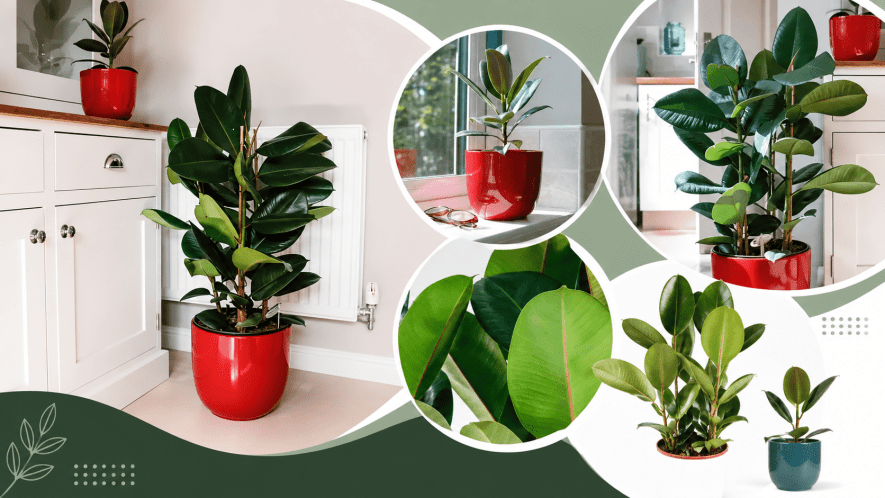
If you’ve ever walked into a home or office and spotted a tall, glossy-leaved plant standing proudly in the corner, chances are it was a Rubber Plant. With its thick, waxy leaves and effortless elegance, this houseplant has become a firm favourite among plant lovers, interior stylists and total beginners alike. But there’s more to the Rubber Plant than good looks. It’s remarkably forgiving, genuinely low-maintenance, and comes with a handful of wellbeing benefits that make it worth the windowsill space. In this guide, we’ll walk through everything you need to know about Rubber Plant care, from watering and light to propagation, common problems and the best spots to keep it indoors.
What Is a Rubber Plant?
The Rubber Plant, scientifically known as Ficus elastica, is a tropical evergreen tree native to Southern China, Indonesia and other parts of Southeast Asia. It’s often called the Rubber Tree Plant because of the milky white latex sap found in its stems, which was once used commercially to produce natural rubber.
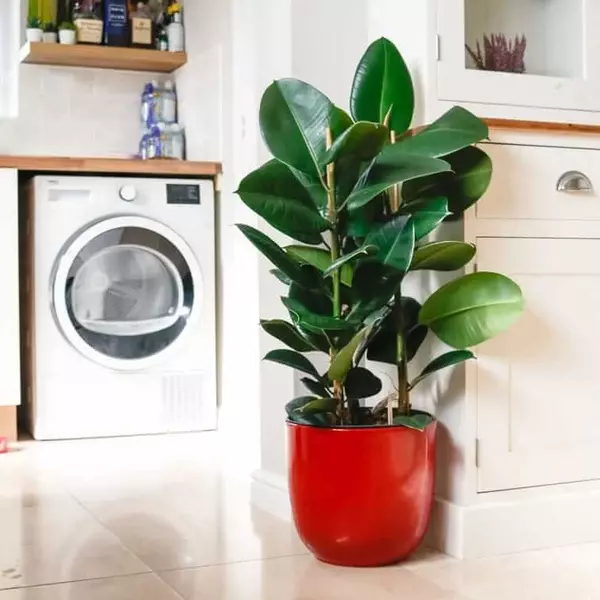
In its native habitat, a Rubber Plant can grow to towering heights. Indoors, though, it stays much more manageable, typically reaching between 1.5 and 3 metres, depending on the pot size and growing conditions. Its broad, glossy, dark green (or sometimes burgundy or variegated) leaves make it an instant statement piece in any room.
Is a Rubber Plant good for indoors? Absolutely. Its tolerance for varying light levels, its air-purifying qualities and its slow, steady growth habit make it one of the most reliable houseplants you can own.
Benefits of Keeping a Rubber Plant Indoors
Beyond its striking appearance, the Rubber Plant benefits go well beyond decoration.
- Improves air quality: Rubber Plants are known to help filter common indoor toxins such as formaldehyde, making your home or office feel fresher.
- Boosts humidity: Like most tropical plants, it releases moisture into the air through its large leaves.
- Reduces stress: Simply having greenery around has been linked to lower stress levels and improved focus.
- Low maintenance: It doesn’t demand constant attention, which makes it ideal for busy households or offices.
- Statement decor: Its bold, architectural leaves suit both minimalist and maximalist interiors.
If you’re building a green corner at home, pairing your Rubber Plant with other easy-going varieties like the Swiss Cheese Plant or the Money Tree creates a lush, layered look with minimal upkeep.
Rubber Plant Care Requirements
Learning how to care for a Rubber Plant properly comes down to getting a handful of basics right: light, water, soil, temperature and the occasional feed. Get these right, and your plant will reward you with glossy, healthy foliage for years. Is a Rubber Plant easy to care for? Yes it’s often recommended as a starter plant precisely because it tolerates a bit of neglect and bounces back quickly once conditions improve.
Watering Your Rubber Plant
How often should you water? The golden rule is to let the top few centimetres of soil dry out between waterings. Overwatering is the single biggest cause of problems in Rubber Plants, so it’s always better to underwater slightly than to drown the roots.
In spring and summer, this usually means watering once every 7-10 days. In autumn and winter, when growth slows down, you can stretch this to every 2-3 weeks. Should I mist my Rubber Plant? While misting isn’t essential, occasional light misting or wiping the leaves with a damp cloth helps remove dust, allows the leaves to “breathe” and keeps them looking shiny.
Light Requirements
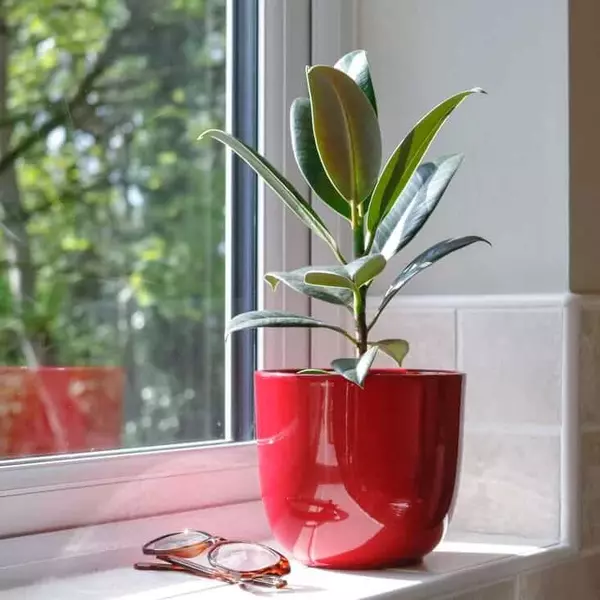
How much sunlight does a Rubber Plant need? It thrives in bright, indirect light. A spot near an east or west-facing window, filtered through a sheer curtain, is ideal.
Does a Rubber Plant need direct sunlight? Not quite harsh, direct midday sun can scorch its leaves, leaving brown patches. On the other hand, too little light will cause the plant to grow leggy and lose its lower leaves.
Can a Rubber Plant survive in low light? It can tolerate moderate low light for a while, but growth will slow considerably, and variegated varieties in particular may lose their colourful patterning and revert to plain green.
Best Soil for a Rubber Plant
A well-draining, peat-based potting mix works best. Adding a handful of perlite or coarse sand improves drainage and prevents waterlogging, which the roots are particularly sensitive to. A slightly acidic to neutral pH (around 6.0–7.5) suits it well.
Fertilising Your Rubber Plant
Feed your Rubber Plant with a balanced liquid houseplant fertiliser once a month during spring and summer, when it’s actively growing. Hold off on feeding in autumn and winter, as the plant naturally slows down and doesn’t need the extra nutrients.
Pruning and Shaping
Pruning isn’t just about controlling size it also encourages bushier, fuller growth. How do I make my Rubber Plant bushier? Simply trim the top of the main stem just above a leaf node during spring. This encourages the plant to branch out sideways rather than growing as a single tall stalk.
Always wear gloves when pruning, as the sap can irritate skin, and wipe away any drips with a damp cloth.
How to Propagate a Rubber Plant
Propagating a Rubber Plant is simpler than you might think:
- Take a healthy stem cutting, around 15cm long, with at least one or two leaves.
- Let the cut end dry for a few hours to seal the sap.
- Place the cutting in water or moist potting mix.
- Keep it in a warm, bright spot out of direct sunlight.
- Roots typically develop within 3-4 weeks.
Once rooted, treat the new plant just like a mature one, gradually increasing light and feeding as it establishes.
Common Problems and Solutions
Even the hardiest houseplants run into the occasional hiccup. Here’s how to spot and fix the most common issues.
Why are my Rubber Plant leaves turning yellow? This is usually a sign of overwatering or poor drainage. Check the soil moisture and root health, and adjust your watering schedule accordingly.
Why is my Rubber Plant dropping leaves? Leaf drop is often triggered by sudden changes in temperature, draughts, or a shift in light conditions. Keep your plant away from cold windows, radiators and air conditioning vents.
What are the signs of an unhealthy Rubber Plant? Watch for drooping leaves, brown crispy edges, sudden leaf drop, stunted growth or visible pests like spider mites and mealybugs. Catching these early makes recovery much easier.
For pests, a wipe-down with a damp cloth or a light spray of neem oil solution usually does the trick.
Best Places to Keep a Rubber Plant Indoors
Where is the best place to keep a Rubber Plant? Ideally, choose a bright room with filtered natural light living rooms, hallways, and well-lit corners near (but not directly against) a window all work beautifully. It also makes a fantastic centrepiece in offices, where it adds a natural, calming touch to the workspace.
If you’re furnishing a commercial space, it’s worth browsing our guide to Indoor Plants for Offices for more inspiration, or consider options to Hire Indoor Plants if you’d rather not commit to buying and maintaining plants yourself.
For homes, pairing your Rubber Plant with a dramatic Bird of Paradise creates a lush, tropical feel that instantly elevates any living space.
Rubber Plant Care at a Glance
| Requirement | Ideal Condition |
| Light | Bright, indirect light; avoid harsh direct sun |
| Watering | Every 7–10 days in summer; every 2–3 weeks in winter |
| Humidity | Moderate to high (40–60%) |
| Temperature | 15°C to 25°C; avoid draughts and cold spots |
| Soil | Well-draining, peat-based mix with perlite |
| Fertiliser | Balanced liquid feed, monthly in spring and summer |
Common Mistakes to Avoid
- Overwatering: The most frequent cause of root rot and yellowing leaves.
- Placing it in direct sun: Leads to scorched, brown leaf patches.
- Ignoring drainage: Pots without drainage holes trap excess water at the roots.
- Ignoring dust build-up: Dusty leaves block light absorption and dull their shine.
- Repotting too often: Frequent repotting can stress the plant unnecessarily.
- Sudden environmental changes: Moving the plant around too much can trigger leaf drop.
Tips for Beginners
- Start with a smaller plant it’s easier to acclimatise and less costly if mistakes happen along the way.
- Use the “finger test” before watering: if the top 3cm of soil feels dry, it’s time to water.
- Rotate your plant every few weeks so it grows evenly towards the light.
- Keep it away from pets and children, as the sap can cause irritation if ingested or touched.
- Be patient Rubber Plants grow steadily but reward consistency over time.
If you’re just starting your plant journey, browsing a wider range of Indoor Plants can help you find companions that suit your space and lifestyle.
Final Thoughts
The Rubber Plant truly earns its popularity because it’s forgiving, striking, and brings genuine benefits to any indoor space, whether you’re a seasoned plant parent or just getting started. With the right balance of light, water and the occasional feed, it will reward you with lush, glossy growth for years to come. How long does a Rubber Plant live? With proper care, it can thrive indoors for decades, gradually growing into a magnificent focal point in your home or office. Ready to bring one home? Explore our full Rubber Plant collection and discover the perfect addition to your indoor jungle today.
FAQs
1. How often should I water a Rubber Plant?
Water once the top 2-3cm of soil feels dry to the touch typically every 7–10 days in warmer months and every 2-3 weeks in winter. Always check the soil before watering rather than sticking to a rigid schedule.
2. Does a Rubber Plant need direct sunlight?
No. It prefers bright, indirect light. Direct, harsh sunlight-especially through an unfiltered window can scorch its leaves and cause brown patches.
3. What is the best soil for a Rubber Plant?
A well-draining, peat-based potting mix with added perlite or coarse sand works best. This prevents waterlogging while still retaining enough moisture for healthy root growth.
4. Why are my Rubber Plant leaves turning yellow?
Yellowing leaves are most commonly caused by overwatering or poor drainage. Reduce watering frequency, check that your pot drains well, and inspect the roots for signs of rot.
5. How do I encourage my Rubber Plant to grow faster?
Provide bright, indirect light, feed monthly during the growing season, keep temperatures between 15°C and 25°C, and report when the roots become crowded. Consistent care encourages steady, healthy growth.
6. Is a Rubber Plant safe for pets?
Rubber Plants are mildly toxic to cats and dogs if chewed or ingested, as the sap can irritate the mouth and stomach. It’s best kept out of reach of curious pets.
7. When should I report my Rubber Plant?
Repot every 1-2 years, ideally in spring, once you notice roots poking through the drainage holes or growth slowing despite good care. Choose a pot only slightly larger than the current one.
8. Can a Rubber Plant improve indoor air quality?
Yes. Rubber Plants are known for helping filter airborne toxins such as formaldehyde, making them a practical and attractive addition to homes and offices alike.


