
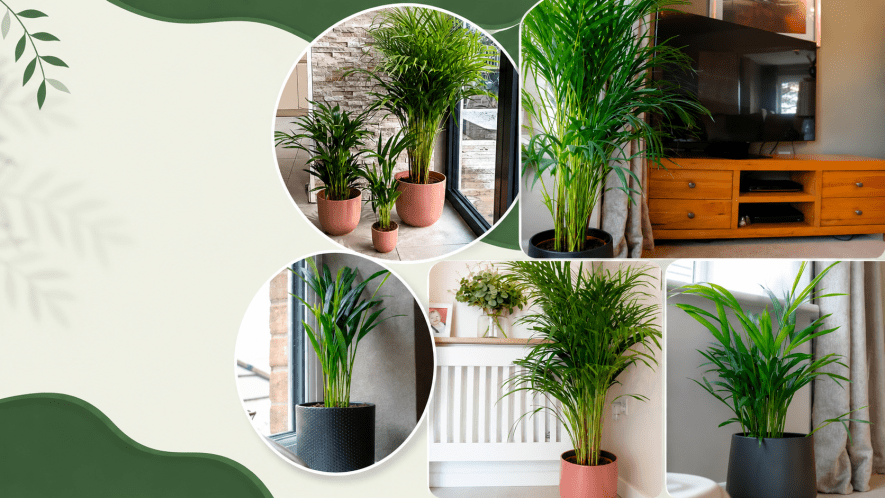
If you’ve ever walked into a room and instantly felt calmer because of a lush, feathery green plant sitting quietly in the corner, there’s a good chance it was an Areca Palm. This plant has become something of a favourite among indoor gardeners, and honestly, it’s easy to see why. It looks tropical, it’s relatively forgiving, and it does a genuinely good job of freshening up the air in your home. In this guide, we’ll walk through everything you need to know about Areca Palm care, from light and watering to repotting and common problems. Whether you’re a complete beginner or you’ve killed one too many houseplants, this guide will help you keep your Areca Palm thriving all year round.
What Is an Areca Palm?
The Areca Palm (Dypsis lutescens), sometimes called the Butterfly Palm or Golden Cane Palm, is a clumping, feather-leaved palm native to Madagascar. In its natural habitat, it can grow quite tall, but as a houseplant, it typically stays between 1.8 and 2.4 metres, making it a manageable yet impactful addition to any indoor space.
What makes it so popular isn’t just its looks, though the arching, golden-green fronds are genuinely striking. It’s also valued for being relatively low-maintenance compared to other tropical plants, while still giving your home that jungly, resort-style feel. If you’re browsing for one, you’ll find a healthy, ready-to-grow specimen on the Areca Palm product page, along with plenty of other options in the indoor plants range.
Top Areca Palm Benefits
People often ask, “is it actually worth having an Areca Palm indoors, or is it just a pretty face?” The truth is, the Areca Palm benefits go well beyond aesthetics.
- Air purification – It’s known to help filter out common indoor toxins and release fresh oxygen.
- Natural humidifier – Areca Palms release moisture into the air through their leaves, which can help with dry indoor conditions, especially in winter.
- Stress reduction – Numerous studies link indoor greenery to lower stress and improved mood.
- Pet-friendly – Unlike many houseplants, it’s non-toxic to cats and dogs.
- Versatile styling – It suits minimalist, boho, and traditional interiors equally well.
Why Areca Palm Is One of the Best Indoor Plants
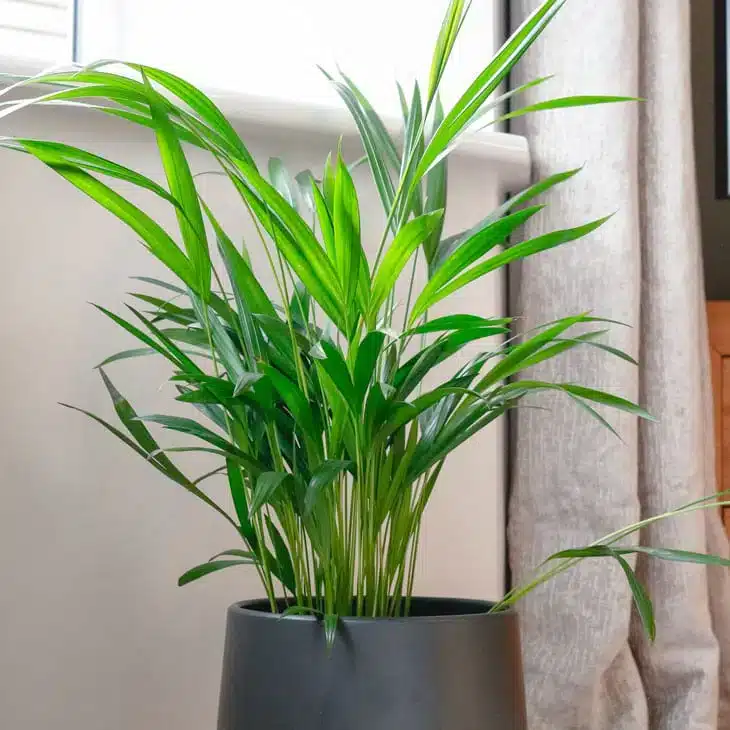
So why does this particular palm keep showing up on every “best indoor plants” list? A few reasons stand out. Firstly, it tolerates a range of indoor lighting conditions better than many tropical plants. Secondly, it grows in a naturally full, bushy shape without much intervention, so you don’t need to prune constantly to keep it looking neat. And thirdly, it’s simply resilient. Miss a watering day here and there, and it won’t sulk the way some finicky plants do. If you’re comparing it to other statement plants, you might also want to look at the Kentia Palm or the Bird of Paradise, both of which bring similar tropical energy but with slightly different care needs.
Complete Areca Palm Care Guide
Let’s get into the specifics of Indoor Areca Palm care, because getting the basics right really does make all the difference.
Light Requirements
Areca Palms love bright, indirect light. A spot near an east or west-facing window is usually ideal. Direct, harsh afternoon sun can scorch the leaf tips, so if your window gets intense sunlight, sheer curtains or a slight setback from the glass will help. Too little light isn’t great either, the plant will grow leggy and its colour will fade. Aim for that sweet spot: bright but filtered.
Watering Schedule
This is where most people go wrong. Areca Palms prefer consistently moist soil, but they absolutely hate sitting in water. A good rule of thumb is to water when the top 2–3cm of soil feels dry to the touch.
- In summer, this might mean watering once a week.
- In winter, it could stretch to every 10–14 days.
Always check the pot has good drainage, as waterlogged roots are one of the fastest ways to kill this plant.
Soil and Potting Mix
A well-draining, slightly acidic potting mix works best. A blend of standard potting soil with perlite or coarse sand improves drainage and prevents root rot. Avoid dense, clay-heavy soils that hold too much water.
Temperature and Humidity
Areca Palms are tropical at heart, so they prefer temperatures between 18°C and 27°C. Keep them away from cold draughts, air conditioning vents, and radiators. Humidity matters too. If your home is on the drier side, misting the leaves occasionally or placing a humidity tray beneath the pot can make a noticeable difference.
Fertilising Tips
Feed your Areca Palm with a balanced liquid fertiliser once a month during the growing season (spring and summer). In autumn and winter, growth naturally slows, so you can cut back to once every two months or stop altogether. Over-fertilising can cause brown leaf tips, so when in doubt, less is more.
Pruning and Maintenance
Areca Palms don’t need heavy pruning. Simply trim away yellow or brown fronds at the base using clean, sharp scissors. This keeps the plant looking tidy and redirects energy to healthy new growth. Wiping the leaves occasionally with a damp cloth also helps them photosynthesise more efficiently.
How to Repot an Areca Palm
Areca palms don’t love being disturbed too often, but repotting every 2-3 years helps refresh the soil and give the roots room to grow.
- Choose a pot roughly 5cm larger in diameter than the current one.
- Gently loosen the plant from its old pot, being careful with the roots.
- Add fresh, well-draining potting mix to the new container.
- Position the plant centrally and fill in around the roots.
- Water thoroughly and place in indirect light for a week or two to reduce transplant stress.
The best time to report is in spring, right as the growing season kicks in.
Best Places to Keep an Indoor Areca Palm
Areca Palms work brilliantly in living rooms, bright hallways, and home offices. They also make a lovely statement near a bathroom window, since the natural humidity from showers mimics their preferred tropical environment.
Avoid placing them directly beside heaters, in dark corners, or in draughty entryways. If you’re still deciding where a tropical plant fits best in your home, our guide on everything you need to know before buying indoor plants online has some useful pointers.
Is Areca Palm Pet Friendly?
Yes and this is one of the biggest reasons pet owners gravitate towards it. The Areca Palm is non-toxic to cats and dogs, according to the ASPCA’s list of pet-safe plants. That said, it’s still a good idea to discourage pets from chewing on the leaves regularly, simply because ingesting large amounts of any plant material can cause mild stomach upset. If you’re after other pet-safe greenery, the Swiss Cheese Plant is a popular choice too, though it’s worth double-checking pet safety for each specific variety before buying.
Tips for Keeping Your Areca Palm Healthy Throughout the Year
- Spring: Repot if needed, resume regular fertilising.
- Summer: Water more frequently, watch for pests due to warmer conditions.
- Autumn: Reduce feeding, keep an eye on dropping temperatures near windows.
- Winter: Water sparingly, maintain humidity, and keep away from cold draughts and heaters.
Rotating the pot every few weeks also encourages even, symmetrical growth, since the plant naturally leans toward its light source.
Bringing It All Together
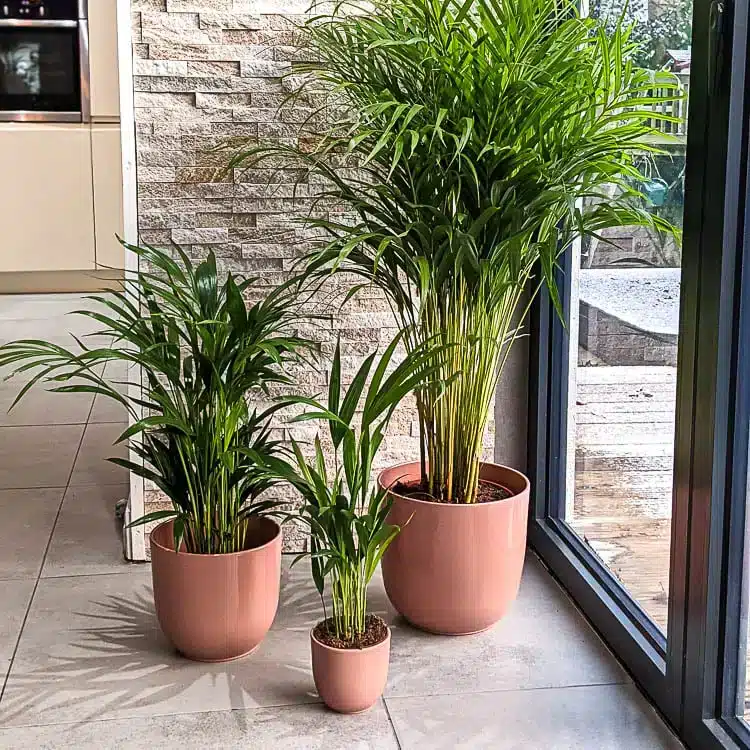
The Areca Palm genuinely earns its reputation as one of the best low-fuss, high-reward indoor plants you can bring home. With the right light, a sensible watering routine, and a little seasonal attention, it’ll reward you with lush, graceful fronds for years to come.
At Plants Depot, we’ve seen first-hand how much life this plant can bring into a home, whether it’s brightening up a reading nook or softening a busy office space. If you’re ready to bring one home, take a look at our Areca Palm product page and get started on your own indoor jungle today. And if you’re exploring other options, our garden plants and artificial plants collections are worth a browse too.
Frequently Asked Questions
1. How often should I water an Areca Palm?
Water your Areca Palm once the top 2-3cm of soil feels dry, roughly once a week in summer and every 10-14 days in winter. Avoid letting it sit in waterlogged soil, as this leads to root rot. Consistency matters more than frequency, so check the soil regularly rather than following a strict fixed schedule.
2. Does an Areca Palm need direct sunlight?
No, Areca Palms prefer bright, indirect light rather than direct sunlight. Harsh direct rays, particularly in the afternoon, can scorch the leaves and cause brown patches. A spot near an east or west-facing window with filtered light is ideal for healthy, even growth.
3. Why are my Areca Palm leaves turning brown?
Brown leaf tips are usually caused by low humidity, fluoride or chlorine in tap water, or over-fertilising. To fix this, increase humidity around the plant, switch to filtered water, and reduce feeding frequency. Trimming already-damaged tips also helps the plant look tidier while it recovers.
4. Is an Areca Palm easy to care for?
Yes, the Areca Palm is considered a beginner-friendly houseplant. It tolerates a range of indoor conditions, doesn’t require frequent pruning, and forgives occasional missed waterings. As long as you avoid overwatering and provide bright, indirect light, it’s a fairly low-maintenance plant overall.
5. Can an Areca Palm improve indoor air quality?
Yes, Areca Palms are known for their air-purifying qualities. They help filter common indoor toxins and release oxygen, while also naturally increasing humidity in the surrounding air. This makes them a popular choice for bedrooms, living rooms, and home offices alike.
6. Is an Areca Palm safe for pets?
Yes, the Areca Palm is non-toxic to both cats and dogs, making it one of the safer tropical houseplants for pet owners. However, it’s still wise to discourage pets from chewing the leaves regularly, as ingesting large amounts of plant material can occasionally cause mild digestive upset.
7. How fast does an Areca Palm grow?
Areca Palms have a moderate growth rate, typically adding several new fronds per year under good indoor conditions. Growth slows considerably in winter and picks up again during spring and summer, especially with adequate light, warmth, and regular feeding.
8. When should I report my Areca Palm?
Report your Areca Palm every 2-3 years, ideally in spring when it enters its active growing season. Signs it’s time include roots circling the pot’s base, water draining too quickly, or visibly slowed growth. Choose a pot only slightly larger than the current one.
9. What is the best soil for an Areca Palm?
A well-draining, slightly acidic potting mix works best for Areca Palms. Combining standard potting soil with perlite or coarse sand improves drainage and prevents waterlogging, which helps protect the roots from rot while still retaining enough moisture for healthy growth.
10. How do I keep my Indoor Areca Palm healthy throughout the year?
Keep your Areca Palm healthy by adjusting care with the seasons: water more in summer, less in winter, feed during the growing season, and maintain consistent humidity. Rotate the pot occasionally, keep it away from draughts, and prune damaged fronds as needed.


