
Standing in front of a garden centre display (or scrolling through page after page online) trying to pick the “right” plants can feel a bit overwhelming. Will it survive the British weather? Does it need full sun? Is it going to take over the whole border by August? If you’ve ever asked yourself these questions, you’re in the right place. This guide walks through everything you need to know about garden plants, what they are, why the right choice matters, and how to pick plants that will genuinely thrive in your outdoor space, whether that’s a sprawling back garden or a compact balcony.
And if you’re ready to start shopping once you’ve got your bearings, our full garden plants collection is always open for browsing.
What Are Garden Plants?
Garden plants are simply any plants grown outdoors in beds, borders, containers, or pots rather than indoors. This broad category includes everything from towering trees and structural shrubs to delicate flowering perennials, ornamental grasses, and climbing plants that scramble up walls and trellises.
Unlike houseplants, garden plants are chosen to cope with the UK’s outdoor conditions: rain, frost, wind, and everything in between. Some are evergreen and keep their leaves all year; others are deciduous and go dormant over winter before bursting back to life in spring.
Why Choosing the Right Garden Plants Matters
It’s tempting to buy whatever looks prettiest on the day. But a plant that looks lovely in the pot at the garden centre might struggle badly once it’s in your soil, facing your local weather, and competing with your garden’s light levels.
Choosing the right plants matters because it affects:
- Survival rate – the wrong plant in the wrong spot often dies within a season
- Maintenance time – some plants need constant attention; others are practically self-sufficient
- Long-term cost – replacing failed plants adds up quickly
- Garden appearance – mismatched plants can look patchy or unbalanced
Getting it right from the start saves money, time, and a fair bit of frustration. It’s one of the most common questions gardeners ask: what are the best garden plants for beginners? The honest answer is that beginner-friendly plants are usually tough, forgiving of the odd missed watering, and unfussy about soil think hardy geraniums, lavender, and evergreen shrubs.
Different Types of Garden Plants
Garden plants generally fall into a handful of categories, and most gardens benefit from a mix of several.
Evergreen Plants
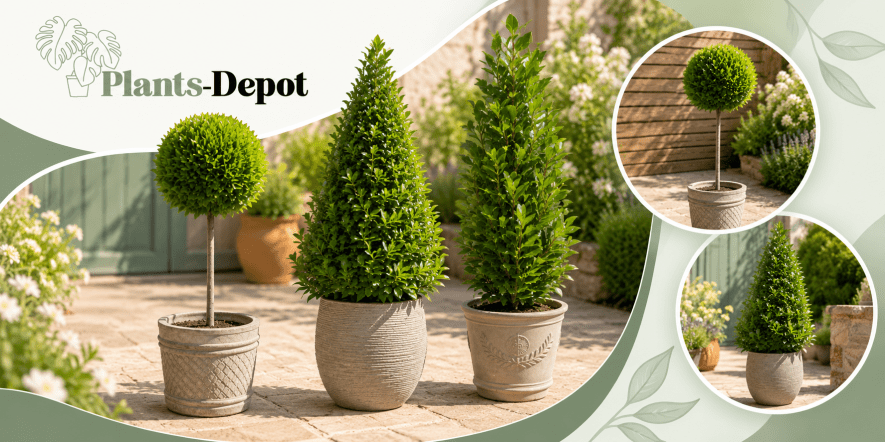
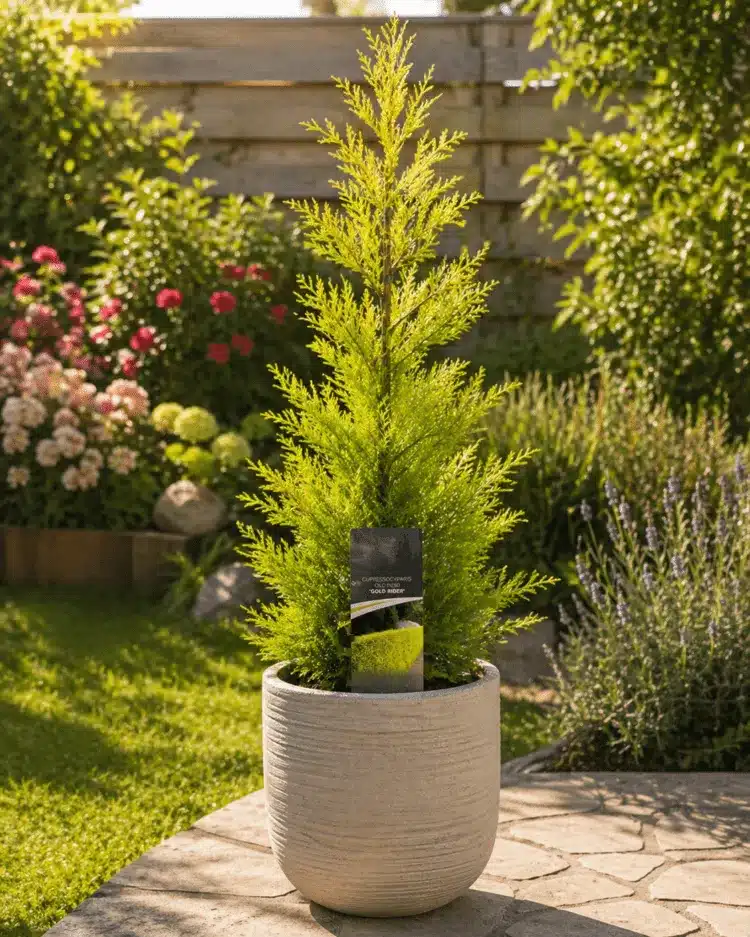
Evergreens keep their foliage year-round, giving your garden structure and colour even in the depths of winter. Popular options include box, holly, and various conifers. If you’re wondering what are the best evergreen garden plants, look for varieties suited to UK winters such as euonymus, laurel, and pittosporum.
Flowering Plants
These are the showstoppers plants grown primarily for their blooms. Some flower for a few weeks, others for months. If you’re after outdoor plants that flower all year, you’ll need to combine several varieties with staggered bloom times, since very few single plants flower continuously in the UK climate. Winter pansies, spring bulbs, summer roses, and autumn asters can be layered together for near-constant colour.
Shrubs
Shrubs are the backbone of most borders woody, bushy plants that provide shape and volume. They range from compact dwarf varieties to large specimens that need real space. Browse our shrubs range for options suited to hedging, borders, or standalone focal points.
Ornamental Grasses
Grasses add movement and texture that other plants simply can’t. They rustle in the wind, catch the light beautifully, and many are remarkably low-maintenance. Our grasses selection includes varieties for both sunny and partially shaded spots.
Climbers
Climbing plants like clematis, jasmine, and climbing roses are perfect for softening fences, walls, and pergolas. They’re especially useful in small gardens, where vertical space often goes unused.
Trees
Even a modest garden can usually accommodate a small ornamental tree. Trees provide height, seasonal interest, and habitat for wildlife. Take a look at our trees collection if you’re considering adding one.
Perennials
Perennials come back year after year, dying down in winter and regrowing in spring. They’re a cost-effective choice since you’re not replanting annually, and many, like hardy geraniums and salvias, are relatively low-maintenance once established.
How to Choose the Best Garden Plants for Your Outdoor Space
Before buying anything, it helps to answer a few honest questions about your garden:
- How much sun does the space get? Watch it across a full day if you’re not sure.
- What’s your soil like? Heavy clay, sandy, or loamy soil all suit different plants.
- How much time can you realistically give it? Be honest here low-maintenance choices exist for a reason.
- What’s the space actually for? Purely decorative, or do you want herbs and edibles too?
If you’re also considering growing food, our herbs range is a great low-effort way to combine practicality with greenery.
Best Garden Plants for UK Gardens
The UK’s mild, damp climate suits a specific range of plants well. When people ask what plants grow best in UK gardens, the reliable answers tend to be:
- Hardy geraniums – tough, long-flowering, and shade-tolerant
- Lavender – loves free-draining soil and full sun
- Hydrangeas – thrive in the UK’s cooler, damper summers
- Boxwood (Buxus) – classic for structure and hedging
- Roses – with so many hardy varieties bred specifically for British conditions
These plants have earned their reputation because they cope well with unpredictable weather, from wet spring soils to occasional summer dry spells.
Garden Plants for Small Gardens, Front Gardens, Back Gardens, Patios, and Balconies
Not every outdoor space is a sprawling lawn, and that’s absolutely fine.
- Small gardens – prioritise compact shrubs, climbers on trellises, and vertical planting to make the most of limited ground space.
- Front gardens – go for tidy, structural evergreens and low hedging that look neat year-round with minimal upkeep.
- Back gardens – usually the space for statement trees, perennials, and larger shrubs where you have more room to experiment.
- Patios – container-grown shrubs, small trees, and trailing flowers work brilliantly here.
- Balconies – lightweight pots with compact perennials, herbs, and trailing plants make the most of a small footprint.
Can garden plants be grown in pots? Yes many garden plants, including dwarf shrubs, perennials, and even small trees, do perfectly well in containers, provided the pot is large enough and has good drainage. Pair the right plant with a suitable container from our plant pots range for the best results.
Low-Maintenance Garden Plants
If free time is limited, which garden plants are easiest to maintain? Generally, look for:
- Hardy geraniums
- Lavender
- Sedum
- Ornamental grasses
- Evergreen shrubs like euonymus or box
These plants tolerate occasional neglect, don’t need frequent pruning, and cope well with the UK’s variable rainfall.
Garden Plants for Sunny and Shaded Areas
Sunny spots suit plants like lavender, roses, and most ornamental grasses, which need at least six hours of direct sun to flower and grow well.
Shaded areas are better suited to hardy geraniums, ferns, hostas, and many evergreen shrubs, which tolerate lower light levels without becoming leggy or sparse.
Matching the plant to the light level is one of the single biggest factors in whether it thrives or simply survives.
Seasonal Planting Tips
When is the best time to plant garden plants? In the UK, autumn and early spring are generally considered ideal, since the soil is workable and temperatures aren’t extreme in either direction. That said:
- Spring – good for tender perennials and summer-flowering plants
- Autumn – ideal for trees, shrubs, and hardy perennials, giving roots time to establish before winter
- Winter – mostly a dormant period, though evergreens can still be planted in mild spells
- Summer – fine for container plants, but requires more careful watering
Common Mistakes to Avoid When Buying Garden Plants
- Buying without checking the plant’s eventual size
- Ignoring soil type and drainage needs
- Placing sun-loving plants in shade (or vice versa)
- Overcrowding beds, which restricts airflow and growth
- Forgetting to check hardiness for UK winters
Practical Care Tips for Healthy Garden Plants Year-Round
- Water deeply but less frequently, rather than little and often
- Mulch borders in spring to retain moisture and suppress weeds
- Prune at the correct time for each specific plant type
- Feed perennials and shrubs during their active growing season
- Check pots regularly for drainage, since waterlogging is a common killer of container plants
Benefits of Buying Garden Plants Online
Shopping for garden plants online has genuinely changed how UK gardeners build their outdoor spaces. Some real advantages include:
- Wider selection than most local garden centres can stock
- Convenience of browsing and comparing at your own pace
- Detailed plant information to help you choose correctly the first time
- Delivery to your door, which is especially handy for larger plants and trees
If you’d rather skip the guesswork of live plants altogether, our artificial plants and artificial trees ranges offer a maintenance-free alternative that still looks the part.
Why Plants Depot Is a Trusted Place to Buy Garden Plants Online in the UK
When you buy garden plants online in the UK, you want a supplier who understands British growing conditions and stands behind the quality of what they send out. At Plants Depot, we specialise in plants chosen specifically for UK gardens, with clear care guidance for every listing so you’re never left guessing.
Whether you’re after garden plants for home, structural shrubs, or something for a shaded corner of the garden, our team has put together a range that reflects real gardening experience not just what looks good in a photo. You can learn more about our approach on our about us page, or get in touch directly via our contact us page if you need advice before ordering. If you’re planning a full garden refresh, it’s also worth browsing our indoor plants collection to bring some of that greenery inside too. Ready to Start Planting? Choosing the right garden plants doesn’t have to be complicated, it just takes a bit of honesty about your space, your soil, and how much time you’ve got to give. Once you know what you’re working with, the options open up quickly. Ready to bring your garden to life? Browse our full garden plants collection at Plants Depot and find plants chosen specifically for UK gardens, homes, and outdoor spaces of every size.
Frequently Asked Questions
1. What are the best garden plants for beginners?
Hardy geraniums, lavender, and evergreen shrubs are great starting points, since they’re forgiving, low-maintenance, and well-suited to UK conditions.
2. Which garden plants are easiest to maintain?
Sedum, ornamental grasses, and most evergreen shrubs need minimal attention once established, making them ideal for busy gardeners.
3. Can garden plants be grown in pots?
Yes, many shrubs, perennials, and even compact trees grow well in containers, provided the pot size and drainage suit the plant.
4. When is the best time to plant garden plants?
Autumn and early spring are generally best in the UK, as the soil is workable and conditions aren’t too extreme.
5. What plants grow best in UK gardens?
Hardy geraniums, lavender, hydrangeas, boxwood, and UK-bred roses are all well-suited to the British climate.


