

Getting the moisture level right is one of the hardest parts of looking after indoor plants. Water too often and the roots sit in soggy compost. Forget for a week and the leaves start to droop. Self-watering plant pots aim to take some of the guesswork out of this. They give your plant a steady water supply and let you top up less often. They don’t suit every plant or every home, though. This guide explains how these pots work, where they help, where they cause problems, and whether they’re worth buying in 2026.
What Are Self-Watering Plant Pots?
A self-watering pot stores water in a separate reservoir and lets the plant draw it up as needed. A conventional pot works the other way round: you pour water on top, and it drains out through the base.
Most designs share four basic parts:
- Water reservoir: a chamber, usually at the bottom, that holds the water supply.
- Growing area: the section that holds the compost and the plant’s roots.
- Wicking or capillary system: a wick, cord or column of compost that carries water upwards.
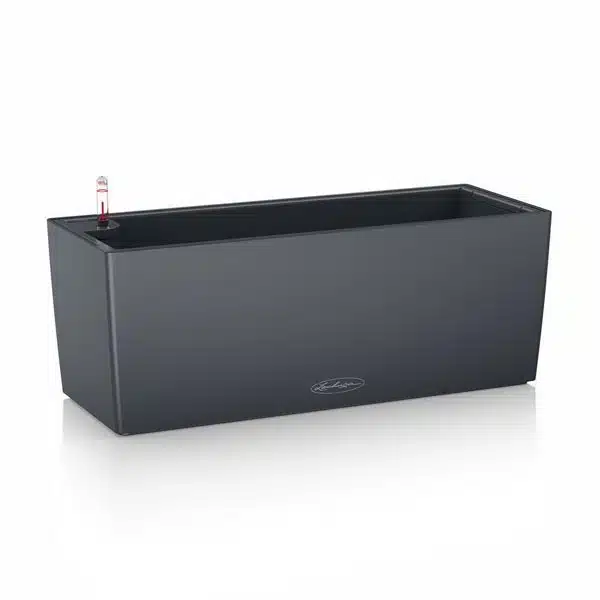
- Water-level indicator: a gauge or window on some models that shows when the reservoir needs a refill.
Designs vary between brands, so check how your particular pot works before you plant it.
How Do Self-Watering Plant Pots Work?
The process relies on capillary action. Water travels from the reservoir into the compost through the wick or the contact point between the two chambers. The compost absorbs it, and the roots take what they need.
When the compost dries, it pulls in more water. When it holds enough moisture, it pulls in less. This is how the pot keeps conditions fairly steady.
The system still needs your attention. You have to refill the reservoir, check the compost, and watch how your plant responds. A self-watering pot reduces how often you water. It doesn’t remove the job.
What Are the Benefits of Self-Watering Plant Pots?
The main self watering plant pots benefits come down to convenience and consistency.
More consistent moisture. The compost stays evenly damp instead of swinging between soaked and bone dry. Many plants respond well to that steadiness.
Less frequent watering. You top up a reservoir rather than water every few days. Depending on the plant, pot size and room temperature, that can mean weeks between refills.
Easier monitoring. A gauge or a quick look at the reservoir tells you when to act. You don’t have to poke a finger into the compost each time.
Useful for busy owners. People who travel for work, or who simply forget, often find these pots forgiving. Short absences become far less stressful.
A good match for moisture-loving plants. Species that dislike drying out completely tend to settle well in this setup.
Are Self-Watering Pots Good for Indoor Plants?
They can be, and the honest answer is that it depends. Three things matter most:
- The plant’s watering preferences. Some plants want constant moisture, others want a dry spell between drinks.
- Your growing conditions. Light levels, temperature and humidity all affect how fast a plant uses water.
- How you use the pot. Correct setup and sensible refilling make a big difference.
Self watering pots for indoor plants work best when you match them to the right species. They don’t suit every plant, and treating them as a universal solution often leads to trouble.
Which Indoor Plants Work Well in Self-Watering Pots?
Plants that prefer evenly moist compost usually cope well. Common examples include:
- Peace lilies: they wilt dramatically when thirsty and appreciate steady moisture.
- Ferns: many types, such as Boston ferns, like their compost kept lightly damp.
- Spider plants: they tolerate a range of conditions and adapt well to regular moisture.
- Pothos: it handles consistent watering, provided the compost doesn’t stay waterlogged.
- Calatheas: they respond badly to dry spells, so a steady supply helps.
- African violets: they enjoy even moisture, though they dislike wet leaves.
These plants share a preference for moisture that stays fairly constant. A reservoir supports that habit without you having to water on a strict schedule.
Individual varieties differ, so read the care label for your specific plant.
Which Plants May Not Be Suitable for Self-Watering Pots?
Plants that like to dry out between waterings generally suit this system less well. Constant moisture at the roots can leave them struggling.
Succulents and cacti are the classic examples. They evolved to store water and handle dry periods, so a permanently damp base can encourage rot. The same goes for many other drought-tolerant species, such as snake plants and ZZ plants, although some owners use them successfully with careful management.
That last point matters. These plants aren’t impossible to grow in self-watering pots. They simply need more attention, such as letting the reservoir run empty for a while before refilling. Beginners will usually find a traditional pot easier for these species.
Benefits and Drawbacks of Self-Watering Pots
A balanced view helps you decide.
Advantages
- Steadier moisture levels
- Fewer watering sessions
- Simple water monitoring
- Helpful when you’re away for short periods
Limitations
- Unsuitable for plants that need drying out
- Poor setup can lead to problems, such as a wick that doesn’t work properly
- The compost can stay too wet if you refill too eagerly
- Reservoirs need occasional cleaning
- Some designs cost more than a standard pot
Most drawbacks stem from mismatched plants or careless use, not from the pots themselves.
Self-Watering Pots vs Traditional Plant Pots
Neither option wins outright. Each suits different situations.
| Factor | Self-watering pots | Traditional pots |
| Watering frequency | Lower, as the reservoir supplies water | Higher, because you water from above |
| Moisture management | More even, but easy to overdo | Fully in your control |
| Maintenance | Occasional reservoir cleaning | Simple, with no extra parts |
| Convenience | Strong for busy owners | Needs regular attention |
| Plant suitability | Best for moisture-loving plants | Works for nearly any plant |
| Initial setup | Slightly more involved | Very straightforward |
How to Use Self-Watering Plant Pots Correctly
A few good habits make these pots far more reliable.
Choose a suitable plant. Pick something that enjoys steady moisture, and avoid drought-lovers unless you’re happy to manage them closely.
Select the right pot size. The plant should fit comfortably, with room for the roots to grow. An oversized pot holds excess compost that stays wet for too long. Our plant pot guide covers sizing, materials and drainage in more detail.
Use an appropriate growing medium. Choose a light, well-aerated potting mix that wicks water effectively. Heavy, dense soil can hold too much moisture and clog the system.
Fill the reservoir correctly. Pour water into the designated fill point, and follow the maximum line if your pot has one. Don’t overfill.
Monitor moisture levels. Check the compost every so often. It should feel lightly damp, not soggy. Pay attention to the plant too, since yellowing leaves or a musty smell suggest a problem.
Avoid excessive watering. Let the reservoir run low or empty before you refill it. Constantly topping up keeps the roots wet.
Clean and maintain the pot. Empty and rinse the reservoir every so often to prevent algae and residue building up. Check the wick or wicking area for blockages.
Are Self-Watering Plant Pots Worth It in 2026?
For many people, yes, though not for everyone.
They suit you if you:
- Grow moisture-loving plants such as ferns, peace lilies or calatheas
- Travel often or have a busy schedule
- Forget to water, or tend to water inconsistently
- Want a simpler routine for plants in hard-to-reach spots
A traditional pot suits you better if you:
- Grow succulents, cacti or other drought-tolerant plants
- Enjoy checking and watering plants by hand
- Prefer the lowest-cost, simplest setup
- Already manage your watering successfully
A self-watering pot works as a tool, not a fix-all. It rewards the right plant and sensible habits, and it disappoints when you match it to the wrong species. If you want to browse options, Plants Depot offers a range of self watering plant pots alongside other plant pots for different plant types.
FAQs
Are self-watering plant pots worth it?
They’re worth it for people who grow moisture-loving plants or want to water less often. They offer less value for plants that prefer dry spells.
Are self-watering pots good for indoor plants?
Yes, for many of them. They work best with plants that like consistent moisture, and they suit some species better than others.
How do self-watering plant pots work?
A reservoir holds water, and a wick or capillary system carries it into the compost. The plant’s roots then draw up what they need.
What plants are best for self-watering pots?
Peace lilies, ferns, spider plants, pothos, calatheas and African violets are common choices. All of them enjoy steadier moisture.
Can self-watering pots cause overwatering?
Yes. Overfilling the reservoir, using dense compost or choosing a plant that prefers drier conditions can all keep the roots too wet.
How often should you refill a self-watering pot?
It depends on the plant, pot size, light and temperature. Check the water level regularly and refill when the reservoir runs low, rather than following a fixed schedule.
Are self-watering pots suitable for all indoor plants?
No. Succulents, cacti and other plants that prefer dry compost between waterings usually do better in traditional pots.
Do self-watering pots prevent plants from drying out?
They reduce the risk, but they don’t remove it. If you let the reservoir run empty for too long, the plant can still dry out.


